
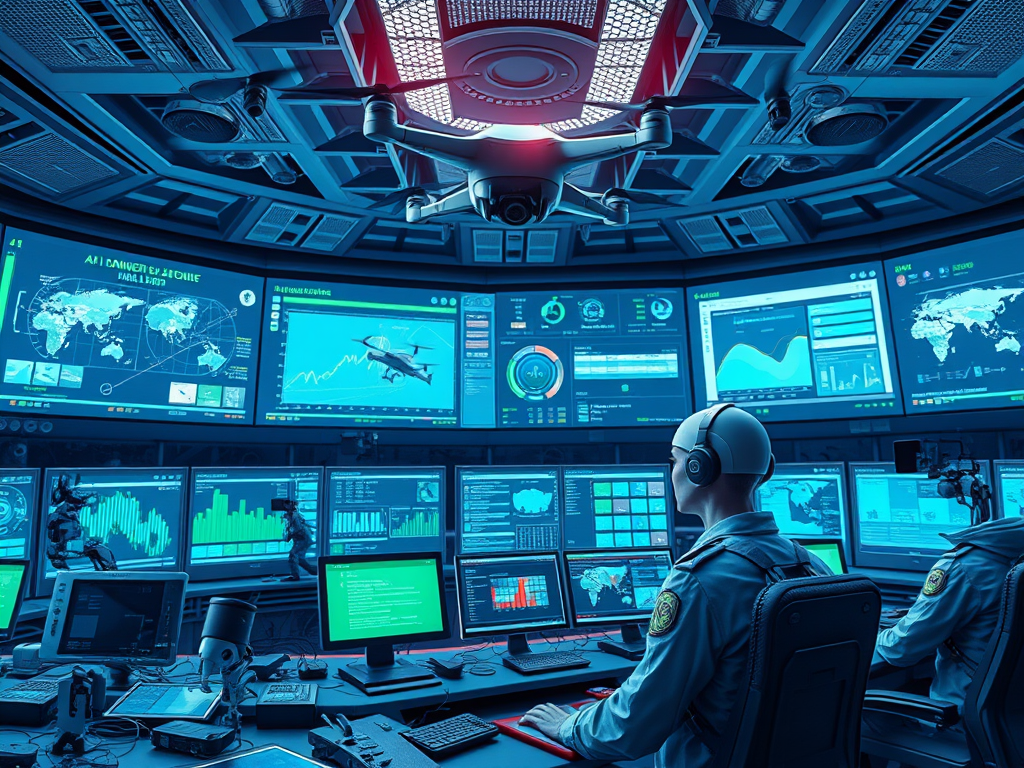
Artificial Intelligence (AI) has transcended its traditional domains, becoming an indispensable asset in national security and defence. As geopolitical tensions and technological advancements accelerate, AI-driven tools are reshaping how nations identify threats, conduct operations, and safeguard critical infrastructure. By 2025, AI technologies have matured to deliver unprecedented capabilities—from real-time intelligence processing to autonomous combat systems—enabling faster, more precise, and adaptive responses to evolving security challenges. This article explores the multifaceted role of AI in national defence, examining its applications, ethical considerations, global trends, and the future trajectory of human-machine collaboration in safeguarding nations.
AI in Intelligence Gathering and Threat Analysis
The proliferation of data sources—ranging from satellite imagery to social media feeds—has made traditional intelligence analysis increasingly complex. AI algorithms excel at processing vast datasets, identifying patterns, and uncovering hidden threats that might elude human analysts. By 2025, defence agencies utilize AI-powered analytic platforms to accelerate decision-making and enhance situational awareness in real time.
Machine learning models enable predictive analytics, allowing security agencies to anticipate potential conflict zones and hostile activities before they escalate. These predictive insights facilitate proactive measures, reducing the risk of surprise attacks or destabilizing events. Automated systems also streamline the workflow of intelligence officers by filtering relevant information and flagging anomalies quickly.
Furthermore, natural language processing (NLP) tools analyze communications and open-source intelligence to detect sentiment shifts and emerging threats globally. This capability is crucial for counterterrorism and cyber defence operations, providing comprehensive threat landscapes and enabling timely interventions.
Autonomous Systems and Robotics on the Modern Battlefield
Autonomous platforms, such as drones and unmanned ground vehicles, have become integral to defence strategies by 2025. These systems conduct reconnaissance, surveillance, and even offensive operations with minimal human intervention, reducing risks to personnel and expanding operational reach. Their ability to operate continuously and in hazardous environments makes them invaluable assets.
Robotic units also support logistics and battlefield casualty management, ensuring supply chains remain uninterrupted and wounded soldiers receive timely aid. AI-driven robots can navigate complex terrains and adapt to dynamic combat situations, enhancing mission success rates and force protection.
The integration of AI enables these autonomous systems to collaborate, share data, and execute coordinated maneuvers. This networked approach amplifies battlefield effectiveness, allowing forces to respond swiftly to emerging threats and maintain tactical superiority.
Enhancing Cybersecurity Through AI Innovations
The cyber domain has become a primary battleground for national security, with state and non-state actors launching sophisticated attacks on critical infrastructure. AI plays a pivotal role in defending digital assets by detecting anomalies, identifying intrusion patterns, and responding to threats in real time.
Advanced machine learning techniques enable cybersecurity systems to evolve alongside emerging threats, learning from past incidents to predict and thwart future attacks. Automated threat hunting reduces response times and mitigates damage, ensuring continuity of essential government and military operations.
Moreover, AI-powered security frameworks facilitate the protection of classified information and communication networks. By continuously monitoring network behavior, these systems act as digital sentinels, safeguarding sensitive data against espionage, sabotage, and cyber warfare.
AI-Driven Crisis Response and Disaster Management
National security encompasses more than traditional warfare—it also involves managing crises such as natural disasters, pandemics, and humanitarian emergencies. AI enhances these capabilities by providing accurate predictions of environmental hazards and optimizing response strategies.
Simulation models powered by AI help authorities plan evacuation routes, allocate resources efficiently, and coordinate multi-agency efforts during emergencies. Real-time data analytics enable dynamic adjustments to response plans, improving outcomes and saving lives.
By integrating AI into disaster management frameworks, defence forces can extend their roles beyond combat, supporting civilian populations and strengthening national resilience against a broad spectrum of threats.
Ethical Challenges and Governance of AI in Defence
The deployment of AI in national security raises significant ethical concerns that demand careful consideration. Autonomous weapon systems, for instance, challenge established norms regarding human control and accountability in lethal operations, prompting debates on the morality of machine-led decisions.
Surveillance technologies powered by AI risk infringing on civil liberties if not properly regulated, highlighting the need for transparency and oversight. Ensuring that AI applications respect privacy and legal standards is essential to maintaining public trust and legitimacy.
Developing robust ethical frameworks and international agreements is crucial to govern AI use in defence responsibly. These measures help prevent misuse, promote accountability, and balance technological advantages with humanitarian principles.
Global Trends and the AI Defence Landscape
Different nations approach AI integration in defence with varying priorities and capabilities. The United States and Israel lead in autonomous systems and advanced analytics, leveraging cutting-edge research and substantial investment to maintain strategic advantages.
China emphasizes AI-driven cybersecurity and expansive surveillance infrastructure, aiming to bolster national security and exert influence. Meanwhile, the European Union focuses on establishing regulatory standards and ethical guidelines to govern military AI applications responsibly.
This global AI arms race underscores the importance of international collaboration and policy harmonization. Establishing common norms and communication channels can mitigate risks of escalation and foster stability amid rapid technological change.
Human-Machine Collaboration: Balancing Automation and Oversight
Despite AI’s growing capabilities, human judgement remains indispensable in national security decision-making. Military leaders increasingly adopt a hybrid approach where AI handles data-intensive, repetitive tasks, freeing personnel to focus on strategic and ethical considerations.
Effective training programs equip defence personnel to interpret AI outputs, identify system limitations, and respond adaptively in complex scenarios. This synergy enhances operational effectiveness while maintaining accountability and control.
By leveraging AI’s speed and analytical power alongside human intuition and experience, armed forces can optimize performance and ensure that technology serves as an enabler rather than a replacement for critical human roles.
Looking Ahead: AI’s Impact on National Security Beyond 2025
As AI technologies continue to evolve, their integration with national defence networks will deepen, enabling more sophisticated threat prediction and proactive security measures. Enhanced interoperability between AI systems across allied nations will facilitate global intelligence sharing and coordinated responses.
Emerging AI capabilities, such as quantum computing and advanced neural networks, are expected to revolutionize encryption, data analysis, and autonomous operations, further transforming the defence landscape.
Countries that responsibly adopt and govern AI will gain substantial strategic advantages, while those that lag risk vulnerabilities. Preparing for these shifts requires sustained investment, ethical foresight, and international cooperation to harness AI’s full potential for global security.
Conclusion
By 2025, Artificial Intelligence has become a cornerstone of national security and defence, driving transformative changes across intelligence, autonomous systems, cybersecurity, and crisis management. While AI offers unprecedented advantages in speed, precision, and operational efficiency, it also presents complex ethical and governance challenges that require diligent oversight. The global landscape is marked by rapid AI adoption, diverse strategies, and intensifying competition, underscoring the importance of collaboration and regulation. Ultimately, the synergy between human expertise and AI innovation will define the future of defence, enabling nations to navigate emerging threats and safeguard stability in an increasingly complex world.