Politics
Yari’s 2027 Campaign Strategy: How to Evaluate Claims About Tinubu’s Record
Yari says the APC will emphasise Tinubu’s achievements in 2027. This analysis explains how voters can examine outcomes, baselines and campaign evidence.
TAMFIS NIG LTDRC 8067447CAC ACTIVEFinima, Bonny Island, Rivers State

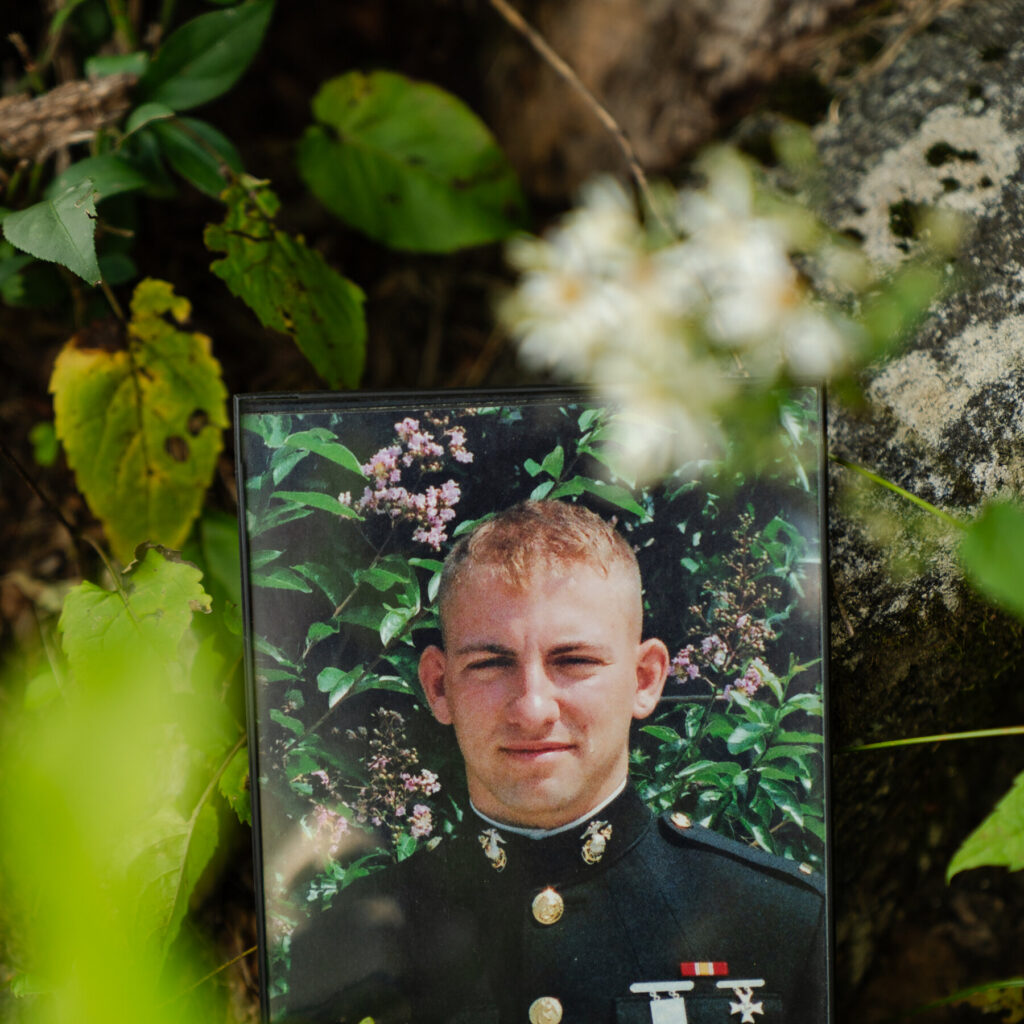
In the years following the September 11, 2001 attacks, countless young Americans answered the call to serve, driven by a sense of duty and patriotism. Among them was Travis Fuller, a Marine from a small hometown, whose life was tragically cut short during the Iraq War. As the nation marks a quarter-century since that pivotal moment, his family continues to wrestle with the profound question his mother posed: "What was it for?" This article explores the personal and collective reflections surrounding Travis Fuller's sacrifice, offering insight into the long-lasting impact of war on families and communities.
Travis Fuller grew up in a close-knit community where values like loyalty, courage, and service were deeply ingrained. Inspired by a desire to protect his country in the wake of the 9/11 attacks, he enlisted in the Marine Corps, embodying the spirit of commitment that swept through many American towns at the time.
Fuller’s decision was not made lightly; it reflected both personal conviction and the collective sentiment of a nation under threat. His hometown rallied around him, proud yet anxious, aware of the dangers that lay ahead. The Iraq War, launched in 2003, became the crucible in which many young service members like Fuller would face unimaginable challenges.
For many small towns across America, the departure of young men and women like Fuller was a profound moment of communal pride mingled with fear. Families watched their sons and daughters leave, often with little more than a hug and a promise to return. The war’s distant battlefields became a shared concern, binding communities in a collective hope for safety and peace.
Travis Fuller’s death in Iraq left a lasting void in his family and community. For his mother, the loss was not only deeply personal but also a catalyst for profound questioning. Over the years, she has grappled with the meaning of her son’s sacrifice amid the complex and often controversial legacy of the Iraq War.
The grief experienced by families of fallen soldiers is compounded by the ambiguity surrounding the war’s objectives and outcomes. Many, like Fuller’s mother, find themselves asking difficult questions about the justification and consequences of the conflict, seeking clarity in a narrative that remains contested.
The emotional weight of losing a loved one in war is intensified when the reasons for fighting become unclear or disputed. This uncertainty can hinder the healing process, leaving families in a liminal space between pride in their loved one’s service and sorrow over the perceived futility of the conflict. For Fuller's mother, this has meant a continuous search for meaning in a story that often feels incomplete.
A quarter-century after the events of 9/11, the Iraq War remains a subject of intense debate among historians, policymakers, and the public. The initial aims of dismantling weapons of mass destruction and combating terrorism evolved into a prolonged and complex engagement with far-reaching implications.
The war’s shifting objectives and the challenges of nation-building in Iraq have left a complicated legacy. For many veterans and families like the Fullers, this legacy is deeply personal. Their experiences highlight the human dimension of geopolitical decisions, reminding us that behind every statistic is a story of sacrifice and resilience.
The ongoing dialogue about the war’s purpose and impact underscores the importance of honoring those who served while critically examining the costs involved. As the nation continues to reflect, the stories of individuals like Travis Fuller serve as a bridge between historical analysis and lived experience.
In the years following Travis Fuller’s death, his family has sought ways to find meaning and healing. This journey is emblematic of many military families who navigate the intersection of pride, sorrow, and unresolved questions.
Community support, veteran organizations, and public remembrance play crucial roles in this process. Sharing stories, commemorating service, and fostering open conversations about the war’s complexities help families and communities process their experiences and honor their loved ones’ legacies.
Moreover, Fuller’s mother’s candid reflections invite broader society to engage with the difficult realities of war, encouraging empathy and a deeper understanding of the sacrifices made by service members and their families.
Healing is not a linear process, and for many families, it involves balancing the pain of loss with the pride in their loved one’s commitment. Memorial events, support groups, and educational initiatives contribute to this ongoing journey, helping transform grief into a source of strength and remembrance.
The story of Travis Fuller and his family offers important lessons about the human cost of conflict and the need for thoughtful policy decisions. It underscores the responsibility of leaders to clearly communicate the purposes and potential consequences of military engagements.
As the nation continues to grapple with the aftermath of the Iraq War, there is an opportunity to honor the sacrifices of individuals like Fuller by striving for greater transparency, accountability, and support for veterans and their families.
Recognizing the complexities of war and the enduring impact on those left behind can help foster a more informed and compassionate public discourse, ultimately contributing to more prudent approaches to future conflicts.
This reflection also calls for a renewed commitment to supporting military families, ensuring they receive the resources and recognition they deserve, not only during times of conflict but in the years that follow.
The memory of Travis Fuller and the reflections of his family serve as a poignant reminder of the profound human cost of war. As the nation marks 25 years since the events that shaped his path, it is essential to confront the difficult questions posed by his mother and countless others. Through remembrance, dialogue, and a commitment to learning from the past, society can better honor the sacrifices made and work toward a future where the costs of conflict are fully understood and carefully weighed.
Originally reported by nytimes.com. Adapted for our readers with AI assistance.
Keep reading
Politics
Yari says the APC will emphasise Tinubu’s achievements in 2027. This analysis explains how voters can examine outcomes, baselines and campaign evidence.
Lifestyle
Obi says his wife funds her own purchases. This analysis separates his explanation, unverified handbag prices and the evidence needed to assess public spending.
Politics
Politics tamfitronics Minnesota Gov. Tim Walz attends a rally in Asheville, North Carolina, on Sept. 17. Minnesota led the way on in...
TAMFIS NIG LTD
Electrical and instrumentation engineering, bid preparation and consulting, IT and software.