
Relationships & Wellness
Rebuilding Trust After Infidelity: Navigating the Path to Healing
Discovering infidelity often triggers a profound crisis of trust, leaving partners grappling with intens...
TAMFIS NIG LTDRC 8067447CAC ACTIVEFinima, Bonny Island, Rivers State

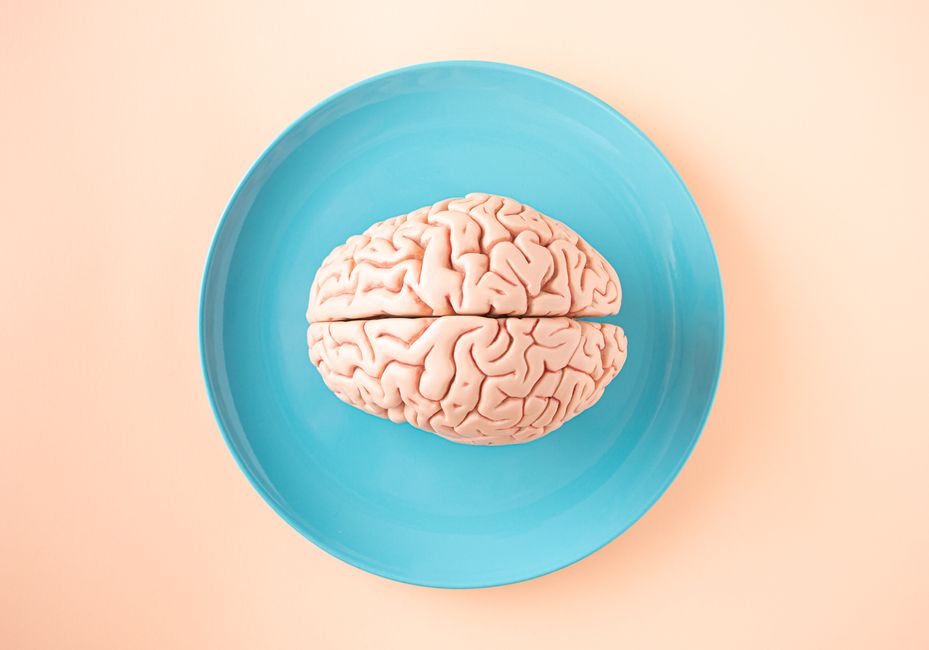
Love is often described as a mysterious and profound human experience, yet advances in neuroscience have begun to unravel the biological mechanisms behind it. When people fall in love, their brains undergo remarkable changes that influence emotions, attention, and behavior. By examining how specific brain regions and neurochemicals interact during different stages of romantic relationships, we can better understand why new love feels euphoric and obsessive, and why lasting partnerships depend on a different set of biological processes. This article explores the science behind falling in love, highlighting key brain areas and hormones involved, and what this means for managing expectations in relationships.
Neuroscientific studies using advanced brain imaging techniques have identified that early-stage romantic love activates the brain’s reward circuitry. Central to this system are regions such as the ventral tegmental area (VTA) and the caudate nucleus, which are rich in dopamine-producing neurons. Dopamine is a neurotransmitter strongly associated with pleasure, motivation, and reward-seeking behavior.
When someone experiences the excitement of new love, these dopamine pathways light up, similar to how the brain responds to rewarding stimuli like food, drugs, or winning a prize. This activation explains why new romantic love often brings feelings of euphoria, heightened energy, and intense focus on the beloved. It also accounts for the obsessive thoughts and preoccupation that many people report during the early phases of attraction.
These dopamine-rich regions are part of a broader reward system that evolved to reinforce behaviors essential for survival and reproduction. Falling in love taps into this system, making the experience intensely pleasurable and motivating individuals to pursue and maintain closeness with their partner. This neurological response helps explain why early romantic love can feel so consuming and why people often prioritize their new relationship above other interests or responsibilities.
Alongside dopamine’s surge, research has found that serotonin levels tend to decrease during the initial stages of romantic love. Serotonin is a neurotransmitter involved in mood regulation, impulse control, and overall emotional balance.
Lower serotonin levels have been linked to obsessive-compulsive disorder, which may help explain why new lovers often experience intrusive and persistent thoughts about their partner. This neurochemical change contributes to the intense fixation on the new relationship, making it difficult to think about anything else.
Understanding this biological underpinning can help individuals recognize that such obsessive thinking is a natural part of early romantic attachment rather than a sign of emotional instability. This insight provides reassurance that the intrusive thoughts and heightened focus are temporary and biologically driven aspects of falling in love. Recognizing these patterns can also assist people in managing their emotions and expectations during this intense phase.
As relationships mature, the intense dopamine-driven excitement of early love typically diminishes. Instead, other neurochemicals take precedence, particularly oxytocin and vasopressin. These hormones are closely associated with bonding, attachment, and long-term relationship stability.
Oxytocin, often called the “love hormone” or “cuddle chemical,” is released during physical touch, intimacy, and social bonding. It promotes feelings of trust, security, and emotional closeness. This hormone plays a crucial role in fostering the deep emotional connections that underpin lasting partnerships.
Vasopressin also plays a significant role in attachment behaviors. Studies in some animal species have shown that vasopressin promotes monogamous pair bonding, and it is believed to have similar effects in humans. Together, oxytocin and vasopressin help transform the passionate attraction of early romance into a deeper, calmer connection that supports long-term partnership and family formation.
This shift from dopamine-driven passion to oxytocin- and vasopressin-mediated attachment reflects the brain’s adaptation to sustaining relationships beyond the initial infatuation phase. It supports behaviors that encourage cooperation, caregiving, and mutual support, which are essential for enduring bonds. Understanding this transition can help partners appreciate the evolving nature of their relationship and the different ways love is expressed over time.
Recognizing the distinct neurochemical phases of love can help individuals set realistic expectations for their relationships. The intense euphoria and obsessive focus characteristic of new love are biologically driven but not sustainable indefinitely. Over time, relationships naturally evolve toward a more stable and secure attachment.
This understanding can reduce anxiety or disappointment when the initial excitement fades, highlighting that a decline in passion does not necessarily signal relationship failure. Instead, it often marks the transition to a mature bond based on trust, commitment, and mutual support.
Moreover, awareness of these biological processes can encourage healthier communication and patience between partners as they navigate the changing dynamics of their relationship. Knowing that different neurochemicals influence different stages of love can foster empathy and acceptance of each partner’s emotional experience.
Ultimately, understanding the neuroscience of love empowers people to appreciate the natural evolution of romantic relationships, helping them cultivate emotional resilience and build lasting connections. This knowledge can also inform therapeutic approaches and relationship counseling, offering a biological framework to address common challenges couples face.
The science of falling in love reveals that our brains undergo significant changes during different phases of romantic relationships. While the dopamine-driven excitement of new love creates intense emotions and focused attention, it is the later involvement of oxytocin and vasopressin that builds lasting bonds based on trust and security. Recognizing these biological shifts can help individuals appreciate the natural evolution of relationships, reducing unrealistic expectations and fostering emotional resilience. Ultimately, love is both a powerful neurochemical experience and a deeply meaningful human connection shaped by time and shared experience.
Originally reported by tamfitronics.com. Adapted for our readers with AI assistance.
Keep reading
Relationships & Wellness
Discovering infidelity often triggers a profound crisis of trust, leaving partners grappling with intens...
Relationships & Wellness
Addiction is often associated with substance abuse, but a growing body of research highlights a category...
Relationships & Wellness
Long-term relationships thrive or falter largely based on how partners communicate with each other. Whil...
TAMFIS NIG LTD
Electrical and instrumentation engineering, bid preparation and consulting, IT and software.