Rising Mail Ballot Delays Threaten Midterm Election Integrity: What Voters Need to Know
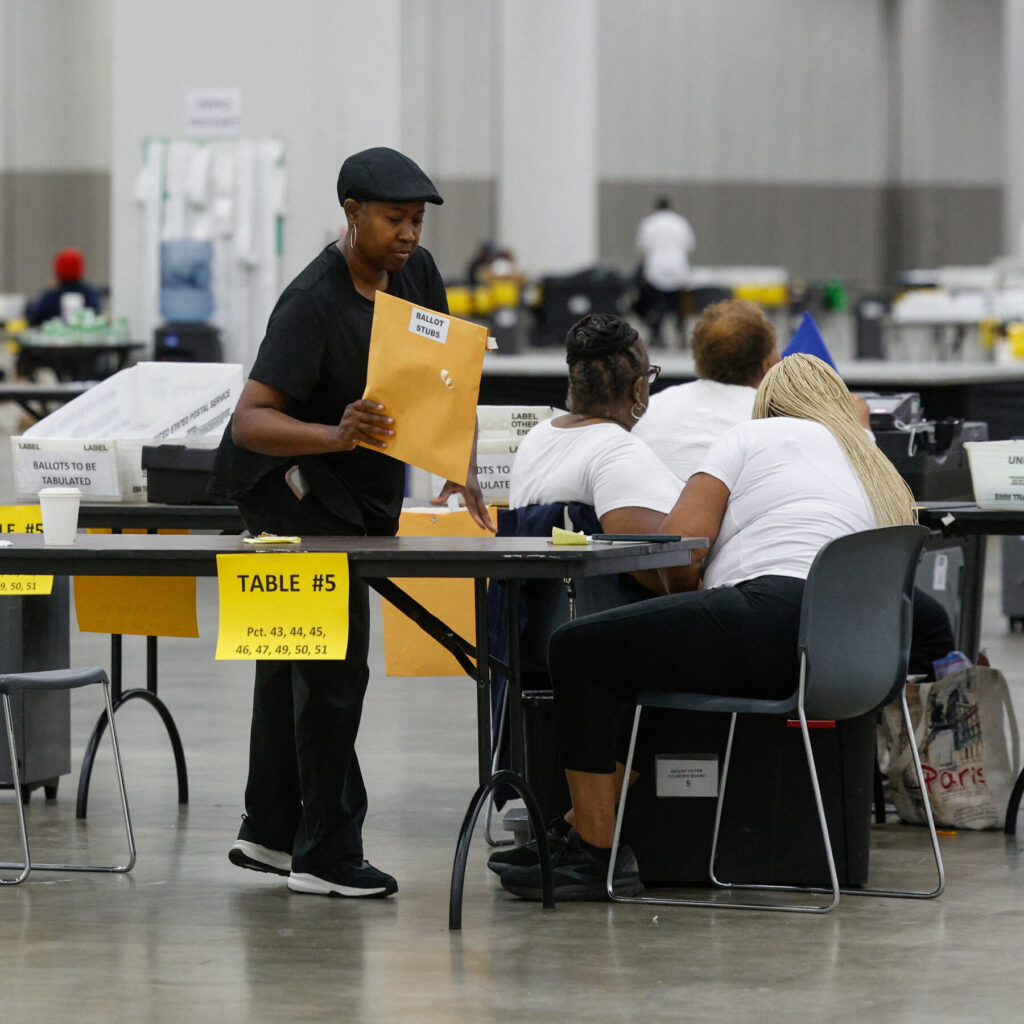
The upcoming United States midterm elections are facing a logistics problem with democratic consequences: a growing number of mail-in ballots are arriving late, and in many jurisdictions a late ballot is rejected. The issue has placed the U.S. Postal Service at the centre of a national debate about election integrity, voter access and the reliability of public infrastructure. State officials across the country are warning that the Postal Service’s ability to handle the surge in mail ballots is uncertain, and they are urging voters to take proactive steps to ensure their ballots are counted. Because rules and deadlines differ from state to state, a voter’s chance of success can depend heavily on local knowledge and timing. This article explores the factors behind mail ballot delays, the implications for voters and election integrity, and practical advice on how to navigate this evolving landscape.
Why Mail Ballots Are Piling Up
Mail-in voting has become increasingly popular in the United States, especially after the COVID-19 pandemic encouraged many voters to avoid in-person polling stations. That shift has pushed a far larger volume of time-sensitive election mail through a postal network already under strain.
The U.S. Postal Service is grappling with operational challenges that have slowed deliveries nationwide. Staffing shortages, logistical bottlenecks and changes in mail-sorting procedures have all played a part, while budget constraints and policy changes have limited the agency’s ability to process peak volumes efficiently. Because election mail must meet hard deadlines, even routine slowdowns can disqualify ballots that arrive after state cut-off times. States that rely heavily on mail-in voting are especially exposed.
Unlike ordinary mail, a ballot that arrives a day late is not merely delayed; it may be permanently excluded from the count.
State Officials Push Early Posting and Drop Boxes
Election officials across the country have voiced concern that the Postal Service may not deliver ballots on time. They stress that late-arriving ballots undermine the democratic process by potentially disenfranchising voters who followed every required procedure but whose votes are discarded because of circumstances beyond their control.
In response, many states are urging voters to mail ballots well in advance of election day. Some have set earlier deadlines for receiving ballots to accommodate postal delays, while others are expanding networks of secure drop boxes as an alternative submission method. These drop boxes are typically monitored and emptied directly by election staff, giving voters a more reliable hand-off point.
The emphasis on voter education has grown because deadlines and rules vary widely between states. Some states accept a ballot postmarked by election day if it arrives within a defined window; others require physical receipt by election day. Officials say clear communication is especially important because voters often assume a postmark date is enough, when many states require physical receipt. That patchwork makes local knowledge essential.
Practical Steps for Voters to Ensure Their Ballots Count
Given the current delivery challenges, voters should consider several strategies to safeguard their votes. First, mail the ballot as early as possible. Waiting until the last minute significantly increases the risk that a delay will cause disqualification.
Second, use designated ballot drop boxes where they are available. These boxes are secure, monitored and ensure that ballots are collected directly by election officials, bypassing the postal system entirely.
Third, learn your state’s specific deadlines and rules, because these vary widely. Some states allow ballots postmarked by election day to be counted if received within a certain timeframe, while others require ballots to be physically received by election day.
Finally, track and confirm delivery. Many states and the USPS offer ballot-tracking tools that let voters monitor the progress of their ballot, provide peace of mind and allow corrective action—such as requesting a replacement ballot—if a delay appears likely.
Implications for Election Integrity and Public Confidence
The rise in late-arriving mail ballots and their rejection poses significant risks to the integrity of the midterm elections. When legitimate votes are discarded because of delivery problems, the fairness and inclusiveness of the electoral process are compromised.
These challenges can also erode public trust in the election system. Voters who experience difficulties, or who hear about widespread ballot rejections, may become sceptical about the legitimacy of election outcomes, potentially fuelling political polarisation and undermining democratic norms.
Addressing these concerns requires coordinated efforts among postal authorities, election officials and policymakers to enhance mail processing capabilities, streamline ballot handling and communicate clearly with voters. Transparency about the challenges and proactive solutions can help maintain confidence in the electoral process.
Looking Ahead: Preparing for Future Elections
The issues seen during this election cycle highlight the need for long-term improvements in mail-voting infrastructure. Investments in postal capacity, modernisation of mail-sorting technology and expanded use of secure drop-off locations are potential avenues to reduce delays.
Standardising mail ballot deadlines and procedures across states could simplify the voting process and reduce confusion. Enhanced voter education campaigns are essential to ensure that all voters understand how to submit their ballots correctly and on time.
Ultimately, safeguarding the right to vote in an era of rising mail-in ballots requires a multifaceted approach that balances convenience, security and reliability. At the same time, any changes must preserve the accessibility that has encouraged so many voters to adopt mail ballots.
What this means
As the midterm elections draw near, the surge in late-arriving mail ballots presents a pressing challenge to the democratic process. While the U.S. Postal Service faces operational hurdles, voters and officials can take proactive steps to minimise the impact of these delays. Mailing early, using secure drop boxes and knowing state-specific rules are essential strategies to ensure every vote is counted. Voters should treat the rest of the election season like any other critical deadline: allow extra time, keep proof of submission and follow up if a ballot is not shown as received. In the longer term, investment in postal capacity, clearer deadlines and stronger voter education will be critical to maintaining election integrity and public trust.
Originally reported by nytimes.com. Adapted for our readers with AI assistance.
Obi says his wife funds her own purchases. This analysis separates his explanation, unverified handbag prices and the evidence needed to assess public spending.
Yari says the APC will emphasise Tinubu’s achievements in 2027. This analysis explains how voters can examine outcomes, baselines and campaign evidence.