Politics
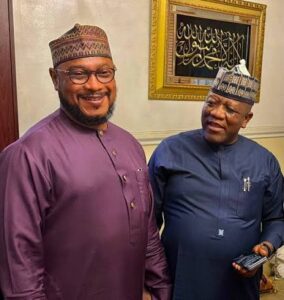
Yari’s 2027 Campaign Strategy: How to Evaluate Claims About Tinubu’s Record
Yari says the APC will emphasise Tinubu’s achievements in 2027. This analysis explains how voters can examine outcomes, baselines and campaign evidence.
TAMFIS NIG LTDRC 8067447CAC ACTIVEFinima, Bonny Island, Rivers State


In a significant legal ruling in South Korea, Han Hak-ja, the 83-year-old leader of the Unification Church, was sentenced to two years in prison for bribery and political funding offenses. The case centers on gifts—luxury Chanel bags and a diamond necklace—given to Kim Keon Hee, the wife of former South Korean president Yoon Suk Yeol. This verdict not only marks a rare judicial confirmation of the church's attempts to sway political figures but also sheds light on the controversial role of religious organizations in East Asian politics. This article explores the details of the case, the history and influence of the Unification Church, and the broader implications for political transparency and religious involvement in governance.
Han Hak-ja was convicted for providing expensive gifts valued at approximately 80 million won (around $57,900) to Kim Keon Hee between April and July 2022. The gifts included two Chanel bags and a diamond necklace. Prosecutors argued these were given in exchange for political and business favors, marking the first time South Korean authorities have officially confirmed the Unification Church's efforts to buy political influence.
Kim Keon Hee, South Korea's former first lady, had previously admitted to receiving the Chanel bags but claimed she returned them unused. She was sentenced earlier in the year to 20 months in prison for accepting bribes from the church. During her questioning, she publicly apologized, expressing remorse for causing public concern.
The investigation revealed striking evidence, including photographs of cash worth $19 million found in Han Hak-ja’s personal safe. Despite repeated denials by Han, calling the allegations false, the court found sufficient evidence to convict her.
The Unification Church, officially known as The Family Federation for World Peace and Unification, was founded in South Korea in the 1950s by Sun Myung Moon, who declared himself the messiah. The church gained international attention for its mass wedding ceremonies, where thousands of couples were married simultaneously under the leadership of Moon and later Han Hak-ja.
Critics have long described the group as 'cult-like,' pointing to allegations of coercive fundraising practices. Members, often referred to derogatorily as 'Moonies,' have reportedly been pressured to donate large sums of money. The term 'Moonies' is considered offensive by many church adherents.
The church's influence extends beyond South Korea, with significant presence and political ties in Japan and the United States. It has cultivated relationships with prominent politicians, including former US President Donald Trump, Vice-President Mike Pence, and Japan’s late Prime Minister Shinzo Abe, who sent congratulatory messages to the church’s events.
The Unification Church’s political connections have drawn scrutiny, particularly after the assassination of Shinzo Abe in Japan. The alleged assassin cited grievances against the church, blaming it for his family’s financial ruin and criticizing Abe for his association with the group.
In South Korea, the church’s links to political figures have now been legally scrutinized, with the bribery case serving as a rare public example of these ties leading to criminal charges. The church’s influence reportedly extends to various levels of government, including municipal leaders in Seoul and Busan.
Internationally, the church has faced legal challenges and bans in some countries. Singapore has banned the organization, while Japan has ordered its dissolution following public backlash and investigations into its activities. These actions reflect growing concerns about the church’s methods and political entanglements.
The sentencing of Han Hak-ja is a landmark moment for South Korea’s judicial system in addressing corruption linked to religious organizations. It highlights the challenges in disentangling political influence from religious groups that operate transnationally and wield significant social capital.
This case may set a precedent for increased scrutiny of similar organizations and their interactions with political figures. It also raises questions about the transparency of political funding and the ethical boundaries of gift-giving in political contexts.
From a social perspective, the verdict could influence public perception of the Unification Church, potentially diminishing its legitimacy and support. It also underscores the importance of vigilance against covert attempts to manipulate political processes through financial incentives.
The intersection of religion and politics in East Asia remains complex and often contentious. The Unification Church case exemplifies the delicate balance governments must maintain between respecting religious freedom and preventing undue political influence.
As countries in the region continue to grapple with the role of religious organizations in public life, legal frameworks may evolve to better regulate political funding and transparency. Public awareness and media scrutiny are likely to play crucial roles in holding both religious groups and politicians accountable.
Ultimately, this case invites a broader conversation about the ethical responsibilities of religious leaders and political figures alike, and the need for clear boundaries to protect democratic institutions from corruption.
The conviction of Han Hak-ja marks a pivotal moment in South Korea’s efforts to confront corruption involving religious organizations and political figures. Beyond the immediate legal consequences, this case exposes the intricate and often opaque relationships between faith-based groups and political power in East Asia. As governments and societies continue to navigate these challenges, the need for transparency, accountability, and clear legal boundaries becomes ever more critical. The Unification Church’s case serves as a cautionary tale and a call to vigilance against the misuse of religious influence in politics, ensuring that democratic processes remain fair and untainted.
Originally reported by bbc.co.uk. Adapted for our readers with AI assistance.
Keep reading
Politics
Yari says the APC will emphasise Tinubu’s achievements in 2027. This analysis explains how voters can examine outcomes, baselines and campaign evidence.
Lifestyle
Obi says his wife funds her own purchases. This analysis separates his explanation, unverified handbag prices and the evidence needed to assess public spending.
Politics
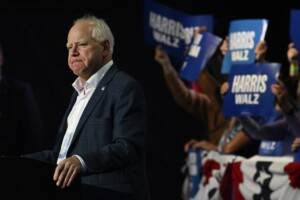
Politics tamfitronics Minnesota Gov. Tim Walz attends a rally in Asheville, North Carolina, on Sept. 17. Minnesota led the way on in...
TAMFIS NIG LTD
Electrical and instrumentation engineering, bid preparation and consulting, IT and software.