
Business News
NDLEA Intensifies Operations Against Narcotic Trade and Illegal Trafficking
The National Drug Law Enforcement Agency has arrested multiple suspects and seized significant drug consignments in recent operations across Nigeria.
TAMFIS NIG LTDRC 8067447CAC ACTIVEFinima, Bonny Island, Rivers State

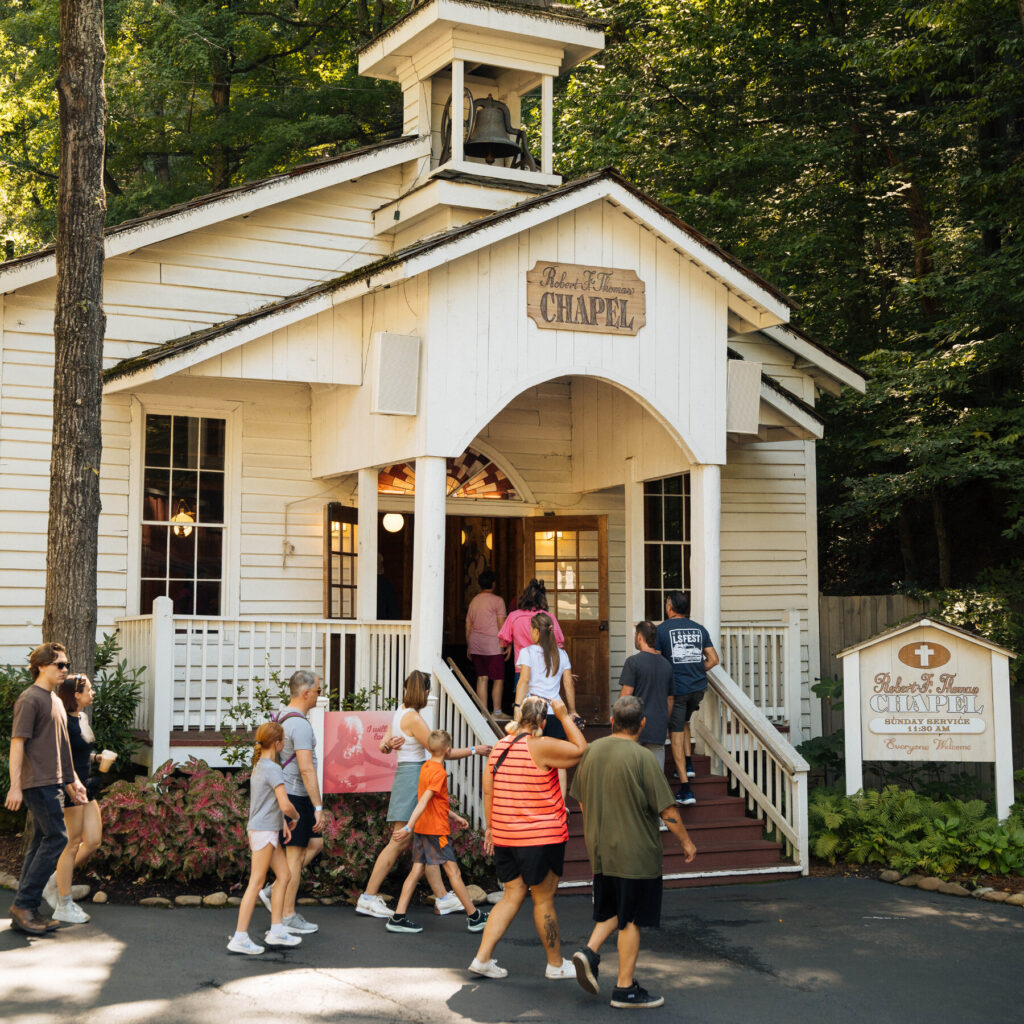
Dolly Parton, the iconic singer and cultural figure, is often celebrated not only for her musical talents but also for the way she represents a particular style of faith deeply embedded in Southern culture. For many Americans, Parton’s image evokes an idealized form of Christianity—one centered in small, rural congregations where community bonds and shared values take precedence over doctrinal disputes or political divisions. This article examines how Parton’s faith reflects a broader Southern religious tradition that continues to resonate with many Americans today.
Dolly Parton’s religious background is firmly grounded in the small churches typical of rural Southern life. These congregations often serve as more than places of worship; they act as vital hubs of social connection, mutual support, and cultural continuity. For Parton and many like her, faith is experienced through the warmth of community and the continuity of tradition rather than through strict theological debate or ideological alignment.
This style of faith emphasizes personal relationships and shared experiences. The church is a gathering place where members celebrate milestones, support each other through hardships, and reinforce a collective identity. Parton’s public persona, characterized by kindness, humor, and humility, mirrors these communal values, making her a relatable figure for many who share this religious outlook. Her embodiment of these traits reflects the lived reality of many small rural congregations, where faith is inseparable from everyday life and neighborly care.
In an era when religion is often entangled with political and ideological battles, the Southern church experience represented by Parton offers an alternative narrative. Rather than focusing on doctrinal purity or partisan allegiance, this model prioritizes faith as a lived experience that fosters belonging and resilience. This approach resonates with many Americans who seek a spiritual life less defined by conflict and more by connection.
Parton’s approach to faith has often been described as inclusive and nonjudgmental, reflecting a broader trend within many Southern congregations that value hospitality and acceptance. This perspective challenges stereotypes that depict Southern Christianity as monolithic or rigid, highlighting instead its diversity and adaptability. Many Southern churches emphasize storytelling, music, and shared rituals, which align closely with Parton’s artistic identity.
Her songs often draw on themes of hope, redemption, and perseverance, echoing the spiritual messages conveyed in her community’s worship practices. These artistic expressions serve as both personal testimony and communal reinforcement of faith, illustrating how cultural and religious life intertwine in the South.
Dolly Parton’s faith has had a significant cultural impact, shaping public perceptions of Southern Christianity. Her widespread popularity brings visibility to a form of religious life that is often overshadowed by more vocal or politicized expressions of faith. Through her music, philanthropy, and public persona, Parton highlights a faith tradition that is deeply personal yet communally oriented.
By embodying a faith that balances tradition with modernity, Parton offers a model for how spirituality can coexist with cultural change. Her ability to maintain authenticity while engaging with a global audience speaks to the enduring relevance of the values she represents. This balance appeals to many who seek spiritual meaning without sacrificing openness or inclusivity.
Additionally, Parton’s philanthropic efforts, many of which are motivated by her faith, reinforce the practical dimensions of this religious tradition. Her work in education, literacy, and poverty alleviation demonstrates how faith can inspire tangible acts of compassion and social responsibility. These initiatives underscore the connection between belief and action that characterizes much of Southern church life.
While Dolly Parton’s representation of Southern church faith is largely positive, it is important to recognize the complexities and challenges within this tradition. Southern Christianity has historically grappled with difficult issues such as racial segregation, gender roles, and political conservatism, which continue to provoke debate and reflection within and beyond these communities.
Critics argue that the idealized vision of small rural congregations can sometimes obscure these difficult realities. There is a risk of romanticizing a faith experience that, for some, may be exclusionary or resistant to change. These tensions highlight the need for ongoing dialogue about how faith traditions evolve in response to social progress.
Nevertheless, Parton’s example also highlights the potential for transformation within this tradition. Her inclusive approach and public advocacy suggest pathways toward a more open and compassionate expression of Southern Christianity. By embracing diversity and extending hospitality, she models how faith communities can honor their heritage while adapting to contemporary values.
In a fragmented cultural landscape marked by division and polarization, Dolly Parton’s faith resonates because it offers a sense of stability and belonging. The emphasis on community, kindness, and resilience appeals to many who seek connection beyond ideological divides. Her story, rooted in humble beginnings and sustained by faith, embodies a narrative of hope and perseverance that transcends regional boundaries.
This universality contributes to her broad appeal and the enduring relevance of the Southern church model she represents. Furthermore, Parton’s ability to navigate public life with grace and humor while maintaining her spiritual identity provides a compelling example for those balancing tradition with contemporary challenges.
Her faith story reminds us that spirituality can be a source of joy, strength, and unity, even amid societal upheaval. In this way, Parton’s public persona serves as a bridge between diverse communities, illustrating how faith rooted in love and acceptance continues to inspire and uplift.
Dolly Parton’s embodiment of Southern church faith offers a nuanced perspective on religion in America. Her image and values highlight a tradition that prioritizes community, kindness, and lived experience over ideological rigidity. As society continues to grapple with divisions around faith and identity, the example set by Parton and the small rural congregations she represents remains a powerful reminder of the enduring human need for connection and compassion. While challenges persist within Southern Christianity, Parton’s inclusive and authentic approach suggests a path forward—one that honors tradition while embracing change and diversity.
Originally reported by nytimes.com. Adapted for our readers with AI assistance.
Keep reading
Business News
The National Drug Law Enforcement Agency has arrested multiple suspects and seized significant drug consignments in recent operations across Nigeria.
Business
Nigerian shoppers are increasingly turning to AI assistants like ChatGPT, Claude and Gemini for product ...
Business
The global developer workforce has undergone a transformative expansion over the past five years, fundam...
TAMFIS NIG LTD
Electrical and instrumentation engineering, bid preparation and consulting, IT and software.