Business News
NDLEA Intensifies Operations Against Narcotic Trade and Illegal Trafficking
The National Drug Law Enforcement Agency has arrested multiple suspects and seized significant drug consignments in recent operations across Nigeria.
TAMFIS NIG LTDRC 8067447CAC ACTIVEFinima, Bonny Island, Rivers State

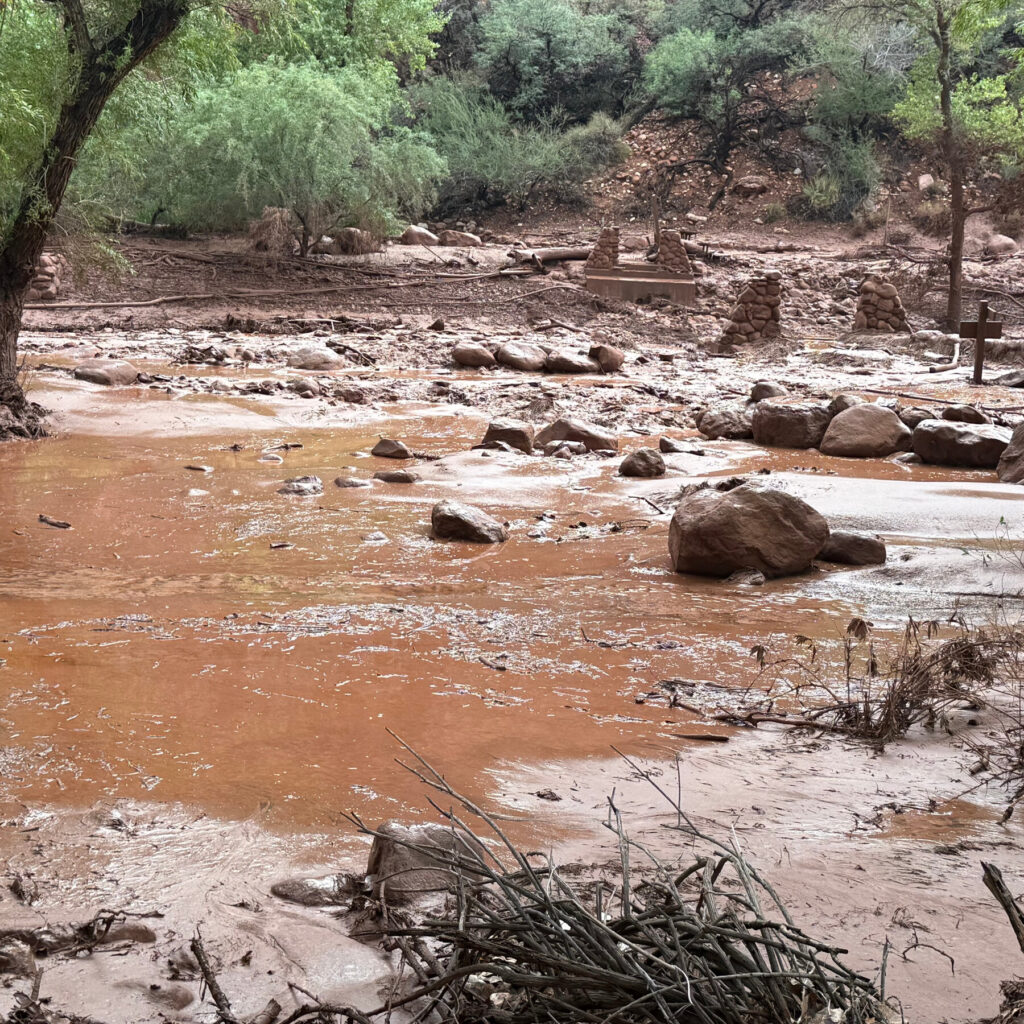
The Grand Canyon, one of America’s most iconic natural landmarks, experienced a severe flash flood that has disrupted hiking routes and endangered visitors. On Saturday, intense flooding in Bright Angel Creek resulted in the destruction of nearly all footbridges, cutting off access and forcing the evacuation of dozens of hikers. Authorities are currently searching for 15 individuals reported missing following the incident. This article provides a detailed overview of the event, the response efforts, and important safety considerations for those exploring wilderness areas prone to flash floods.
On a summer day marked by sudden heavy rainfall, the Grand Canyon’s Bright Angel Creek experienced a flash flood that dramatically altered the landscape. Flash floods are rapid surges of water caused by intense rain, often in mountainous or canyon regions where water channels can quickly overflow. In this case, the floodwaters swept away nearly all footbridges that hikers rely on to cross the creek safely.
The destruction of these bridges effectively severed access routes, leaving many hikers stranded or forced to navigate dangerous terrain. The National Park Service (NPS) promptly responded by initiating evacuation procedures for those affected. At least 62 people were successfully evacuated, yet concerns remain for approximately 15 individuals who have not been accounted for since the flood.
The loss of these critical crossing points not only disrupted hiking plans but also posed immediate safety risks. Without the footbridges, hikers faced treacherous attempts to cross swollen waters or had to backtrack through difficult terrain, increasing the potential for injury or further emergencies.
Rescue efforts in the Grand Canyon are inherently complex due to the rugged and remote nature of the environment. The canyon’s steep cliffs, narrow trails, and unpredictable weather conditions create significant obstacles for search and rescue teams. The sudden loss of footbridges further complicates access, requiring specialized equipment and careful planning to reach stranded hikers safely.
The NPS, along with local emergency responders, has mobilized resources including helicopters, ground search teams, and medical personnel to conduct thorough searches. However, the risk to both rescuers and those missing remains high, especially as flash flood conditions can persist or reoccur during stormy weather. Communication is also a challenge, as cell service is limited in many parts of the canyon.
Additionally, the vastness of the canyon and the difficulty in pinpointing exact locations of stranded individuals slow down rescue efforts. Teams must often rely on aerial reconnaissance and coordinate multiple search groups to cover extensive areas, all while ensuring their own safety amid unstable terrain and potential further flooding.
Flash floods in canyon areas like the Grand Canyon are particularly dangerous because they can occur with little warning and escalate quickly. The narrow confines of canyons can funnel water into powerful torrents, making escape difficult. Hikers often underestimate these risks, especially during monsoon seasons when thunderstorms are common.
It is crucial for visitors to monitor weather forecasts, heed park warnings, and be prepared to change plans if conditions become unsafe. The destruction of infrastructure such as footbridges underscores the importance of having contingency plans and being equipped with knowledge about safe evacuation routes and emergency procedures.
Moreover, the incident highlights the need for park authorities to continually assess and maintain trail infrastructure to withstand extreme weather events, as well as to improve communication systems for rapid alerts. Understanding the hydrology of the area and potential flood zones can aid in better planning and risk mitigation.
Hiking in the Grand Canyon and similar environments requires careful preparation. Visitors should always check weather conditions before setting out and remain alert to signs of changing weather, such as darkening skies or sudden increases in water flow.
Carrying essential safety gear, including waterproof clothing, navigation tools, and emergency supplies, is vital. Hikers should inform park rangers or trusted contacts about their itinerary and expected return times. Avoiding hiking alone and staying on marked trails can also reduce risks.
In the event of a flash flood warning, moving to higher ground immediately is critical. Understanding the terrain and knowing the locations of safe zones can save lives. Additionally, hikers should be aware that bridges and trails may be compromised after heavy rains, and should exercise extreme caution.
Preparation also involves being mentally ready to alter or abandon plans if conditions deteriorate. Awareness and respect for nature’s unpredictability can make the difference between a safe adventure and a life-threatening situation.
This flash flood incident at the Grand Canyon serves as a stark reminder of the vulnerabilities in popular natural recreation areas. As climate change contributes to more extreme and unpredictable weather patterns, the frequency and severity of flash floods and other natural disasters may increase.
Park management agencies face the challenge of balancing public access with safety and environmental preservation. Investments in infrastructure resilience, emergency response capabilities, and visitor education are essential to mitigate risks.
Furthermore, this event may prompt discussions about the adequacy of current trail designs and emergency protocols in the face of evolving environmental threats. Collaborative efforts between government bodies, scientists, and outdoor communities will be key to enhancing safety and sustainability.
Adapting to these challenges requires not only physical improvements but also fostering a culture of preparedness among visitors and staff. Enhanced monitoring technologies, real-time alert systems, and comprehensive training for responders can improve outcomes in future emergencies.
The recent flash flood in the Grand Canyon underscores the inherent risks of exploring remote natural landscapes, particularly in areas prone to sudden weather changes. While the evacuation of dozens of hikers demonstrates effective emergency response, the missing individuals highlight the ongoing dangers. This event serves as a critical reminder for visitors to prioritize safety, stay informed, and respect environmental conditions. For park authorities, it signals the need to strengthen infrastructure, improve communication, and adapt to the realities of a changing climate to protect both visitors and the natural environment.
Originally reported by nytimes.com. Adapted for our readers with AI assistance.
Keep reading
Business News
The National Drug Law Enforcement Agency has arrested multiple suspects and seized significant drug consignments in recent operations across Nigeria.
Business
Nigerian shoppers are increasingly turning to AI assistants like ChatGPT, Claude and Gemini for product ...
Business
The global developer workforce has undergone a transformative expansion over the past five years, fundam...
TAMFIS NIG LTD
Electrical and instrumentation engineering, bid preparation and consulting, IT and software.