Business News
NDLEA Intensifies Operations Against Narcotic Trade and Illegal Trafficking
The National Drug Law Enforcement Agency has arrested multiple suspects and seized significant drug consignments in recent operations across Nigeria.
TAMFIS NIG LTDRC 8067447CAC ACTIVEFinima, Bonny Island, Rivers State

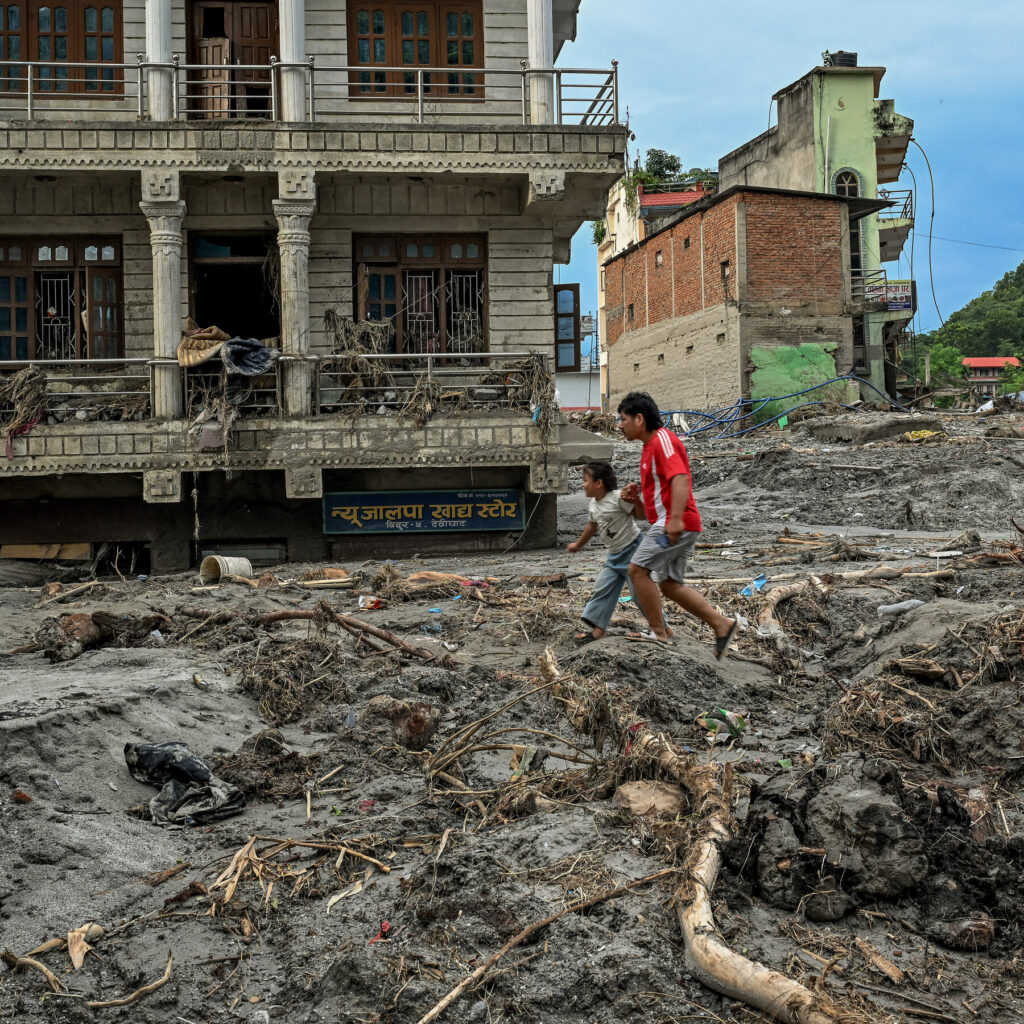
In late August 2026, a sudden and severe flash flood swept through regions of Nepal and Tibet, causing widespread destruction and loss of life. Unlike typical floods caused by heavy rainfall, this disaster was primarily triggered by a massive landslide combined with a glacial collapse. The event has left more than 3,000 people missing and has raised urgent questions about the vulnerability of mountainous regions to such natural hazards. This article examines the factors leading to the flood, the scale of its impact, and the challenges faced in rescue and recovery operations.
Unlike many flash floods that result from intense rainfall, the recent disaster in Nepal and Tibet was primarily caused by a massive landslide and the collapse of a glacier. This rare combination created a sudden and powerful surge of water, ice, and debris that overwhelmed river systems and devastated downstream communities.
Experts suggest that the destabilization of the glacier was influenced by a combination of climate change and geological factors. Rising temperatures have accelerated glacial melting, weakening the structural integrity of ice masses in high-altitude regions. Simultaneously, geological conditions such as seismic activity and the natural erosion of mountainous terrain may have triggered the landslide, releasing a vast volume of earth and ice into the river valleys below.
This event highlights the complex interplay between geological processes and climate impacts in mountainous environments. It challenges traditional flood risk assessments by demonstrating that catastrophic flooding can occur even without heavy rainfall, emphasizing the need to consider multiple hazard factors in disaster preparedness planning.
The immediate aftermath of the flood has been devastating for local populations. Reports indicate that over 3,000 people remain missing, with many feared dead. Entire villages and settlements along the riverbanks were either swept away by the surge or buried under thick layers of mud and debris, leaving families devastated and communities shattered.
Rescue teams face significant challenges in reaching affected areas due to damaged infrastructure and ongoing risks of further landslides. The rugged terrain and remote locations complicate search and relief efforts, delaying aid to survivors and hampering recovery operations. In some areas, access is only possible by foot or helicopter, limiting the speed and scale of response.
The scale of missing persons underscores the urgent need for coordinated disaster response and improved early warning systems in these vulnerable regions. It also highlights the importance of community preparedness and resilience, as many affected populations live in isolated mountain villages with limited communication and resources.
The flood has caused extensive environmental damage, including the destruction of forests, agricultural land, and wildlife habitats. The sudden influx of sediment and debris into rivers has altered water quality and flow patterns, potentially affecting aquatic ecosystems and communities downstream for months or even years.
Infrastructure such as roads, bridges, and communication networks has been severely damaged or destroyed. This disruption not only hampers immediate rescue operations but also poses long-term challenges for economic recovery and connectivity in the region. Many communities rely on limited road access, and the loss of bridges isolates villages, complicating the delivery of supplies and medical aid.
The event serves as a stark reminder of the fragility of mountain ecosystems and the cascading effects that natural disasters can have on both human and environmental systems. Recovery will require significant investment in rebuilding infrastructure and restoring natural habitats to support sustainable livelihoods.
Local authorities, supported by national and international agencies, have mobilized rescue and relief operations. Efforts include search and rescue missions, provision of emergency supplies such as food, water, and medical aid, and the establishment of temporary shelters for displaced populations.
However, the scale and complexity of the disaster present significant hurdles. Limited accessibility due to damaged roads and bridges, ongoing risks of additional landslides, and harsh weather conditions impede the speed and effectiveness of response. Helicopter missions are constrained by unpredictable mountain weather, and ground teams face dangerous terrain.
There is also a pressing need for enhanced disaster preparedness, including improved monitoring of glaciers and landslide-prone areas, early warning systems, and community education to reduce vulnerability. Strengthening local capacity to respond quickly and effectively could save lives in future events.
This disaster underscores the importance of understanding and preparing for the unique hazards faced by mountainous regions, especially as climate change accelerates glacial melt and destabilizes terrain. Traditional flood models based solely on rainfall data may be insufficient in these contexts.
Investing in scientific research to monitor glaciers, geological activity, and potential landslide zones can provide critical data to predict and mitigate similar events in the future. Remote sensing technologies and community-based monitoring can enhance early detection.
Strengthening infrastructure resilience and community preparedness is essential to reduce the human and economic toll of such disasters. Building safer roads, bridges, and communication networks, along with educating local populations on emergency response, can improve outcomes.
International cooperation and knowledge sharing can enhance the capacity of vulnerable countries like Nepal and Tibet to respond effectively to natural hazards. Collaborative efforts in research, funding, and disaster management training can build long-term resilience.
The catastrophic flash floods in Nepal and Tibet reveal the complex and evolving nature of natural disasters in mountainous regions. Triggered by a rare combination of a landslide and glacial collapse, this event has caused immense human suffering and environmental damage. Addressing the challenges posed by such disasters requires a multifaceted approach that includes scientific monitoring, infrastructure resilience, and community preparedness. As climate change continues to impact high-altitude environments, proactive measures will be essential to safeguard vulnerable populations and ecosystems from future catastrophes.
Originally reported by nytimes.com. Adapted for our readers with AI assistance.
Keep reading
Business News
The National Drug Law Enforcement Agency has arrested multiple suspects and seized significant drug consignments in recent operations across Nigeria.
Business
Nigerian shoppers are increasingly turning to AI assistants like ChatGPT, Claude and Gemini for product ...
Business
The global developer workforce has undergone a transformative expansion over the past five years, fundam...
TAMFIS NIG LTD
Electrical and instrumentation engineering, bid preparation and consulting, IT and software.