Politics
Yari’s 2027 Campaign Strategy: How to Evaluate Claims About Tinubu’s Record
Yari says the APC will emphasise Tinubu’s achievements in 2027. This analysis explains how voters can examine outcomes, baselines and campaign evidence.
TAMFIS NIG LTDRC 8067447CAC ACTIVEFinima, Bonny Island, Rivers State

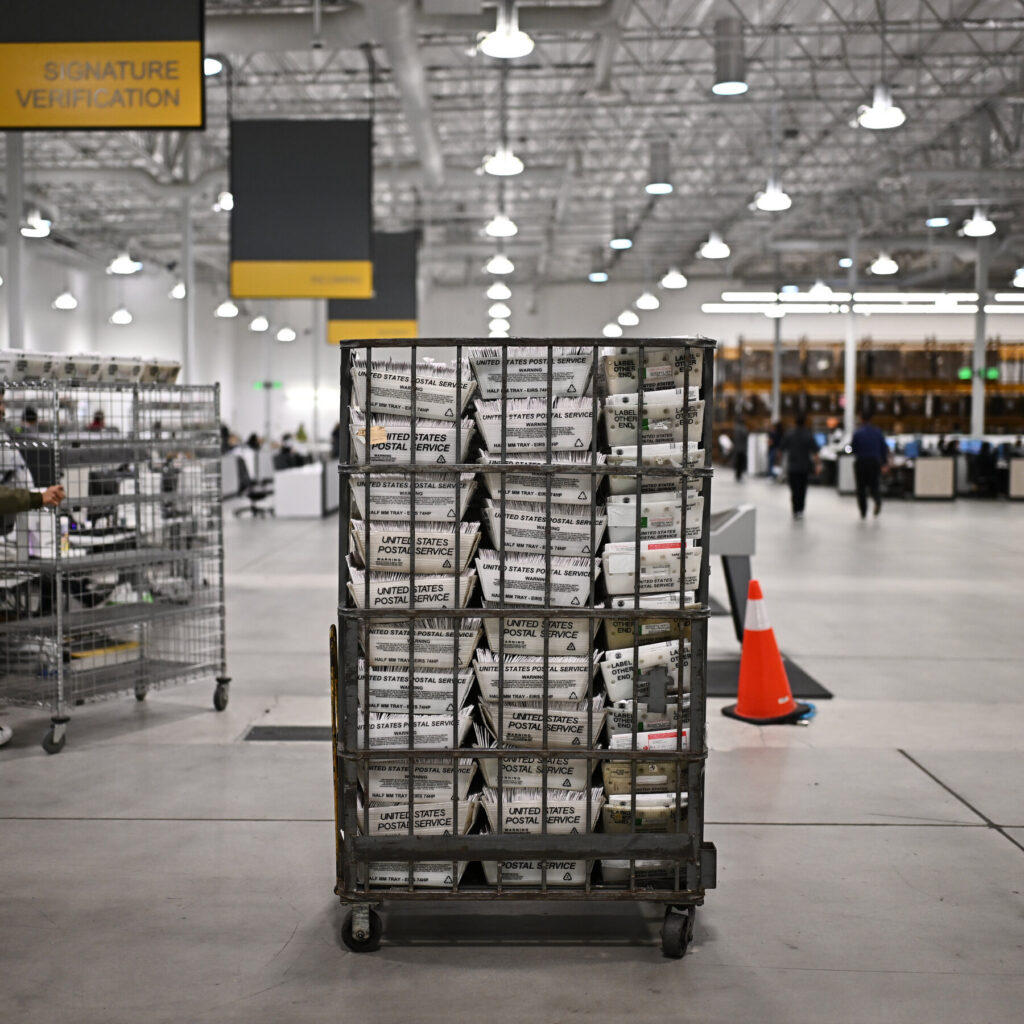
As pivotal elections approach in the United States, a recently introduced Postal Service rule has ignited significant controversy over mail-in voting access. The regulation permits the USPS to decline delivery of ballots from states failing to meet specific procedural compliance standards, prompting immediate legal action and a federal judge's temporary blockade. This development underscores the ongoing tension between safeguarding election integrity and ensuring broad voter participation, with potential implications for electoral outcomes in key states.
The United States Postal Service implemented a rule authorising it to refuse delivery of mail-in ballots originating from states that do not satisfy certain compliance criteria related to election procedures. These criteria encompass adherence to ballot submission deadlines, standardised ballot design elements, and verification protocols aimed at confirming ballot authenticity. The Postal Service states the objective is to establish uniform standards nationwide to protect mail-in ballot integrity and mitigate fraud risks. However, the timing of the rule's introduction—coinciding with the lead-up to major elections—has drawn criticism from voting rights advocates who argue it could disrupt ballot delivery for millions of voters, especially in states with more accessible mail-in voting systems.
Critics contend that the regulation may disproportionately affect jurisdictions that have expanded mail-in voting access in recent years, potentially creating barriers for voters who rely on this method due to health concerns, mobility issues, or geographic isolation. The debate centres on whether the pursuit of election security through standardisation justifies the risk of excluding eligible voters whose states employ different administrative approaches to mail-in balloting.
Following the rule's announcement, voting rights organisations and several state officials filed lawsuits challenging its constitutionality and potential to suppress voter turnout. In recognition of the imminent electoral timeline and the risk of widespread disruption, a federal judge issued a temporary injunction preventing the Postal Service from enforcing the rule against any state. This judicial order maintains the status quo, ensuring mail-in ballots continue to be processed and delivered without interruption while the legal merits are examined.
The injunction highlights the judiciary's role in mediating conflicts between election administration priorities and constitutional voting rights. Legal experts note that such interventions are increasingly common as courts are called upon to balance competing interests in election law—namely, the state's interest in preventing fraud against individuals' fundamental right to participate in democratic processes. The case is anticipated to proceed through appellate channels, with potential implications for how future election-related regulations are scrutinised.
Analysis suggests the rule could have a disparate impact on voter turnout, particularly in states characterised by less restrictive mail-in voting policies, many of which tend to support Democratic candidates. Battleground states with historically close electoral margins may experience a higher rate of ballot rejection or delay if the rule withstands legal scrutiny, potentially influencing contest outcomes. Mail-in voting has become a critical component of electoral participation for significant segments of the electorate, including older adults, persons with disabilities, and residents of rural communities where access to polling stations may be limited.
Election officials warn that enforcement of the rule could sow confusion among voters uncertain about whether their ballots will be accepted, leading to last-minute rushes to alternative voting methods or, conversely, voter disengagement. Such uncertainty might exacerbate existing disparities in participation rates and fuel post-election disputes over results, further eroding public confidence in electoral fairness—especially in an era marked by heightened polarisation and intense scrutiny of election administration.
Proponents of the Postal Service rule maintain that standardising ballot handling procedures is essential to uphold election integrity and prevent fraudulent activities that could undermine public trust in results. They argue that uniform application of verification and delivery standards across all states ensures a level playing field and deters malicious interference. Conversely, opponents assert that the rule risks enacting a solution that exacerbates the very problems it seeks to solve by disenfranchising voters who have come to depend on mail-in options as a practical necessity.
This discourse reflects a broader national conversation about how to administer elections in a manner that is both secure and inclusive. While safeguarding the electoral process from illegitimate influence remains vital, experts stress that measures intended to enhance security must not inadvertently obstruct legitimate voter participation. Achieving this equilibrium requires transparent policymaking, robust public communication, and ongoing evaluation of how electoral rules affect different voter demographics.
With the temporary injunction currently in effect, voters nationwide can continue to utilise mail-in ballots without immediate fear of rejection based on state compliance status. Nevertheless, stakeholders advise vigilance as the legal proceedings unfold. Election officials are encouraged to monitor court developments closely and to disseminate clear, timely information regarding mail-in voting procedures, including state-specific deadlines, ballot completion requirements, and drop-off locations.
Voters are urged to verify their individual state's regulations well in advance of election day, consider early in-person voting as a contingency option, and retain proof of ballot submission where possible. Civil society organisations recommend that community leaders assist vulnerable populations in navigating voting options to ensure equitable access. Ultimately, the situation serves as a reminder of the importance of civic engagement and institutional accountability in preserving democratic norms, particularly during periods of heightened electoral significance.
The controversy surrounding the Postal Service mail-in ballot rule encapsulates the enduring challenge of conducting elections that are both secure and accessible to all eligible citizens. While the temporary judicial block provides immediate reassurance to voters, the underlying debate reflects deeper divisions about how best to administer democratic processes in a politically charged environment. As legal scrutiny continues, the outcome will likely influence not only the immediate electoral cycle but also the framework for evaluating future election-related policies. For voters, the episode reinforces the necessity of remaining informed, proactive, and engaged in safeguarding their constitutional right to participate in self-governance.
Originally reported by nytimes.com. Adapted for our readers with AI assistance.
Keep reading
Politics
Yari says the APC will emphasise Tinubu’s achievements in 2027. This analysis explains how voters can examine outcomes, baselines and campaign evidence.
Lifestyle
Obi says his wife funds her own purchases. This analysis separates his explanation, unverified handbag prices and the evidence needed to assess public spending.
Politics
Politics tamfitronics Minnesota Gov. Tim Walz attends a rally in Asheville, North Carolina, on Sept. 17. Minnesota led the way on in...
TAMFIS NIG LTD
Electrical and instrumentation engineering, bid preparation and consulting, IT and software.