Business News
NDLEA Intensifies Operations Against Narcotic Trade and Illegal Trafficking
The National Drug Law Enforcement Agency has arrested multiple suspects and seized significant drug consignments in recent operations across Nigeria.
TAMFIS NIG LTDRC 8067447CAC ACTIVEFinima, Bonny Island, Rivers State

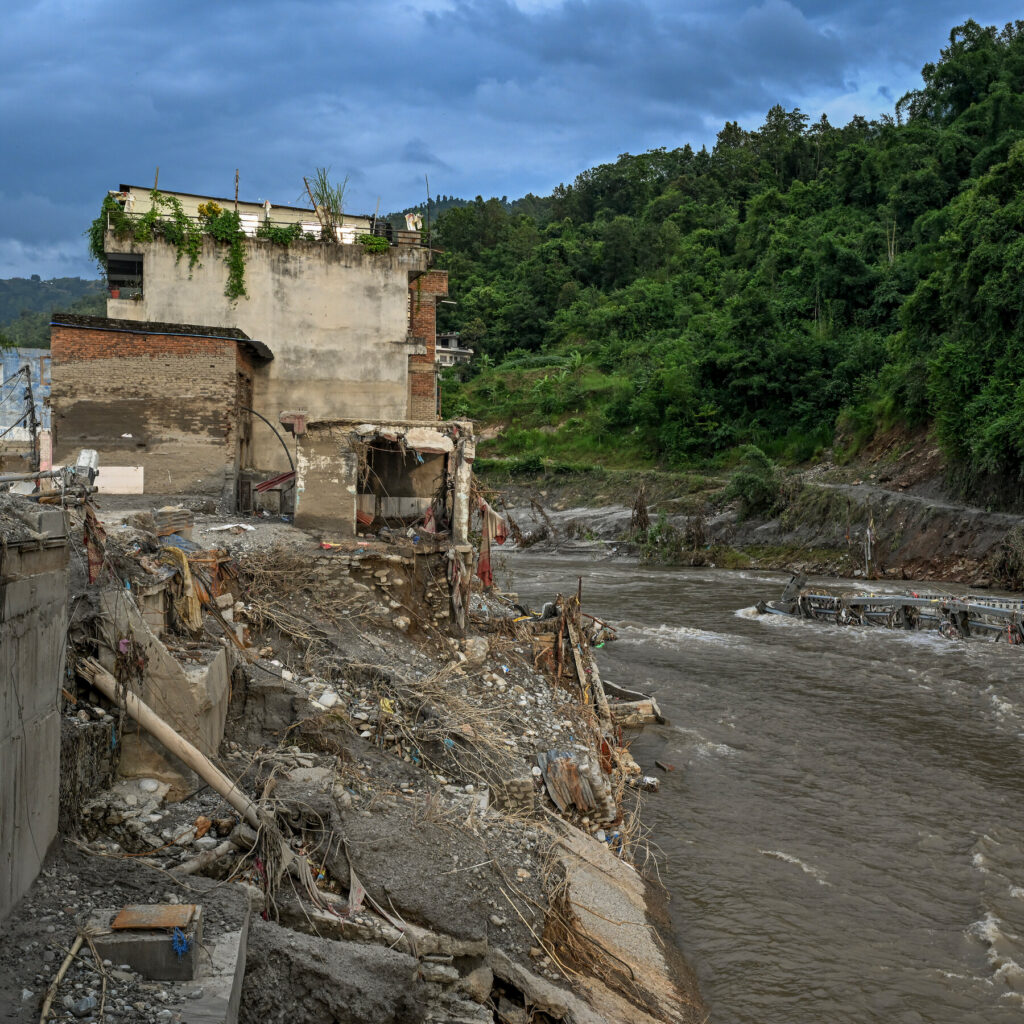
Mount Kailash, located on the border between Nepal and Tibet, is a mountain of immense spiritual importance revered by multiple faiths. Each year, pilgrims from across the globe embark on a challenging trek to this sacred site in search of enlightenment and divine connection. In 2026, Nepal experienced severe monsoon floods that displaced thousands and disrupted infrastructure, yet the annual pilgrimage to Mount Kailash persisted. This resilience highlights the profound human spirit and the powerful role of faith during times of adversity. This article delves into the spiritual significance of Mount Kailash, the impact of the 2026 floods, and how pilgrims navigated the intersection of natural disaster and spiritual journey.
Mount Kailash holds a unique place in the spiritual landscape, revered by Hinduism, Buddhism, Jainism, and the indigenous Bon religion. For Hindus, it is the divine abode of Lord Shiva, the god of destruction and regeneration, making it a focal point of worship. Buddhists regard the mountain as the home of Demchok, symbolizing supreme bliss and enlightenment. Jain tradition honors Mount Kailash as the site where their first Tirthankara attained liberation, while the Bon faith considers it the spiritual center of the universe.
This convergence of religious reverence makes Mount Kailash a rare pilgrimage destination that transcends individual faiths. Pilgrims undertake the arduous circumambulation of the mountain, a ritual believed to purify sins and accumulate spiritual merit. The journey itself is seen as a transformative process, blending physical endurance with deep spiritual reflection.
In the summer of 2026, Nepal was struck by unprecedented monsoon rains that triggered widespread flooding and landslides across the Himalayan region. The disaster devastated infrastructure, including roads and bridges, and displaced thousands of residents, particularly in rural communities near the mountains. These floods severely strained local resources and complicated access to remote areas, including the trailheads leading to Mount Kailash.
The timing of the floods coincided with the peak pilgrimage season, creating a complex scenario where natural disaster and spiritual tradition intersected. While the floods disrupted transportation and supply chains, the pilgrimage season pressed on, underscoring the determination of both pilgrims and local communities to maintain this sacred tradition despite adversity.
For many pilgrims, the floods intensified the urgency and meaning of their spiritual journey. Confronted with loss, uncertainty, and upheaval, individuals sought solace, hope, and divine intervention through their faith. The pilgrimage to Mount Kailash became more than a physical trek; it was a metaphorical passage toward healing and renewal amid crisis.
Interviews with pilgrims revealed a shared desire to find strength and protection for themselves and their communities affected by the floods. Many viewed the journey as an act of prayer, hoping to invoke blessings that would safeguard their families and aid in the recovery process. This collective spiritual response highlights the role of faith as a coping mechanism during times of profound hardship.
The natural disaster compounded the already demanding nature of the Mount Kailash pilgrimage. Flood-damaged roads and trails required rerouting, increasing the physical and logistical challenges for travelers. Local guides and authorities implemented additional safety protocols to mitigate risks, but the journey remained perilous.
Accommodation and supplies became scarcer as the floods disrupted local economies and supply chains. Pilgrims often had to rely on community support, improvisation, and resilience to complete the trek. The scarcity of resources underscored the interconnectedness of environmental vulnerability and human endurance in this high-altitude region.
Despite these obstacles, the pilgrims’ determination to complete the circumambulation reflected the profound spiritual importance of the journey. Their perseverance amidst adversity exemplifies how faith can inspire extraordinary human effort and solidarity.
The influx of pilgrims during a natural disaster presented complex challenges for Nepal’s government and local communities. On one hand, the pilgrimage season provided vital economic support through tourism, sustaining livelihoods in remote Himalayan regions. On the other, it strained resources already stretched thin by disaster relief efforts.
Authorities faced the delicate task of balancing support for spiritual tourism with the imperative to ensure safety and prioritize aid for flood victims. This situation illuminated the intricate relationship between culture, economy, and environmental vulnerability in Nepal’s mountainous terrain.
Moreover, the continuation of the pilgrimage during crisis reinforced Nepal’s identity as a spiritual hub, attracting global attention and fostering solidarity among diverse religious groups. This cultural resilience contributes to the nation’s social fabric and highlights the enduring significance of Mount Kailash as a symbol of unity and hope.
The 2026 pilgrimage to Mount Kailash amid devastating floods offers a compelling example of how faith and spirituality provide resilience during times of hardship. Pilgrims’ willingness to face physical danger and hardship reflects a deep-rooted human need for meaning and connection beyond the material world.
This phenomenon is not unique to Nepal; throughout history, spiritual journeys have offered individuals and communities pathways to cope with trauma, loss, and uncertainty. The act of pilgrimage serves as both a personal and collective ritual of healing, reaffirming identity and purpose.
The Mount Kailash pilgrimage during the floods serves as a powerful reminder of the capacity of belief to inspire hope and foster communal bonds, even in the most challenging circumstances. It underscores spirituality’s role as a source of strength that transcends physical hardship and environmental crisis.
The 2026 pilgrimage to Mount Kailash amid Nepal’s devastating floods encapsulates the profound intersection of faith, culture, and resilience. While natural disasters threaten physical safety and disrupt daily life, they also illuminate the human capacity to seek meaning and hope through spiritual practice. The journey to this sacred mountain, undertaken under extraordinary circumstances, reaffirms the enduring power of pilgrimage as a source of healing and communal strength. As Nepal continues to recover, the stories of these pilgrims offer valuable insights into how spirituality can sustain individuals and societies facing profound challenges.
Originally reported by nytimes.com. Adapted for our readers with AI assistance.
Keep reading
Business News
The National Drug Law Enforcement Agency has arrested multiple suspects and seized significant drug consignments in recent operations across Nigeria.
Business
Nigerian shoppers are increasingly turning to AI assistants like ChatGPT, Claude and Gemini for product ...
Business
The global developer workforce has undergone a transformative expansion over the past five years, fundam...
TAMFIS NIG LTD
Electrical and instrumentation engineering, bid preparation and consulting, IT and software.