Business News
NDLEA Intensifies Operations Against Narcotic Trade and Illegal Trafficking
The National Drug Law Enforcement Agency has arrested multiple suspects and seized significant drug consignments in recent operations across Nigeria.
TAMFIS NIG LTDRC 8067447CAC ACTIVEFinima, Bonny Island, Rivers State

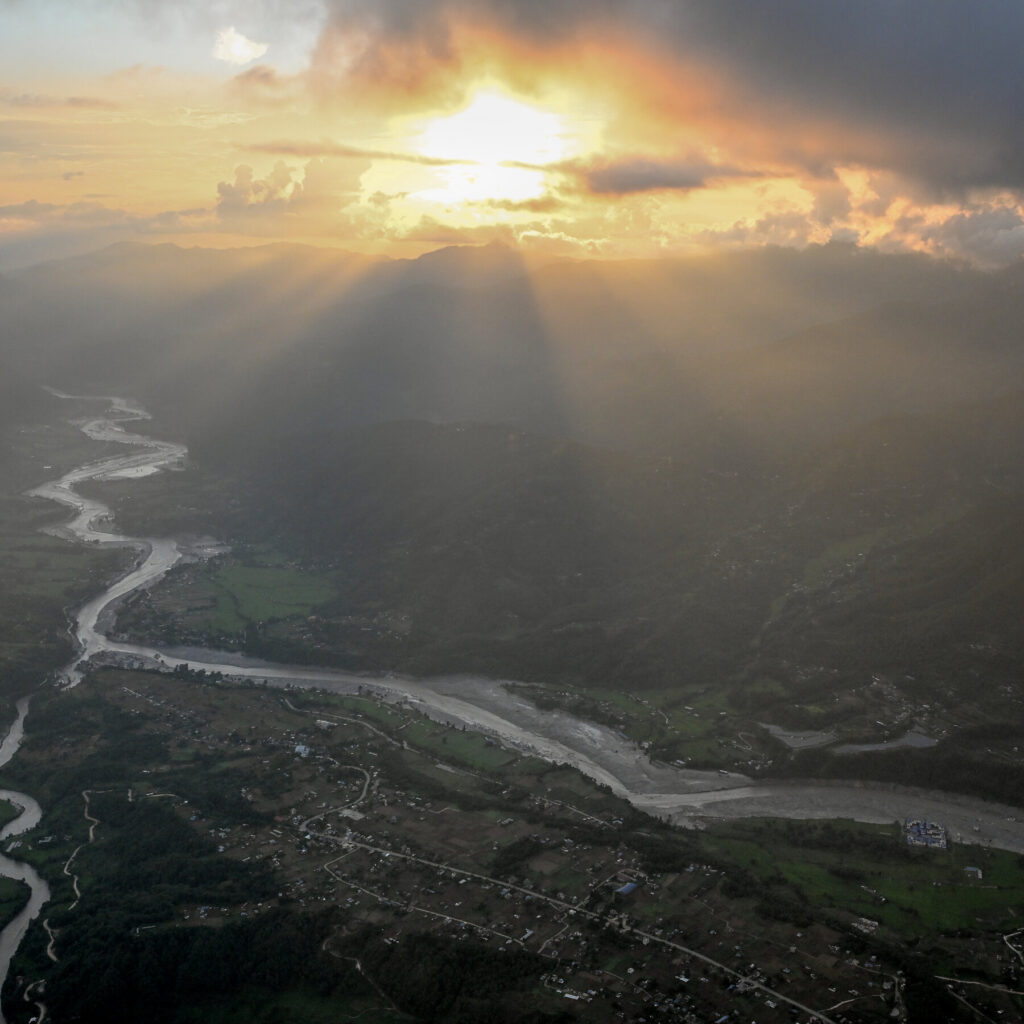
In late August 2026, a catastrophic flood struck the Tibet Autonomous Region, resulting in significant loss of life and widespread destruction. Among the most alarming revelations is the report that 261 foreigners from 23 different countries are currently missing. This disclosure provides one of the clearest insights into the disaster’s scale on the Chinese side of the border, where official information has been limited. Understanding the scope of this crisis is essential for grasping the humanitarian and geopolitical ramifications it presents.
The flood in Tibet has been described as one of the most severe natural disasters in the region in recent years. Torrential rains triggered flash floods and landslides, devastating local communities and infrastructure. The mountainous terrain of Tibet, combined with its remote location, has complicated rescue and relief operations.
While official Chinese sources have been reticent in sharing detailed information, the recent announcement that 261 foreigners from 23 countries remain missing sheds light on the international dimension of the disaster. This figure underscores the flood’s extensive impact not only on local populations but also on foreign nationals who were in the region for tourism, research, or other purposes.
The disaster has caused widespread damage to homes, roads, and communication networks, further isolating affected areas. Many villages remain cut off, and essential services have been disrupted, exacerbating the humanitarian crisis. The scale of destruction highlights the vulnerability of infrastructure in high-altitude, remote regions to extreme weather events.
The presence of a significant number of foreigners in Tibet at the time of the flood points to the region’s growing appeal as a destination for travelers and researchers. Tibet’s unique cultural heritage and natural beauty attract visitors worldwide, but the disaster has exposed vulnerabilities in emergency preparedness and communication.
The missing foreigners hail from 23 different countries, reflecting the international nature of the region’s visitors. This situation has prompted diplomatic concerns and calls for coordinated rescue efforts. Governments around the world are closely monitoring the situation and seeking information from Chinese authorities about the status of their citizens.
The challenges in locating and assisting these missing individuals are considerable. The rugged terrain, disrupted transportation networks, and limited communication infrastructure hamper search and rescue missions. Moreover, the lack of detailed official updates has created uncertainty and anxiety among families and governments abroad.
In addition to tourists, some of the missing foreigners include researchers and aid workers engaged in environmental and cultural projects, underscoring the diverse international presence in Tibet. This diversity complicates diplomatic coordination as multiple governments seek timely information and assistance for their nationals.
Chinese officials have been cautious in releasing information about the flood and its aftermath. The limited details provided until now have made it difficult to fully assess the disaster’s scope and the effectiveness of the response efforts.
The recent disclosure regarding the number of missing foreigners marks a rare moment of transparency. It suggests an acknowledgment of the disaster’s international implications and the need for greater communication with foreign governments and the global community.
However, experts and observers note that more comprehensive and timely information is essential to facilitate coordinated rescue operations and humanitarian assistance. Transparency is also critical to maintaining trust and enabling effective international cooperation during such crises.
The restrained flow of information has led to criticism from some international observers who emphasize that open communication is vital in managing large-scale disasters, especially when foreign nationals are involved. Enhanced transparency would not only aid rescue efforts but also help alleviate the concerns of affected families and governments.
The Tibet flood disaster has broader regional implications, particularly given Tibet’s location near several international borders. The floodwaters and landslides have also affected areas in neighboring Nepal, compounding the humanitarian challenges in the region.
Cross-border cooperation in disaster response is crucial, as natural disasters do not respect political boundaries. The flood highlights the need for enhanced regional mechanisms to address emergencies and support affected populations.
Internationally, the crisis has drawn attention to the risks faced by travelers in remote and environmentally sensitive areas. It underscores the importance of robust emergency preparedness, clear communication channels, and contingency planning for foreign nationals abroad.
The situation also raises questions about environmental management and the impact of climate change in the Himalayas, where glacial melt and extreme weather events are becoming more frequent. These factors contribute to the vulnerability of mountain communities and infrastructure.
Increased collaboration among Himalayan nations could improve early warning systems and resource sharing during emergencies. The disaster serves as a call to strengthen regional partnerships to better manage the complex challenges posed by climate change and natural hazards.
The geography of Tibet presents significant obstacles to rescue teams. The region’s high altitude, rugged mountains, and limited road access slow down the deployment of personnel and equipment.
Weather conditions following the flood, including ongoing rain and potential aftershocks, further complicate relief efforts. Landslides and damaged infrastructure block critical routes, isolating affected communities.
Coordination among local authorities, the military, and international aid organizations is essential to overcome these challenges. However, the scale of the disaster and logistical difficulties require substantial resources and time.
Ensuring the safety and well-being of both local residents and missing foreigners remains a priority. Medical assistance, shelter, and food supplies are urgent needs in the aftermath of the flood.
The deployment of specialized mountain rescue teams and air support has been limited by weather and terrain, delaying access to some of the hardest-hit areas. These operational difficulties highlight the need for improved infrastructure and disaster readiness in remote regions.
The devastating flood in Tibet represents a significant humanitarian crisis with far-reaching implications. The high number of missing foreigners has brought international attention to the disaster, emphasizing the need for transparent communication and coordinated rescue efforts. As authorities and aid organizations work to address immediate needs, the event also serves as a stark reminder of the vulnerabilities faced by remote mountain regions in the context of natural disasters and climate change. Strengthening regional cooperation, improving emergency preparedness, and fostering open information exchange will be critical to mitigating the impact of similar events in the future.
Originally reported by nytimes.com. Adapted for our readers with AI assistance.
Keep reading
Business News
The National Drug Law Enforcement Agency has arrested multiple suspects and seized significant drug consignments in recent operations across Nigeria.
Business
Nigerian shoppers are increasingly turning to AI assistants like ChatGPT, Claude and Gemini for product ...
Business
The global developer workforce has undergone a transformative expansion over the past five years, fundam...
TAMFIS NIG LTD
Electrical and instrumentation engineering, bid preparation and consulting, IT and software.