Business News
NDLEA Intensifies Operations Against Narcotic Trade and Illegal Trafficking
The National Drug Law Enforcement Agency has arrested multiple suspects and seized significant drug consignments in recent operations across Nigeria.
TAMFIS NIG LTDRC 8067447CAC ACTIVEFinima, Bonny Island, Rivers State

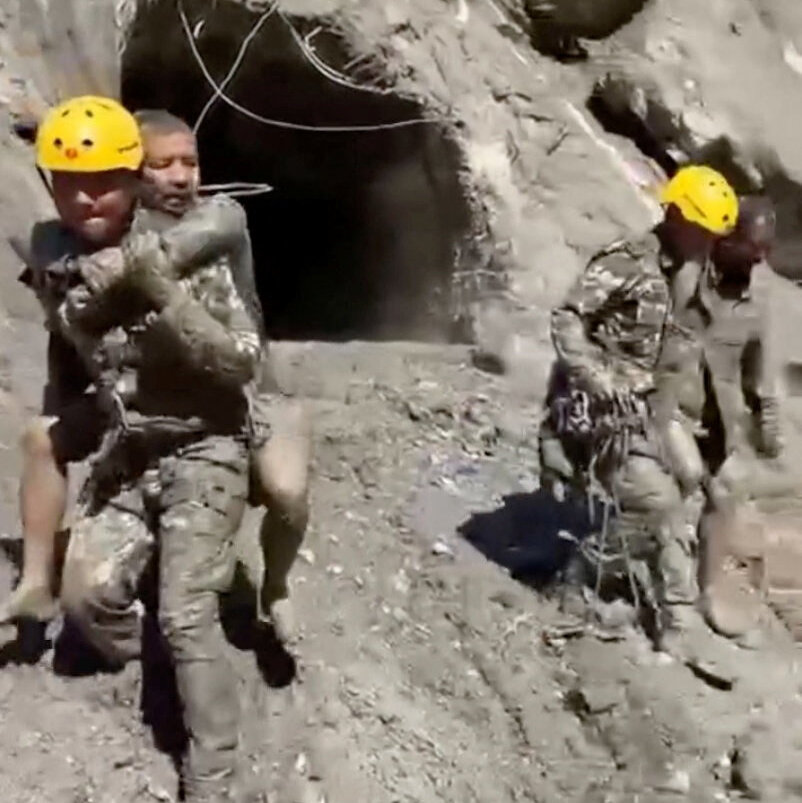
Severe flooding in Nepal has triggered a large-scale rescue operation focused on nearly 900 workers missing inside hydropower tunnels. The Nepal Army, alongside industry experts and private rescuers, has mobilized to bore through the tunnels in an urgent attempt to reach those trapped. This article examines the unfolding rescue efforts, the significant challenges faced, and the broader implications for Nepal’s hydropower infrastructure and disaster preparedness.
Recent floods in Nepal have caused widespread devastation, particularly affecting hydropower facilities located in the country’s mountainous regions. Triggered by intense monsoon rains, the floods overwhelmed riverbanks and infrastructure, leading to sudden and severe water surges that swept through valleys and tunnels.
Among the hardest hit were hydropower tunnels where approximately 900 workers were present at the time of the flooding. These tunnels, integral to Nepal’s energy production, became traps as floodwaters surged inside, cutting off all conventional means of escape and communication. The workers were caught deep within the complex tunnel networks, isolated by rapidly rising waters.
The scale of the disaster has raised alarm not only for the immediate safety of the workers but also for the continuity of Nepal’s critical energy supply, which heavily relies on hydropower. The flooding has disrupted operations at multiple hydropower plants, threatening energy availability across the country during a crucial period.
The Nepal Army has taken a leading role in the rescue operations, coordinating efforts with industry groups and private rescuers. According to army officials, the military’s involvement began more than a day after the floodwaters surged, as initial assessments and mobilization took time due to the remote location and the complexity of the disaster.
Rescue teams have employed specialized tunneling equipment to bore through the flooded hydropower tunnels, an approach necessitated by the submerged and unstable tunnel environment that renders conventional rescue methods ineffective. This technique involves carefully breaking through rock and debris to create access points without triggering further collapses.
The operation is fraught with challenges, including the risk of additional flooding, tunnel collapses, and limited oxygen supply inside the tunnels. Rescuers are working under extreme pressure to reach the trapped workers before conditions deteriorate further, with every hour critical to survival.
Coordination between the army, private sector experts, and local authorities has been crucial in pooling resources and expertise to tackle the unprecedented scale of this rescue mission. The collaboration has enabled the deployment of advanced equipment and the rapid sharing of information essential for effective decision-making.
Accessing nearly 900 workers trapped inside hydropower tunnels presents significant logistical and technical difficulties. The tunnels are long, narrow, and partially submerged, making navigation and rescue extremely hazardous. Rescue teams must carefully map the tunnel network to avoid disorientation and ensure safe passage.
Floodwaters have altered the structural integrity of the tunnels, increasing the risk of collapses during rescue operations. The unstable geology combined with water pressure creates a precarious environment where any disturbance can have catastrophic consequences.
Additionally, the workers’ exact locations within the extensive tunnel network remain uncertain, complicating targeted rescue attempts. Communication with the trapped workers has been limited or nonexistent, preventing rescuers from assessing their condition or providing reassurance.
Environmental factors such as ongoing rains and unstable terrain continue to hamper rescue progress, while the remote location delays the arrival of additional support and specialized equipment. These conditions extend the timeline of the rescue and increase risks for both trapped workers and rescuers.
This disaster highlights vulnerabilities within Nepal’s hydropower infrastructure, which is a cornerstone of the country’s energy strategy. The reliance on mountainous river systems exposes facilities and workers to natural hazards such as floods and landslides, risks that are exacerbated by climate change and increasing weather variability.
The incident underscores the urgent need for enhanced safety protocols, early warning systems, and emergency response plans tailored to the unique risks of hydropower operations in Nepal’s challenging terrain. Current measures have proven insufficient to prevent or rapidly respond to such a large-scale emergency.
Industry groups have called for comprehensive reviews of existing practices and investments in resilient infrastructure to mitigate future disasters. This includes reinforcing tunnel structures, improving drainage systems, and integrating real-time monitoring technologies to detect early signs of flooding or structural stress.
The human cost of the flood also raises concerns about labor safety standards and the adequacy of protections for workers in remote and high-risk environments. Ensuring worker safety must become a priority alongside infrastructure development to prevent similar tragedies.
The Nepal flood rescue operation serves as a critical case study in disaster preparedness and response in mountainous regions prone to extreme weather events. It highlights the complexity of coordinating large-scale rescue efforts under challenging environmental conditions.
Timely mobilization of rescue teams, inter-agency coordination, and the use of specialized technology have proven essential in addressing complex emergencies. However, the delay in reaching the trapped workers reveals gaps in early detection and rapid response capabilities that need to be addressed to save lives in future incidents.
The event also emphasizes the importance of community awareness, infrastructure resilience, and investment in disaster risk reduction strategies to minimize the impact of natural calamities. Strengthening local capacity and preparedness can enhance response times and reduce vulnerabilities.
As climate change intensifies weather extremes, Nepal and similar countries must prioritize integrated disaster management approaches that combine technology, policy, and community engagement to protect lives and critical infrastructure.
The ongoing rescue mission in Nepal underscores the precarious balance between harnessing natural resources and managing environmental risks. While the Nepal Army and rescue teams demonstrate commendable resolve and coordination, the tragedy reveals urgent needs for enhanced safety measures and disaster preparedness within the hydropower sector. As Nepal navigates the aftermath, lessons learned from this incident could drive meaningful reforms to protect workers and infrastructure against future natural disasters, ultimately safeguarding both human lives and the country’s energy future.
Originally reported by nytimes.com. Adapted for our readers with AI assistance.
Keep reading
Business News
The National Drug Law Enforcement Agency has arrested multiple suspects and seized significant drug consignments in recent operations across Nigeria.
Business
Nigerian shoppers are increasingly turning to AI assistants like ChatGPT, Claude and Gemini for product ...
Business
The global developer workforce has undergone a transformative expansion over the past five years, fundam...
TAMFIS NIG LTD
Electrical and instrumentation engineering, bid preparation and consulting, IT and software.