Business News
NDLEA Intensifies Operations Against Narcotic Trade and Illegal Trafficking
The National Drug Law Enforcement Agency has arrested multiple suspects and seized significant drug consignments in recent operations across Nigeria.
TAMFIS NIG LTDRC 8067447CAC ACTIVEFinima, Bonny Island, Rivers State

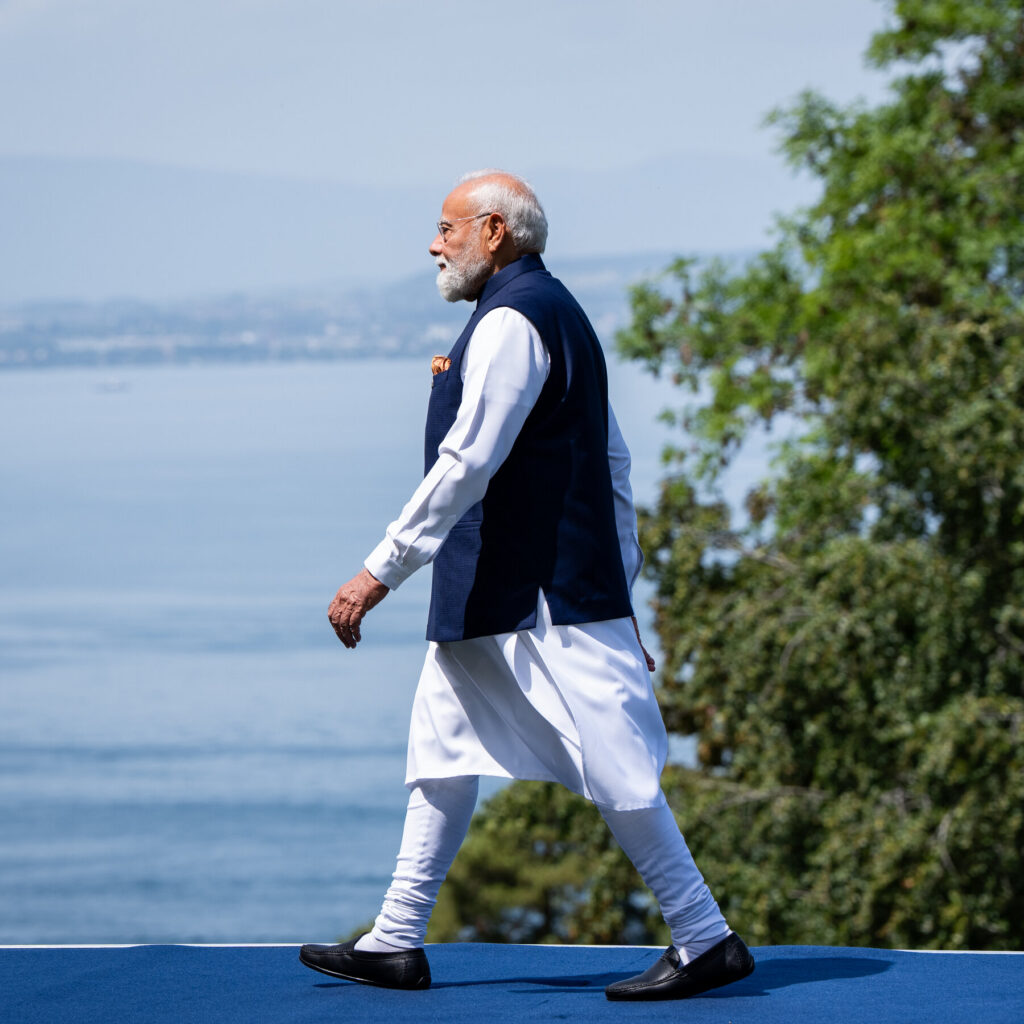
In recent years, the international landscape has witnessed significant shifts, particularly in the dynamics between India and the United States. With the U.S. adopting a more unpredictable stance under President Trump, Indian Prime Minister Narendra Modi has proactively sought to broaden India’s global alliances. Through a series of high-profile visits and agreements across multiple continents, Modi aims to reduce India’s reliance on the United States and foster a more balanced, diversified foreign policy. This article examines the strategic rationale behind Modi’s global engagements, the nature of the deals secured, and the implications for India’s geopolitical positioning.
Traditionally, India and the United States have enjoyed a growing partnership, marked by shared democratic values and increasing economic ties. However, the arrival of President Trump introduced a degree of unpredictability in U.S. foreign policy, with a more transactional approach to international relations. This shift has led to concerns in New Delhi about the reliability of the U.S. as a strategic partner.
The Trump administration’s focus on “America First” policies, renegotiation of trade agreements, and a more isolationist posture have created uncertainties for India, which has been seeking to deepen its ties with the U.S. for economic growth, defense cooperation, and regional security. In response, Modi has taken a pragmatic approach, recognizing the need to hedge India’s bets by expanding partnerships beyond the United States.
This recalibration reflects a broader trend in global diplomacy, where nations increasingly seek diversified alliances to mitigate risks posed by shifting policies of traditional partners. For India, this means balancing its longstanding relationship with the U.S. against emerging opportunities elsewhere.
Over the past year, Prime Minister Modi has embarked on an extensive diplomatic tour, engaging with leaders across Asia, Europe, Africa, and the Middle East. His travels have been characterized by a focus on securing economic and strategic agreements that enhance India’s global footprint.
In Asia, Modi has strengthened ties with key regional players, including Japan and South Korea, focusing on technology, infrastructure, and defense collaborations. These partnerships are designed to bolster India’s position in the Indo-Pacific region, counterbalancing China’s growing influence and asserting India’s role as a regional security provider.
In Europe, Modi has pursued agreements on trade, investment, and clean energy, aiming to attract European capital and technology to support India’s ambitious development goals. Engagements with countries such as Germany and France have emphasized innovation and sustainability, aligning with global efforts to combat climate change.
Africa and the Middle East have also featured prominently in Modi’s outreach. India has secured deals related to energy, infrastructure, and technology transfer, reflecting a strategic interest in these resource-rich and rapidly developing regions. These partnerships not only ensure resource security but also expand India’s diplomatic influence in key global corridors.
Among the notable agreements secured during Modi’s global engagements are defense cooperation pacts with Japan and South Korea, which include joint military exercises and technology sharing. These agreements enhance India’s defense capabilities and contribute to a regional security architecture that balances Chinese assertiveness, reinforcing a multipolar Indo-Pacific.
Economic deals with European nations have focused on renewable energy projects, particularly solar power, aligning with India’s commitment to sustainable development and its ambitious targets under the Paris Agreement. Investments in infrastructure and manufacturing have also been prioritized to create jobs and boost economic growth, supporting India’s vision of becoming a $5 trillion economy.
In the Middle East, India has negotiated energy supply agreements and collaborations on technology, ensuring stable access to critical resources while fostering innovation. Partnerships in Africa include infrastructure development projects, such as railways and ports, which support India’s trade ambitions and diplomatic influence on the continent, while also contributing to regional development and connectivity.
Modi’s strategy reflects a nuanced understanding of the evolving global order. By diversifying India’s international partnerships, he reduces the risks associated with overdependence on any single country, particularly in an era marked by geopolitical volatility.
This approach enhances India’s autonomy in foreign policy decisions and strengthens its bargaining power on the global stage. It also aligns with India’s broader vision of becoming a leading global power, capable of shaping regional and international norms.
However, balancing multiple partnerships requires diplomatic finesse to avoid alienating traditional allies while cultivating new ones. India must navigate complex geopolitical tensions, especially between the U.S., China, and other major powers, to maintain its strategic interests. This balancing act is critical to preserving India’s non-aligned posture while engaging proactively with diverse partners.
While Modi’s global engagements have yielded significant agreements, challenges remain. The unpredictability of international politics, economic uncertainties, and regional conflicts could impact the implementation of these deals.
Furthermore, India must continue to invest in domestic reforms and infrastructure to fully leverage foreign partnerships. Effective coordination between government agencies and private sector stakeholders is essential to translate diplomatic successes into tangible economic and strategic benefits.
Looking ahead, India’s ability to sustain a multi-vector foreign policy will be critical. As global power dynamics continue to shift, Modi’s efforts to hedge against uncertainties by building diverse alliances position India to navigate an increasingly complex international environment. Success will depend on India’s capacity to adapt to changing circumstances and maintain coherent, long-term strategic objectives.
Prime Minister Narendra Modi’s proactive global diplomacy represents a strategic recalibration of India’s foreign policy in response to shifting U.S. engagement. By securing diverse international agreements, India is positioning itself to navigate an unpredictable geopolitical landscape with greater resilience and autonomy. While challenges persist, this multipronged approach underscores India’s ambition to emerge as a significant global player, capable of shaping its own destiny amid evolving international dynamics.
Originally reported by nytimes.com. Adapted for our readers with AI assistance.
Keep reading
Business News
The National Drug Law Enforcement Agency has arrested multiple suspects and seized significant drug consignments in recent operations across Nigeria.
Business
Nigerian shoppers are increasingly turning to AI assistants like ChatGPT, Claude and Gemini for product ...
Business
The global developer workforce has undergone a transformative expansion over the past five years, fundam...
TAMFIS NIG LTD
Electrical and instrumentation engineering, bid preparation and consulting, IT and software.