Politics
Yari’s 2027 Campaign Strategy: How to Evaluate Claims About Tinubu’s Record
Yari says the APC will emphasise Tinubu’s achievements in 2027. This analysis explains how voters can examine outcomes, baselines and campaign evidence.
TAMFIS NIG LTDRC 8067447CAC ACTIVEFinima, Bonny Island, Rivers State

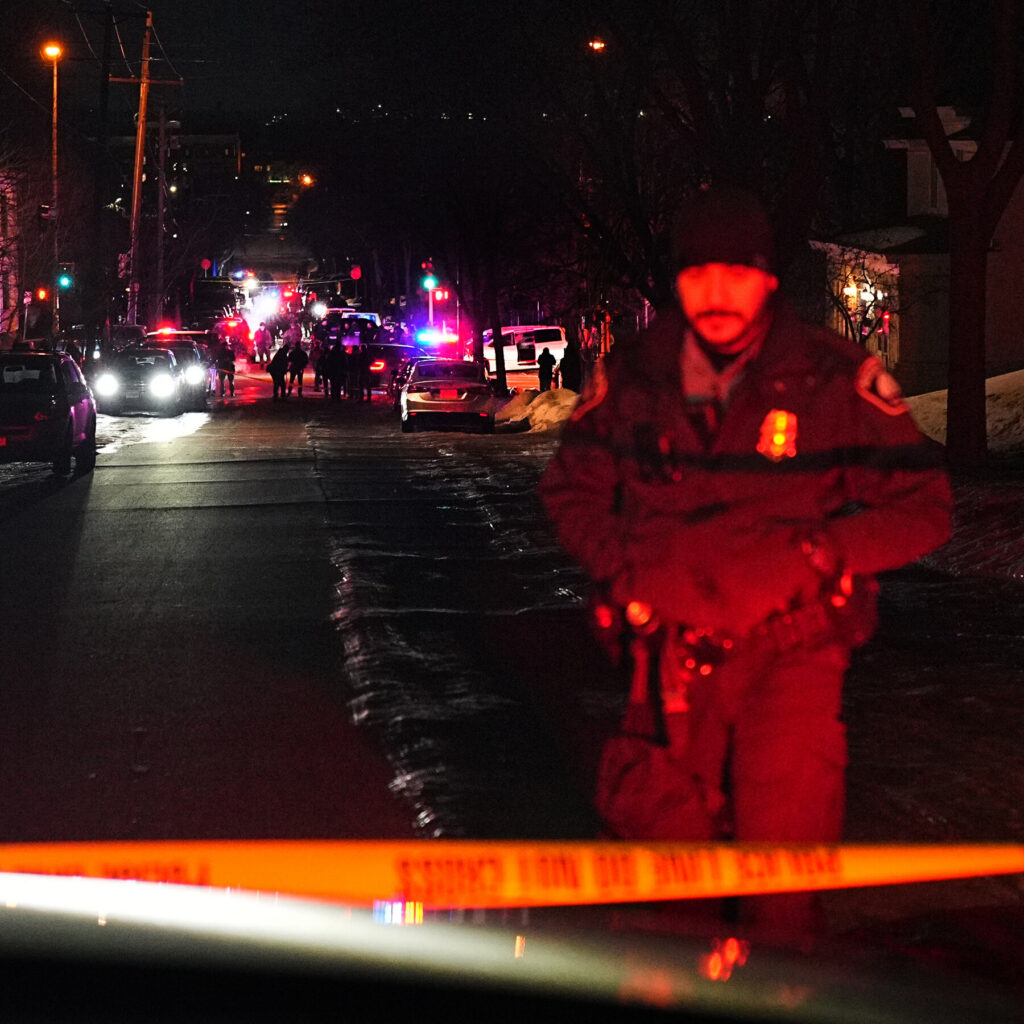
A shooting incident involving a U.S. Immigration and Customs Enforcement (ICE) agent in Minneapolis has become a focal point in the national conversation about law enforcement accountability, particularly within federal immigration agencies. The agent's arrest, initial federal prosecutorial intent to charge, and subsequent release have underscored the legal and procedural complexities that arise when federal officers are involved in use-of-force cases. Set against a backdrop of heightened scrutiny of ICE operations and immigrant communities' concerns over enforcement practices, this case reveals critical gaps in jurisdictional coordination, prosecutorial standards, and oversight mechanisms. As debates intensify over balancing effective immigration enforcement with civil rights protections, the Minneapolis incident offers a stark illustration of how legal, political, and social factors intersect in high-profile use-of-force cases.
The case originated from a shooting in Minneapolis involving an ICE agent, an event that swiftly attracted national attention due to the agent's federal status and the sensitive context of immigration enforcement. While specific details of the shooting remain limited in public records, the incident prompted an immediate law enforcement response and led to the agent's arrest. This development occurred amid growing public concern over the conduct of federal immigration officers, particularly regarding use of force and treatment of migrants. Communities and advocacy groups have long called for greater transparency in ICE operations, and this case amplified those demands, placing the agency under intense media and public examination. The shooting thus became more than an isolated incident; it emerged as a symbol of broader tensions surrounding immigration policing in the United States.
Following the arrest, federal prosecutors signalled their intention to pursue charges against the ICE agent, indicating a serious assessment of the agent's conduct during the shooting. Although the exact charges were not disclosed publicly, the announcement reflected a willingness to hold the officer accountable through the judicial process. Prosecutors in such cases routinely confront significant legal obstacles, including the doctrine of qualified immunity, which can shield government officials from liability unless their actions violate clearly established statutory or constitutional rights. Furthermore, proving criminal intent or negligence in use-of-force scenarios demands a high evidentiary threshold, requiring meticulous investigation and compelling evidence to meet the burden of proof in criminal proceedings.
Despite the initial prosecutorial stance, the ICE agent was subsequently released, a turn of events that surprised legal observers and the public alike. Authorities have not fully elucidated the reasons for the release, but it has highlighted the procedural intricacies that can impede prosecutions of federal officers. A key complicating factor emerged in the form of an extradition dispute between law enforcement officials in Minnesota and Texas. The agent’s connections to multiple states and the overlapping jurisdictional claims created delays and uncertainty in the legal process. Such interstate extradition conflicts are not uncommon when suspects are linked to incidents across state lines or when charges are contemplated in different jurisdictions, often resulting in prolonged legal negotiations. These disputes can obstruct timely prosecution and strain cooperation between federal and state agencies, pointing to a need for more streamlined mechanisms to handle cross-jurisdictional cases involving federal personnel.
The case has reignited debates about accountability within immigration enforcement agencies, especially concerning use-of-force incidents. For immigrant communities already experiencing heightened anxiety and vulnerability, such events can erode public trust in federal authorities and deepen fears of enforcement actions. Legal scholars and civil rights advocates contend that the challenges in prosecuting this ICE agent reflect systemic issues, including the difficulty of balancing law enforcement discretion with robust oversight. Without transparent accountability frameworks, concerns persist that misconduct may go unaddressed, undermining the legitimacy of immigration enforcement efforts. Advocacy groups have consistently urged for independent investigations, clearer use-of-force policies, and stronger oversight mechanisms to ensure that ICE and similar agencies operate within legal and ethical boundaries while maintaining public safety.
The Minneapolis shooting also illuminates the complex dynamic between federal and state jurisdictions in cases involving federal agents. While ICE operates under federal authority, incidents occurring within state boundaries can trigger concurrent legal processes and competing jurisdictional claims. Effective coordination between federal prosecutors and state officials is essential to ensure justice is served, yet this collaboration is frequently hindered by divergent legal standards, procedural priorities, and political considerations. The extradition disagreement between Minnesota and Texas authorities in this case exemplifies how such jurisdictional friction can stall legal proceedings and impede accountability efforts. These conflicts underscore the necessity for improved communication protocols and cooperative frameworks between federal and state entities to prevent procedural delays and ensure fair, efficient handling of cases involving federal officers.
As the case remains unresolved, it serves as a critical reminder of the enduring challenges in holding law enforcement accountable, particularly in politically charged domains like immigration enforcement. Legal experts suggest that meaningful progress may require reforms focused on enhancing inter-jurisdictional cooperation, establishing clearer guidelines on the use of force by federal agents, and implementing comprehensive training programmes. Increased transparency through mandatory reporting, independent oversight bodies, and sustained public advocacy could also play pivotal roles in reducing excessive force incidents and rebuilding community trust. Ultimately, the Minneapolis incident may catalyse broader efforts to create a framework that upholds both effective immigration enforcement and the protection of civil rights, ensuring that accountability is not sacrificed in the pursuit of security.
The shooting of an ICE agent in Minneapolis and its ensuing legal entanglements offer a profound case study in the complexities of prosecuting federal law enforcement officers. From the initial arrest and prosecutorial intent to the unexpected release and jurisdicial wrangling, the case encapsulates the difficulties inherent in balancing enforcement authority with accountability. It reveals how legal doctrines, interstate conflicts, and systemic oversight gaps can converge to obstruct justice, even in high-profile incidents. As immigrant communities and civil rights advocates continue to demand transparency and reform, this case may serve as a catalyst for meaningful change—pushing for clearer policies, stronger inter-agency coordination, and robust independent oversight. Ultimately, the path forward lies not in choosing between effective enforcement and civil rights, but in forging a system where both are upheld through accountability, transparency, and mutual respect.
Originally reported by nytimes.com. Adapted for our readers with AI assistance.
Keep reading
Politics
Yari says the APC will emphasise Tinubu’s achievements in 2027. This analysis explains how voters can examine outcomes, baselines and campaign evidence.
Lifestyle
Obi says his wife funds her own purchases. This analysis separates his explanation, unverified handbag prices and the evidence needed to assess public spending.
Politics
Politics tamfitronics Minnesota Gov. Tim Walz attends a rally in Asheville, North Carolina, on Sept. 17. Minnesota led the way on in...
TAMFIS NIG LTD
Electrical and instrumentation engineering, bid preparation and consulting, IT and software.