Politics
Yari’s 2027 Campaign Strategy: How to Evaluate Claims About Tinubu’s Record
Yari says the APC will emphasise Tinubu’s achievements in 2027. This analysis explains how voters can examine outcomes, baselines and campaign evidence.
TAMFIS NIG LTDRC 8067447CAC ACTIVEFinima, Bonny Island, Rivers State

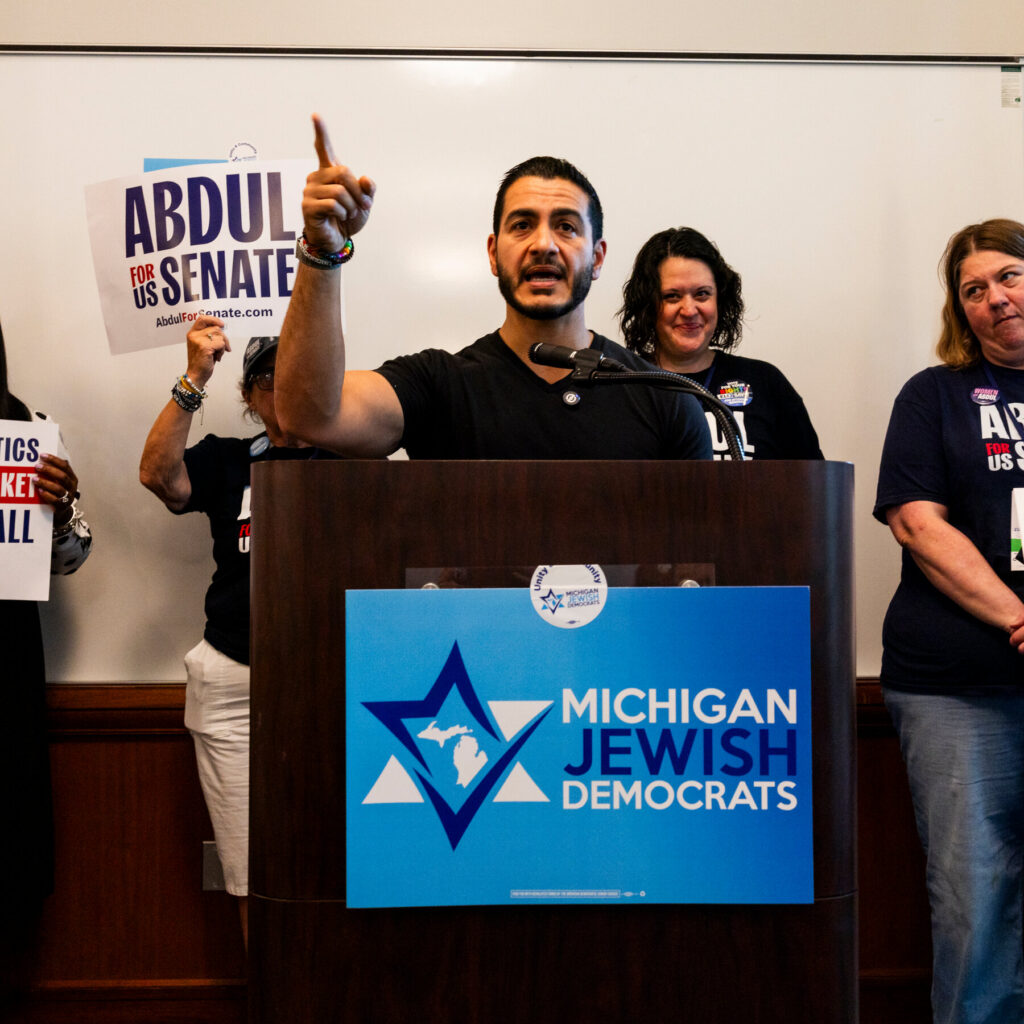
In August 2026, Dr. Abdul El-Sayed, the Democratic nominee for the U.S. Senate seat in Michigan, became embroiled in controversy following a comment he made regarding a recent attack on a Michigan synagogue. His phrase, “hurt people hurt people,” was intended to offer insight into the cycles of pain and violence that can perpetuate harm. However, the statement sparked significant criticism from members of the Jewish community and fellow Democrats who felt it was inappropriate in the context of a hate crime. This article explores the circumstances surrounding El-Sayed’s comment, the responses it generated, and the broader implications for political discourse and sensitivity during times of tragedy.
Earlier in August 2026, a violent attack targeted a synagogue in Michigan, profoundly affecting the local Jewish community and drawing national attention to the persistent threat of anti-Semitic violence in the United States. The incident intensified concerns about the safety of religious minorities and the growing prevalence of hate crimes.
In the aftermath, Dr. Abdul El-Sayed addressed the tragedy during a public forum, aiming to reflect on the underlying causes of violence. He used the phrase “hurt people hurt people” to suggest that individuals who have experienced trauma or pain may, in turn, inflict harm on others. This expression is commonly used in therapeutic and social justice contexts to explain cycles of trauma and violence.
While El-Sayed’s intention was to provide psychological insight into how pain can perpetuate further harm, many perceived the statement as minimizing or excusing the severity of the attack. Critics argued that applying this framework to a targeted hate crime risked overshadowing the accountability of the perpetrators and the specific suffering of the Jewish community.
Jewish Democrats and community leaders quickly expressed disapproval of El-Sayed’s comment, viewing it as insensitive and inappropriate given the gravity of the synagogue attack. Many felt the phrase failed to acknowledge the distinct and deliberate nature of anti-Semitic violence.
Critics emphasized that framing the attack in terms of ‘hurt people’ could unintentionally shift focus away from the responsibility of those who committed the crime and the pain experienced by the victims. They stressed the importance of unequivocally condemning hate crimes without language that might be interpreted as justifying or explaining away such acts.
Several prominent Jewish Democrats voiced their disappointment, underscoring the expectation that political figures should respond to hate crimes with clear condemnation and solidarity. This reaction highlighted the delicate balance politicians must strike when addressing complex social issues, particularly during moments of communal grief and trauma.
In response to the backlash, Dr. El-Sayed issued a public apology, acknowledging that his comment was poorly phrased and hurtful to many in the Jewish community. He clarified that his intention was never to excuse violence but to emphasize the importance of addressing underlying trauma to prevent future harm.
El-Sayed committed to engaging more deeply with Jewish leaders and communities to better understand their perspectives and concerns. He reaffirmed his strong stance against anti-Semitism and hate crimes, pledging to advocate for policies that protect vulnerable groups and promote safety.
This episode illustrates the challenges political candidates face in navigating sensitive topics, especially when their words are subject to intense scrutiny in emotionally charged environments. El-Sayed’s willingness to apologize and seek dialogue reflects an effort to repair relationships and demonstrate accountability, which can be crucial for maintaining trust with constituents.
The controversy surrounding El-Sayed’s comment highlights a broader tension in political discourse: how to discuss the roots of violence without appearing to excuse or diminish its impact. The phrase ‘hurt people hurt people’ is often used in therapeutic or social justice settings to explain cycles of trauma, but its use in political statements about hate crimes requires careful consideration.
Politicians must be mindful of their language, especially when addressing communities affected by targeted violence. While empathy and nuance are essential, clarity in condemning perpetrators and affirming victims’ experiences is equally important to avoid misunderstandings or offense.
This incident underscores the importance of cultural competence and sensitivity training for public figures, enabling them to communicate effectively and respectfully across diverse communities. Striking the right balance between analysis and solidarity is delicate but vital for fostering trust, understanding, and healing.
As the Michigan Senate race continues, El-Sayed’s handling of this controversy may influence voter perceptions and community support. His prompt apology and outreach efforts could help mitigate some of the damage, but the episode serves as a reminder of the high stakes involved in political communication.
For communities, this situation highlights the importance of ongoing dialogue with elected officials to ensure their voices and concerns are heard and respected. It also illustrates the role of media and public discourse in holding politicians accountable while allowing space for growth and learning.
Ultimately, the intersection of politics, trauma, and violence requires careful navigation. Candidates must strive to be both empathetic and unequivocal in their messaging, recognizing the profound impact their words have on communities grappling with pain and fear. Thoughtful communication and mutual understanding are essential components in addressing the painful realities of targeted violence and fostering social cohesion.
Dr. Abdul El-Sayed’s experience following his controversial comment serves as a case study in the complexities of political rhetoric surrounding sensitive topics like hate crimes and trauma. While his phrase aimed to shed light on the psychological underpinnings of violence, its reception revealed the critical importance of context and audience awareness. El-Sayed’s apology and commitment to dialogue demonstrate a constructive path forward, emphasizing accountability and empathy. For politicians and communities alike, this episode underscores the ongoing need for thoughtful communication and mutual understanding in addressing the painful realities of targeted violence.
Originally reported by nytimes.com. Adapted for our readers with AI assistance.
Keep reading
Politics
Yari says the APC will emphasise Tinubu’s achievements in 2027. This analysis explains how voters can examine outcomes, baselines and campaign evidence.
Lifestyle
Obi says his wife funds her own purchases. This analysis separates his explanation, unverified handbag prices and the evidence needed to assess public spending.
Politics
Politics tamfitronics Minnesota Gov. Tim Walz attends a rally in Asheville, North Carolina, on Sept. 17. Minnesota led the way on in...
TAMFIS NIG LTD
Electrical and instrumentation engineering, bid preparation and consulting, IT and software.