
Business
Nigeria’s Economic Performance: Domestic Debt Rise and Agriculture Trade Shift in Q2 2026
Nigeria's economic landscape in the second quarter of 2026 presents a mixed picture of fiscal press...
TAMFIS NIG LTDRC 8067447CAC ACTIVEFinima, Bonny Island, Rivers State

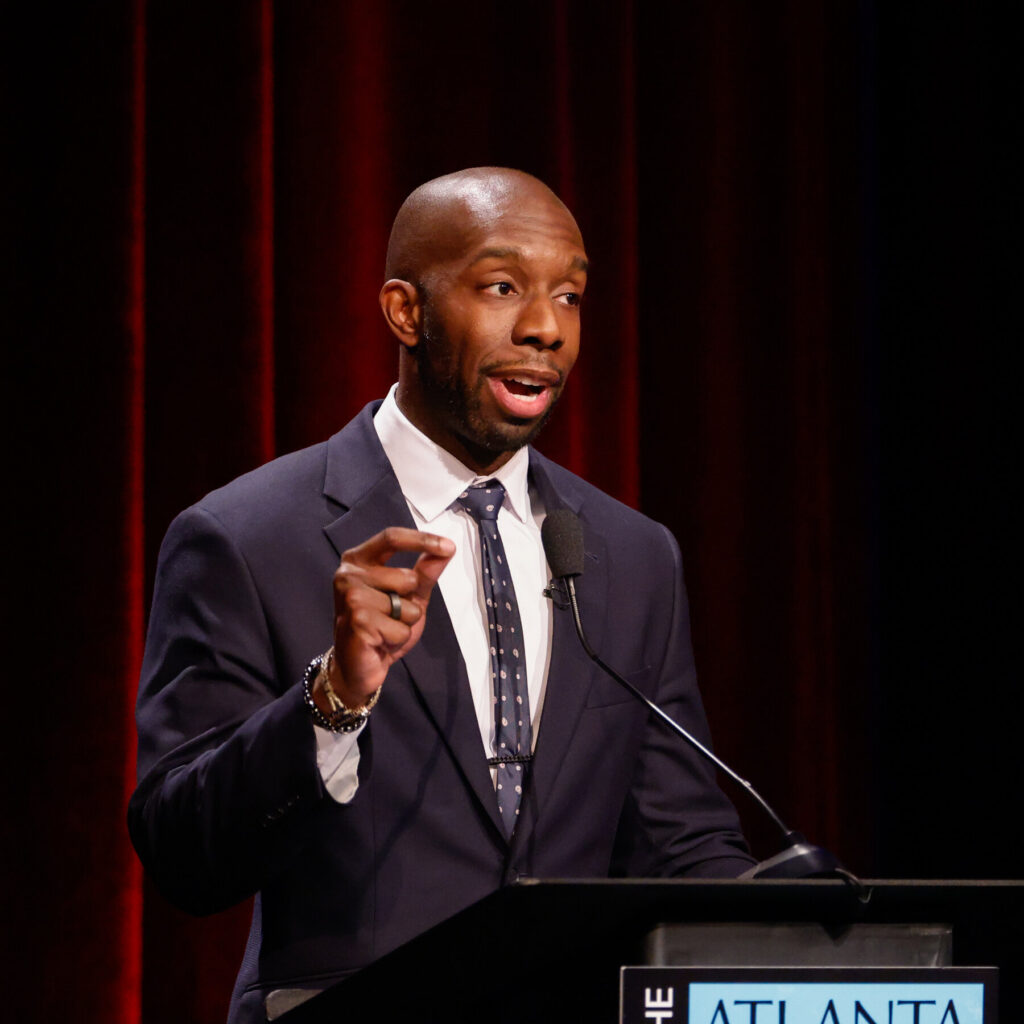
The recent special election runoff in Georgia's 13th Congressional District has delivered more than just a temporary replacement for a vacant seat; it has highlighted evolving political landscapes in one of America's most dynamic metropolitan areas. Everton Blair Jr.'s win over Marcye Scott, the daughter of the late Representative David Scott, underscores how suburban Atlanta is becoming a bellwether for national trends in diversity, education policy, and consumer-driven politics. For businesses and investors monitoring regional shifts, this outcome offers insights into changing voter priorities that could influence everything from retail strategies to procurement opportunities in the procurement opportunities in the Southeast.
Georgia's 13th Congressional District, encompassing significant portions of Gwinnett County and eastern Atlanta suburbs, has long been recognised as a Democratic stronghold. However, the manner of Everton Blair Jr.'s victory—overcoming an initial deficit in the July all-party primary to win the August runoff—reveals nuanced shifts within the electorate. Blair's campaign emphasised his experience as former chairman of the Gwinnett County Board of Education, focusing on public school funding, teacher retention, and access to extracurricular programmes. These issues resonated strongly with suburban families concerned about educational quality and community safety, factors that directly influence household spending patterns and local business viability.
For retailers and service providers operating in the area, the election outcome signals continued demand for community-oriented brands that align with values around inclusivity and public investment. Companies involved in educational technology, school supplies, or youth programmes may find renewed opportunities to engage with local stakeholders through public-private partnerships or targeted procurement initiatives. Moreover, Blair's focus on constituent service suggests a legislative approach that prioritises accessible government—a trait that could streamline interactions with federal agencies for businesses seeking contracts or navigating regulatory frameworks.
The district's economic profile, marked by a growing middle class and increasing diversity, mirrors broader trends in Sun Belt suburbanisation. As more professionals relocate to Atlanta for opportunities in technology, logistics, and healthcare, local economies are adapting to serve populations that value both economic progressiveness and social inclusivity. This duality creates a unique market environment where traditional Southern business models are being re-evaluated through lenses of equity and innovation.
Blair's election as the first openly gay man to represent Georgia in Congress carries significance that extends beyond symbolism. In a state where LGBTQ+ rights have historically faced legislative challenges, this milestone reflects changing social attitudes, particularly among younger voters and suburban residents. National data shows that LGBTQ+-friendly businesses often experience stronger customer loyalty and employee retention, suggesting that Blair's victory could encourage greater corporate investment in diversity initiatives across Georgia and the wider Southeast.
From a procurement perspective, federal contractors and suppliers should note that Blair's presence in Washington—even for a brief tenure—may influence how equality and inclusion criteria are applied in upcoming bid evaluations. While his term is limited to the final months of the current Congress, his committee assignments and voting record could contribute to broader Democratic caucus positions on workforce diversity, supplier diversity programmes, and equitable access to federal grants. Businesses preparing bids for government work would be well-advised to review their own diversity metrics and community engagement strategies in anticipation of evolving expectations.
The ripple effects of such representation extend to consumer-facing industries. Market research indicates that inclusive branding not only broadens appeal but can also command premium perception among certain demographics. For companies in sectors ranging from retail to real estate, aligning with values demonstrated by electoral outcomes like Blair's may enhance market positioning, particularly in urban/suburban corridors where purchasing power is increasingly driven by socially conscious consumers.
Although Blair's service will be limited to the remainder of the current congressional term—ending when the new Congress convenes in January 2027—his role is far from ceremonial. As a voting member of the House, he will participate in floor votes on any legislation introduced before the adjournment, potentially impacting bills related to education funding, healthcare access, or economic development. His background in school governance positions him to offer informed perspectives on legislation affecting public education, a sector that represents significant spending both publicly and privately.
Blair's decision not to seek the November general election for a full term means the Democratic Party will nominate another candidate to compete for the seat starting in January. This open field presents opportunities for new voices to emerge, potentially bringing fresh perspectives on issues such as infrastructure investment, small business support, and workforce training—all areas with direct relevance to commercial activity. For businesses monitoring the district, the interim period offers a chance to engage with Blair's office on constituent concerns while also beginning to build relationships with prospective candidates ahead of the primary season.
The special election also highlights the mechanics of vacancy fills in deeply partisan districts. With Republican candidates facing minimal prospects in the 13th District, the real contest unfolded within the Democratic primary, where name recognition, local service records, and policy platforms determined the outcome. This dynamic reinforces the importance of grassroots engagement and community trust—factors that businesses would do well to mirror in their own local outreach efforts, whether through sponsorships, employment initiatives, or civic partnerships.
The special election in Georgia's 13th Congressional District offers more than a footnote in political history; it provides a window into the changing face of American suburbia and its growing influence on national trends. Everton Blair Jr.'s historic victory reflects not only progress in LGBTQ+ representation but also the power of localised, service-oriented campaigning in diverse, educated communities. For businesses, consultants, and market observers, the outcome reinforces the importance of aligning with community values—particularly around education, inclusivity, and accessible governance—as key drivers of long-term success in dynamic markets like metropolitan Atlanta. As the district prepares to elect a representative for a full term beginning in January 2027, the lessons from this runoff will continue to resonate across sectors seeking to understand and thrive in an evolving socioeconomic landscape.
Originally reported by nytimes.com. Adapted for our readers with AI assistance.
Keep reading
Business
Nigeria's economic landscape in the second quarter of 2026 presents a mixed picture of fiscal press...
Business
Liverpool manager Andoni Iraola is confronting a significant selection headache as two key forwards, Cod...
News
Health News tamfitronics [Editor’snote:[Editor’snote: This transcript was generated using both transcription ...
TAMFIS NIG LTD
Electrical and instrumentation engineering, bid preparation and consulting, IT and software.