
Business
Nigeria’s Economic Performance: Domestic Debt Rise and Agriculture Trade Shift in Q2 2026
Nigeria's economic landscape in the second quarter of 2026 presents a mixed picture of fiscal press...
TAMFIS NIG LTDRC 8067447CAC ACTIVEFinima, Bonny Island, Rivers State

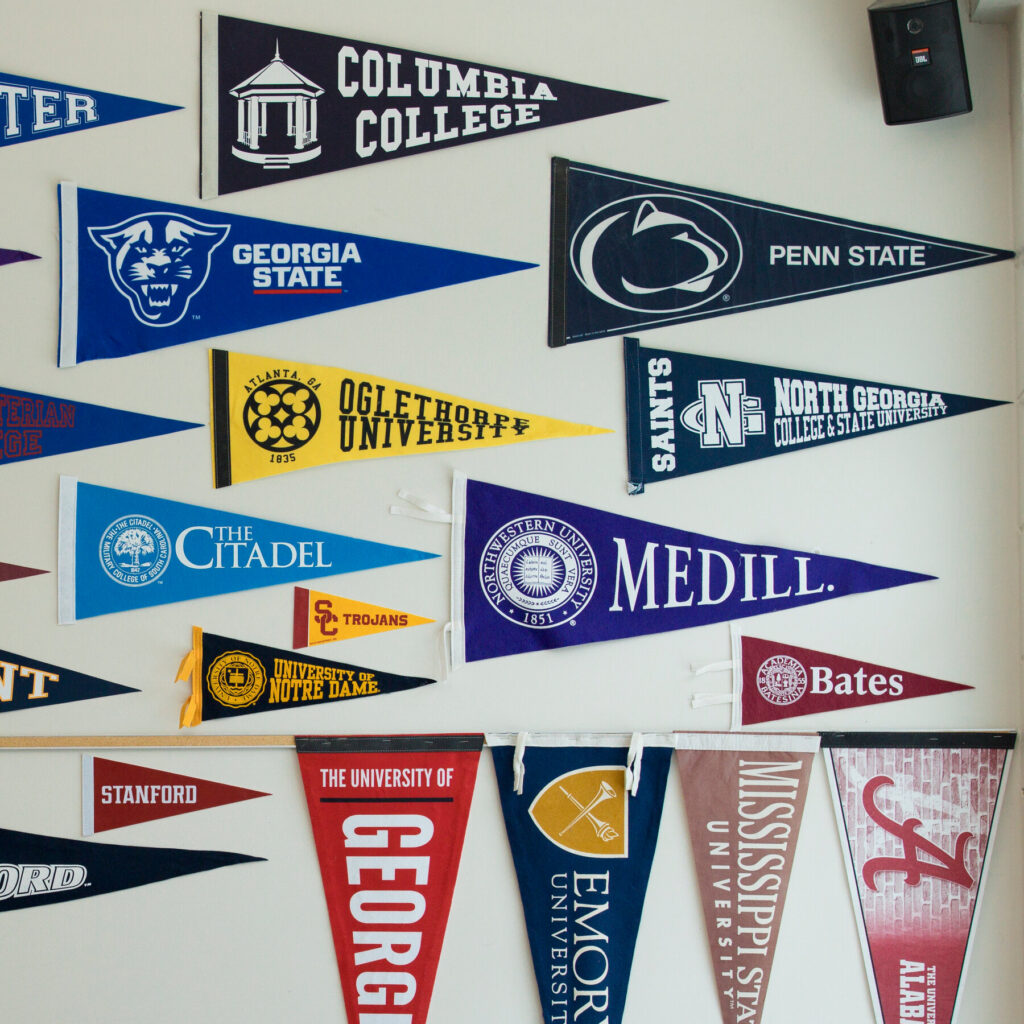
College admissions are once again in flux. After loosening requirements during the Covid era, some schools are shaking up admissions again, facing pressure from the Trump administration, A.I. and even their own professors. These pressures are forcing institutions to rethink how they evaluate applicants, what materials they require, and what signals they trust when deciding who gets in. For students, families, and educators, the changes add another layer of uncertainty to an already stressful process.
The Covid-19 pandemic disrupted nearly every part of campus life, and admissions was no exception. Testing centers closed, travel stopped, and high school grading policies shifted. In response, many colleges loosened requirements during the Covid era. Some dropped standardized test mandates, others extended deadlines, and many embraced more flexible review processes.
Those changes were originally framed as temporary fixes to extraordinary circumstances. But they quickly became the new normal. Applicants adjusted their strategies. Counselors rewrote advice. And colleges discovered that they could build a class without some of the traditional gatekeeping tools.
Now the landscape is shifting once more. After loosening requirements during the Covid era, some schools are shaking up admissions again. Whether they are reinstating old rules, creating new ones, or searching for a middle ground, the direction is no longer uniform. Institutions that moved in lockstep during the pandemic are now diverging, with each campus making its own calculation about what admissions should look like in a post-pandemic, politically charged, technologically transformed environment.
One source of pressure comes from the Trump administration. Federal policy can shape admissions through enforcement actions, guidance documents, public statements, and funding considerations. When an administration signals that it disapproves of certain practices, colleges must weigh legal risk, public perception, and institutional values before announcing or defending their policies.
The Trump administration's stance has put particular emphasis on merit-based language and skepticism toward policies that some critics view as lowering standards or introducing political considerations into selection. That pressure does not rewrite every policy overnight, but it creates an environment in which schools must defend their choices more explicitly than before. Admissions deans may find themselves explaining decisions to trustees, legislators, and the public in ways they did not have to a decade ago.
For admissions offices, this means more internal review, more legal consultation, and more careful messaging. The goal is to comply with federal expectations while still recruiting a diverse and talented student body. Balancing those objectives is not easy, and different campuses will land in different places depending on their history, mission, and political environment.
Artificial intelligence has added another complication. Tools that can draft essays, polish personal statements, and simulate interviews are now widely available. For admissions officers, the question is no longer whether applicants will use A.I., but how to detect its influence and whether traditional application materials still measure what they are supposed to measure.
The A.I. challenge touches every stage of the process. Essays may be generated or edited by large language models. Recommendation letters can be drafted with automated assistance. Even the way students research and contact colleges can be mediated by algorithms. This makes it harder to distinguish between authentic student voice and machine output, and it raises concerns about fairness for students who cannot afford premium A.I. tools.
Colleges are responding in different ways. Some are reconsidering the weight they assign to written components. Others are exploring new assessment formats, interviews, or verification steps. A few are asking applicants to certify that their essays are their own. None of these solutions is perfect, but the pressure to adapt is real, and it is likely to grow as A.I. becomes more capable and more common.
Internal pressure matters too. Faculty members have begun pushing back against admissions practices they see as misaligned with academic standards. Professors argue that if admissions criteria drift too far from demonstrated ability, the students who arrive in their classrooms may be less prepared for the work ahead.
This pressure from their own professors creates tension. Admissions offices are often focused on enrollment targets, institutional reputation, and student composition. Faculty, by contrast, are focused on classroom performance, research readiness, and long-term academic success. When those priorities clash, the debate over who should be admitted becomes a debate over what the college is for and whom it serves.
In some cases, professors want more emphasis on standardized metrics or subject-specific preparation. In others, they question whether certain policies actually help students once they enroll. Either way, the faculty voice adds another constituency that admissions leaders must consider, especially when enrollment decisions affect curriculum, advising, and student outcomes.
For students applying to college, the confusion is practical. Requirements vary from school to school. Test-optional, test-required, and test-flexible policies coexist. Essay prompts and recommendation rules differ. And the role of A.I. in preparing application materials remains largely unregulated and poorly understood.
The best response is to read each institution's instructions carefully, to present work that reflects genuine learning and growth, and to stay alert for policy changes. Because schools are shaking up admissions again, a strategy that worked last year may not work this year. Students should build flexible lists of colleges, track deadlines closely, and be ready to explain their own story in their own words, whatever the format.
Families and counselors also need to recalibrate. Old assumptions about what colleges want may no longer hold. The admissions process is becoming more customized and less predictable, which means more research, more communication, and more adaptability. What one college rewards, another may ignore, so personalized guidance matters more than generic checklists.
After loosening requirements during the Covid era, some schools are shaking up admissions again, facing pressure from the Trump administration, A.I. and even their own professors. The result is a period of experimentation and debate. No single policy has won the day, and the only clear trend is that the old consensus has broken apart. For everyone involved, the task now is to pay close attention, ask hard questions, and remember that admissions policies are never just administrative details. They express what a college believes it is for and what it expects from the students it invites to join.
Originally reported by nytimes.com. Adapted for our readers with AI assistance.
Keep reading
Business
Nigeria's economic landscape in the second quarter of 2026 presents a mixed picture of fiscal press...
Business
Liverpool manager Andoni Iraola is confronting a significant selection headache as two key forwards, Cod...
News
Health News tamfitronics [Editor’snote:[Editor’snote: This transcript was generated using both transcription ...
TAMFIS NIG LTD
Electrical and instrumentation engineering, bid preparation and consulting, IT and software.