
Business
Nigeria’s Economic Performance: Domestic Debt Rise and Agriculture Trade Shift in Q2 2026
Nigeria's economic landscape in the second quarter of 2026 presents a mixed picture of fiscal press...
TAMFIS NIG LTDRC 8067447CAC ACTIVEFinima, Bonny Island, Rivers State

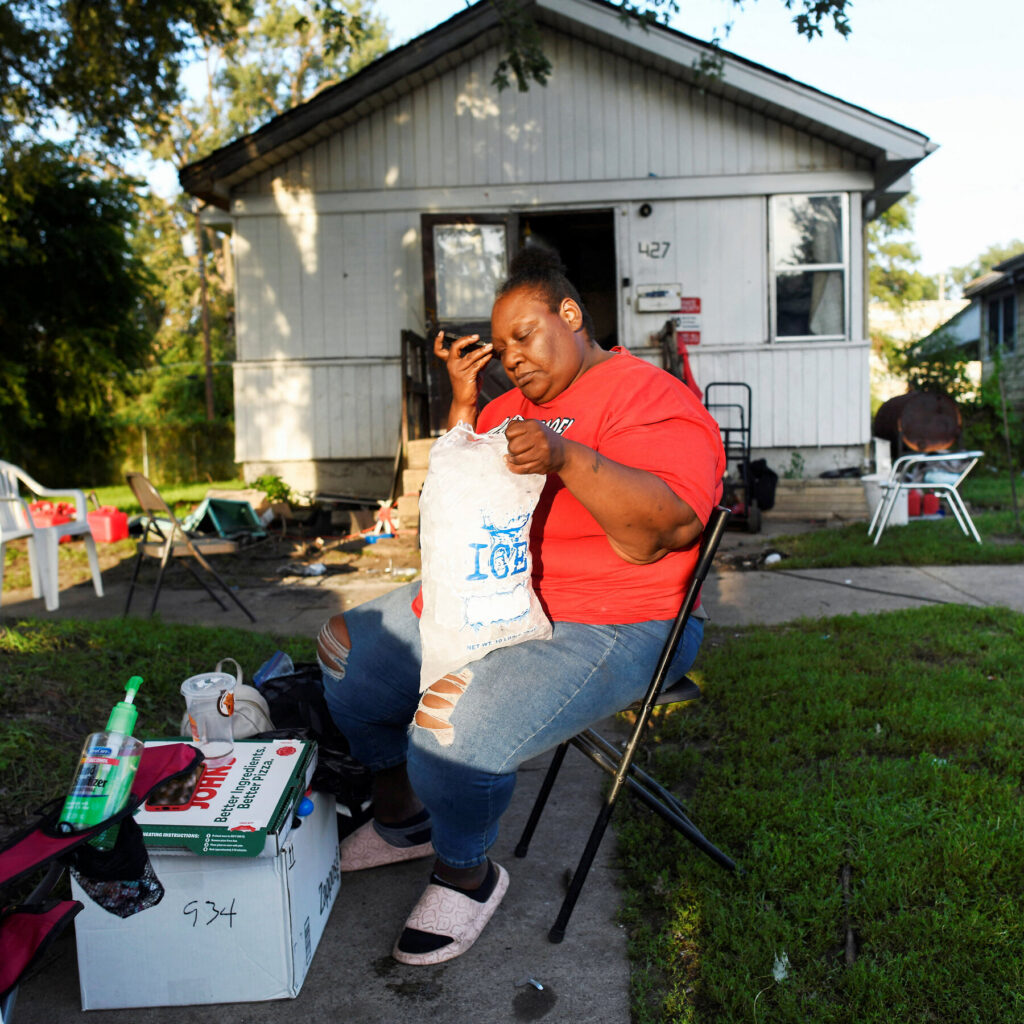
Powerful thunderstorms unleashed catastrophic flooding across Gary, Indiana, leaving thousands of residents without electricity for ten consecutive days. The disaster has exposed deep vulnerabilities in both physical infrastructure and social safety nets, particularly in a city where approximately one-third of the population lives below the federal poverty line. Utility crews continue working around the clock, but full power restoration is not expected until next week, meaning the total outage duration will exceed two weeks for many households.
Powerful thunderstorms unleashed catastrophic flooding across Gary, Indiana, leaving thousands of residents without electricity for ten consecutive days. The disaster has exposed deep vulnerabilities in both physical infrastructure and social safety nets, particularly in a city where approximately one-third of the population lives below the federal poverty line. Utility crews continue working around the clock, but full power restoration is not expected until next week, meaning the total outage duration will exceed two weeks for many households.
The thunderstorms that struck the region delivered rainfall volumes that overwhelmed drainage systems and natural waterways alike. Low-lying neighborhoods experienced rapid inundation, with floodwaters reaching heights that submerged electrical equipment, transformers, and substations. The flooding's geographic extent complicated initial damage assessments, as emergency personnel could not safely access many affected areas for days. This delay meant that the full scope of electrical infrastructure damage remained unknown during the critical first 48 to 72 hours, when restoration planning is most effective.
Gary's demographic and economic profile magnifies the disaster's human toll. With roughly 33 percent of residents living below the poverty line, many households lack the financial reserves to weather extended displacement, replace spoiled food and medications, or secure temporary housing. The city's aging housing stock, much of it built before modern flood-resilience standards, suffered disproportionate structural damage. Residents with chronic health conditions face particular peril when refrigeration-dependent medications spoil and electrically powered medical devices become unusable. These intersecting vulnerabilities transform a utility outage into a cascading public health emergency.
The restoration timeline reflects the complexity of repairing flood-damaged electrical infrastructure. Unlike wind or ice damage, where broken poles and downed lines can be replaced relatively quickly, flood damage requires comprehensive inspection, cleaning, and testing of every submerged component before re-energization. Substations that took on water must be completely dried, their control systems diagnosed, and protective relays recalibrated. Transformers that were submerged often require replacement rather than repair. Each step carries safety implications; re-energizing damaged equipment risks catastrophic failure, fire, or injury to line workers and the public. The utility's commitment to a restoration target of next week represents an aggressive but necessary pace given the human stakes.
Local emergency management agencies, supplemented by state and federal resources, have established cooling centers, charging stations, and distribution points for water, ice, and non-perishable food. However, the geographic dispersion of affected residents—many without reliable transportation—limits the reach of these services. Community organizations and faith-based groups have mobilized to check on elderly and disabled neighbors, but their capacity is stretched thin by the outage's duration. The discrepancy between official resource deployment and on-the-ground accessibility highlights a persistent gap in disaster response planning for high-poverty urban areas.
The extended outage compounds existing economic fragility. Small businesses, particularly restaurants and grocers, face total inventory loss and extended closure without revenue. Hourly workers lose wages when workplaces cannot operate. For families already navigating poverty, these income disruptions can trigger housing instability, utility arrears, and debt cycles that persist long after power returns. The economic recovery timeline for Gary's most vulnerable residents will likely extend months beyond the restoration of electrical service.
This event underscores systemic issues in infrastructure planning and investment. Electrical systems designed decades ago did not account for the frequency and intensity of extreme rainfall events now becoming commonplace. Hardening substations against flooding, elevating critical equipment, and implementing grid segmentation to limit outage scope require capital investment that regulated utilities often struggle to justify to ratepayers and regulators. Yet the cost of repeated, prolonged outages—in human suffering, economic loss, and emergency response expenditures—argues for proactive resilience investment, especially in communities least equipped to absorb disaster impacts.
Ten-day power outage in Gary, Indiana, caused by flood damage from severe thunderstorms
Full restoration not expected until next week, extending total outage beyond two weeks
Approximately one-third of Gary residents live below the poverty line, amplifying vulnerability
Flood-damaged electrical infrastructure requires extensive inspection and testing before safe re-energization
Extended outages create cascading health, economic, and housing crises in high-poverty communities
Infrastructure resilience investment must prioritize communities with least capacity to recover
The crisis unfolding in Gary represents more than a utility failure; it reveals how climate-driven extreme weather intersects with structural inequality to produce disproportionate suffering. Ten days without power in a flood-devastated city where a third of residents live in poverty is not merely an inconvenience—it is a humanitarian emergency that tests the adequacy of our disaster response systems, infrastructure investment priorities, and social safety nets. As restoration crews work toward next week's target, the deeper work of building resilience that protects the most vulnerable must begin immediately. The measure of recovery will not be simply whether lights return, but whether Gary emerges with infrastructure and support systems capable of withstanding the next storm without leaving its poorest residents in the dark.
The crisis unfolding in Gary represents more than a utility failure; it reveals how climate-driven extreme weather intersects with structural inequality to produce disproportionate suffering. Ten days without power in a flood-devastated city where a third of residents live in poverty is not merely an inconvenience—it is a humanitarian emergency that tests the adequacy of our disaster response systems, infrastructure investment priorities, and social safety nets. As restoration crews work toward next week's target, the deeper work of building resilience that protects the most vulnerable must begin immediately. The measure of recovery will not be simply whether lights return, but whether Gary emerges with infrastructure and support systems capable of withstanding the next storm without leaving its poorest residents in the dark.
Originally reported by nytimes.com. Adapted for our readers with AI assistance.
Keep reading
Business
Nigeria's economic landscape in the second quarter of 2026 presents a mixed picture of fiscal press...
Business
Liverpool manager Andoni Iraola is confronting a significant selection headache as two key forwards, Cod...
News
Health News tamfitronics [Editor’snote:[Editor’snote: This transcript was generated using both transcription ...
TAMFIS NIG LTD
Electrical and instrumentation engineering, bid preparation and consulting, IT and software.