
Business
Nigeria’s Economic Performance: Domestic Debt Rise and Agriculture Trade Shift in Q2 2026
Nigeria's economic landscape in the second quarter of 2026 presents a mixed picture of fiscal press...
TAMFIS NIG LTDRC 8067447CAC ACTIVEFinima, Bonny Island, Rivers State

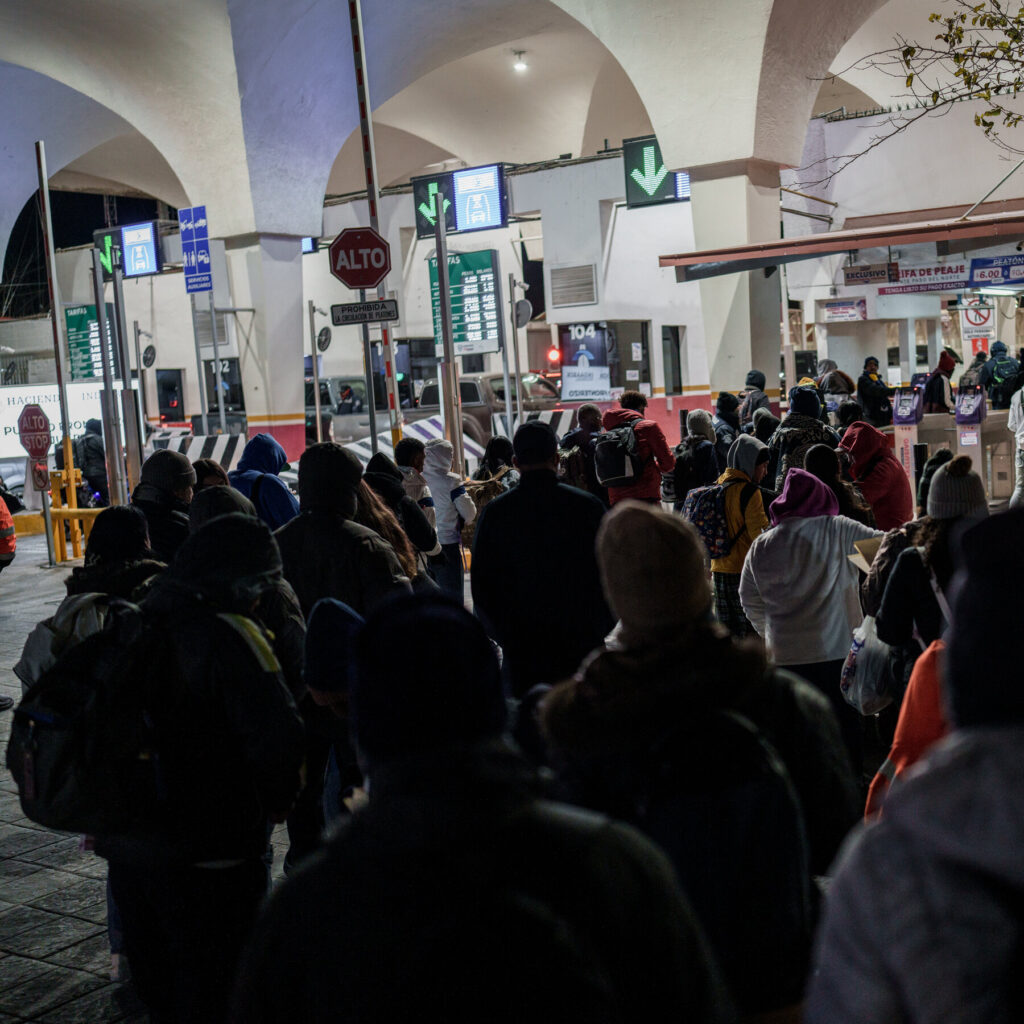
The Trump administration has abandoned a proposal that had not been made public: an effort to recruit lawyers from the Department of Defense to represent unaccompanied migrant children in immigration proceedings. Because the plan was never disclosed, its full scope, timing, and the number of attorneys who might have been involved remain unknown. What is clear from the source account is that officials considered the idea and then decided against it, leaving the administration's approach to vulnerable minors uncertain. The reversal arrives at a moment of growing confusion over how the federal government is safeguarding the rights of children who cross the border without a parent or legal guardian. With no official explanation for the change, the episode raises immediate questions about who proposed the plan, why it was set aside, and what alternatives, if any, the administration will pursue to ensure that these children are treated fairly under U.S. law.
According to the available source notes, the administration had considered using attorneys from the Pentagon to represent migrant children. The plan was never announced to the public before officials decided to scrap it.
The reversal means the proposal will not move forward, at least for now. It is unclear which office or agency developed the idea, who reviewed it, or who made the final decision to abandon it.
The decision comes as observers express mounting confusion about how the administration is protecting the rights of unaccompanied minors. Without a public statement, the reasons behind both the proposal and its reversal remain a matter of speculation.
Because the plan was not publicly disclosed while it was under consideration, Congress, immigration advocates, and the public had no opportunity to evaluate it before it was dropped.
The lack of transparency also means there is no formal record of the proposal's legal basis, potential cost, or operational requirements. This makes oversight difficult and limits the ability to assess whether similar ideas could resurface later.
When major policy changes affecting children are debated entirely inside the executive branch, they can move forward or be abandoned without the scrutiny that normally accompanies public rulemaking or congressional review.
Assigning Defense Department attorneys to represent migrant children would have been an unusual step. Pentagon lawyers typically handle military legal matters, such as operational law, administrative disputes, and contract issues, rather than immigration cases.
The very fact that officials looked to the Defense Department for legal help suggests that the administration perceived a need or gap in representation for unaccompanied minors. It also hints at the difficulty of finding enough qualified attorneys willing or able to take on these cases.
Because no details were released, it is impossible to know whether the plan was intended as a small pilot program, a broader deployment, or a response to a specific court deadline or backlog.
Unaccompanied minors are among the most vulnerable individuals in the immigration system. They often appear in court alone, facing decisions that can affect whether they are allowed to remain in the United States or are returned to their home countries.
Although the source notes do not specify particular cases or outcomes, they emphasize that confusion is mounting about how the administration is protecting these children's rights. That uncertainty alone is significant, because it signals a lack of clear policy guidance.
Any change to how these minors obtain legal advice can affect their ability to understand the charges against them, present evidence, and seek forms of relief for which they may be eligible.
The reversal leaves several important questions unanswered. It is not known why the plan was developed, why it was abandoned, or whether some version of it could still be revived under a different structure.
The episode also highlights broader concerns about transparency in immigration policymaking. When proposals involving vulnerable children are considered in secret, the public has little ability to judge whether officials are acting in the minors' best interests.
Until the administration explains its decision, the matter will likely remain a focal point for those watching how the rights of unaccompanied minors are being protected.
Legal representation for unaccompanied minors has long been a difficult issue. Government resources are limited, and the number of children in immigration proceedings can fluctuate sharply in response to border conditions and policy changes.
The consideration of Pentagon lawyers fits into a larger pattern of administrative shifts affecting immigration enforcement and the treatment of minors. Without more facts, however, it is hard to say whether the proposal would have expanded access to counsel or created new conflicts of interest and logistical problems.
What remains evident is that any change affecting how unaccompanied minors are represented carries implications for due process, child welfare, and public confidence in the immigration system.
The decision to drop the undisclosed plan to use Pentagon attorneys for unaccompanied migrant children does not resolve the broader uncertainty surrounding the administration's treatment of those minors. While the reversal removes one possible approach to legal representation, it leaves unanswered why the idea arose in the first place and what, if anything, will replace it. As confusion continues over how the government is protecting these children's rights, advocates, lawmakers, and the courts are likely to keep pressing for clearer answers. Until the administration provides a fuller explanation, the episode stands as a reminder that even internal policy discussions about the most vulnerable migrants can shape public trust and demand for accountability.
Originally reported by nytimes.com. Adapted for our readers with AI assistance.
Keep reading
Business
Nigeria's economic landscape in the second quarter of 2026 presents a mixed picture of fiscal press...
Business
Liverpool manager Andoni Iraola is confronting a significant selection headache as two key forwards, Cod...
News
Health News tamfitronics [Editor’snote:[Editor’snote: This transcript was generated using both transcription ...
TAMFIS NIG LTD
Electrical and instrumentation engineering, bid preparation and consulting, IT and software.