Remembering Zhu Rongji: Nostalgia for a More Hopeful Era in China’s Modern History
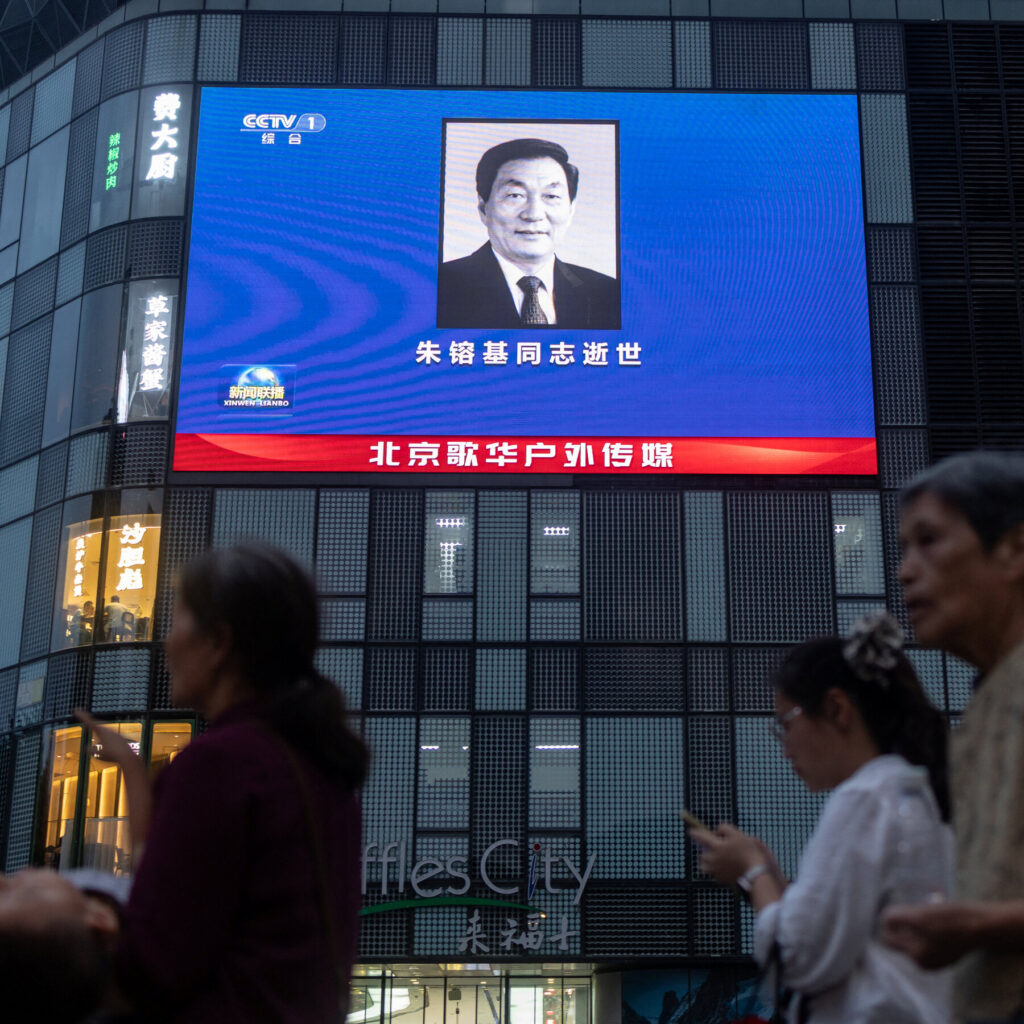
The recent death of Zhu Rongji, former Premier of China, has prompted an outpouring of tributes that reveal a deep nostalgia for a transformative chapter in Chinese history. Zhu’s tenure in the late 1990s and early 2000s was marked by bold economic reforms and a determined effort to open China to the global community. Many remember this period as one when China’s future seemed especially promising, characterized by rapid growth and increasing international engagement. This article explores the significance of the widespread mourning, the enduring legacy Zhu leaves behind, and what this collective reflection reveals about contemporary perceptions of China’s trajectory amid present-day challenges.
Remembering Zhu Rongji: Nostalgia for a More Hopeful Era in China’s Modern History
Zhu Rongji’s Leadership and Economic Reform
Zhu Rongji served as China’s Premier from 1998 to 2003, a pivotal era during which the country underwent profound economic transformation. His leadership is widely credited with accelerating market-oriented reforms that modernized China’s economy and improved government efficiency. Zhu was known for his pragmatic and sometimes tough approach, focusing on combating corruption, restructuring state-owned enterprises, and streamlining bureaucracy to foster a more dynamic economic environment.
One of Zhu’s most significant achievements was overseeing China’s accession to the World Trade Organization (WTO) in 2001. This milestone marked China’s formal integration into the global trading system and opened new avenues for international commerce and investment. The WTO entry was both a symbol and a catalyst for China’s increasing engagement with the world economy, signaling a commitment to abide by global trade rules and standards.
Under Zhu’s stewardship, China experienced rapid economic growth, which contributed to lifting millions out of poverty and expanding the middle class. His reforms laid the groundwork for China’s emergence as a global economic powerhouse. Zhu’s emphasis on pragmatic governance and structural reform created conditions conducive to sustained development, even as the country faced complex internal and external challenges.
A Time of Openness and Optimism
The era of Zhu Rongji’s premiership is often remembered as a period when China was more open to the world, and its future appeared especially bright. This openness was multifaceted, encompassing economic liberalization, cultural exchange, and diplomatic engagement. During this time, China actively sought to integrate with the global community, participating more fully in international institutions and fostering cross-border cooperation.
Domestically, Zhu’s reforms encouraged innovation and entrepreneurship, helping to create a more dynamic society. The economic policies of the period supported the growth of private enterprises and foreign investment, fueling technological advancement and urban development. This environment generated a palpable sense of hope among many Chinese citizens, who saw opportunities for upward mobility and improved living standards.
Internationally, China’s increasing openness helped reshape perceptions of the country. Zhu’s leadership coincided with a period when China was viewed by many as a rising power with a constructive role to play in global affairs. This optimism extended beyond economics to encompass cultural and diplomatic realms, as China expanded its global footprint and engaged in multilateral dialogues.
Nostalgia Amid Contemporary Challenges
The widespread mourning following Zhu Rongji’s death reflects not only respect for his leadership but also a deeper nostalgia for a time when China’s direction seemed more certain and hopeful. In recent years, China has faced a series of challenges, including slower economic growth, increased state control over various sectors, and heightened tensions in international relations. These developments have led some to look back at Zhu’s era as a benchmark of effective governance and forward-looking reform.
This nostalgia underscores a yearning for a leadership style that balanced pragmatism with visionary reform, one that embraced both domestic development and global cooperation. Zhu’s tenure is often contrasted with the current climate, where some perceive a retrenchment from openness and a more cautious approach to economic and diplomatic engagement.
For many, remembering Zhu’s era is a way of expressing hope for a renewed commitment to policies that prioritize economic vitality, innovation, and constructive international relationships. It also highlights a desire among certain segments of the population for governance that is transparent, accountable, and focused on tangible improvements in people’s lives.
Legacy and Lessons for the Future
Zhu Rongji’s legacy offers important lessons for China’s policymakers and citizens as the country navigates a complex and evolving landscape. His tenure exemplifies the impact of decisive and pragmatic leadership in driving reforms that can fundamentally reshape a nation’s economic and social fabric.
One key lesson from Zhu’s time in office is the value of engaging constructively with the global community. His commitment to integrating China into the international economic system helped open markets, attract investment, and foster innovation. This approach contrasts with more inward-looking policies and suggests that openness can be a powerful engine for growth and modernization.
Moreover, Zhu’s example shows that embracing difficult reforms—such as restructuring inefficient state enterprises and tackling corruption—can yield long-term benefits. His leadership demonstrated that balancing stability with change is essential for sustainable development. As China confronts new challenges, revisiting Zhu’s strategies may inspire approaches that combine innovation with pragmatic governance.
Ultimately, Zhu Rongji’s legacy is a reminder that transformative progress often requires courage, vision, and a willingness to engage with the world. His era remains a reference point for those advocating for policies that foster economic dynamism, social progress, and international cooperation.
What this means
The death of Zhu Rongji has sparked more than just tributes; it has reignited reflection on a period when China’s future seemed particularly hopeful and its leadership committed to reform and openness. While the country faces complex challenges today, Zhu’s legacy serves as a powerful reminder of the transformative potential of pragmatic governance and global engagement. Understanding this legacy provides valuable context for current debates about China’s path forward and offers insights into how the nation might recapture some of the optimism and dynamism that defined Zhu’s era.
Originally reported by nytimes.com. Adapted for our readers with AI assistance.
Analysis shows Nigeria’s federal education allocation lags regional peers, affecting workforce development and creating opportunities for private sector involvement in training, technology and infrastructure.
As Nigeria commemorates 66 years of independence, the organised private sector urges the government to shift from macroeconomic stabilisation to tangible productivity gains, warning…
Etihad Airways is considering legal steps against the Premier League after an independent commission found Manchester City guilty of 114 financial rule breaches. The…