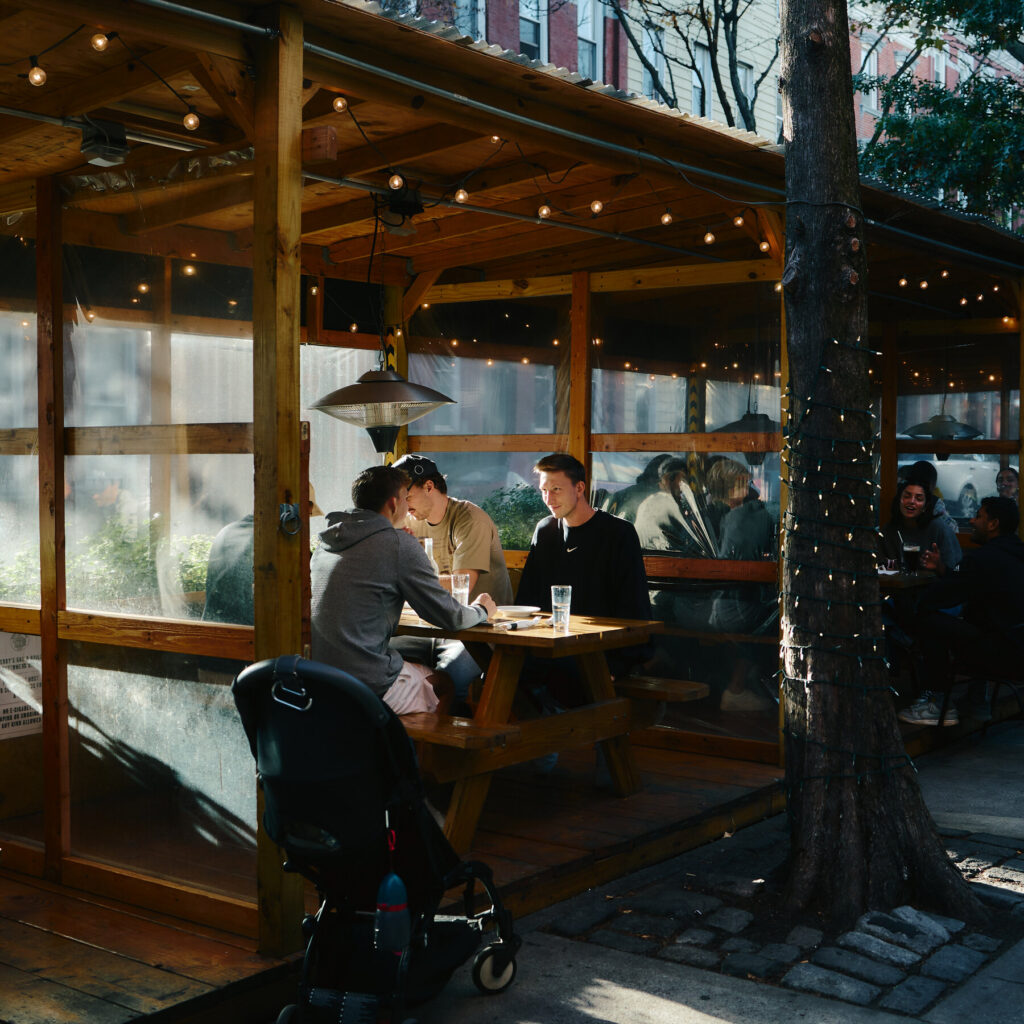
New York City Prepares to Make Outdoor Dining a Year-Round Fixture
Outdoor dining became a defining feature of New York City's response to the COVID-19 pandemic, transforming streets and sidewalks into lively restaurant spaces. Initially introduced as a temporary measure to support restaurants during indoor dining restrictions, these roadway dining structures quickly became popular with patrons and businesses alike. Now, the City Council is poised to approve legislation that would allow outdoor dining to continue year-round, signaling a significant shift in urban dining policy and city life.
New York City Prepares to Make Outdoor Dining a Year-Round Fixture
The Evolution of Outdoor Dining in New York City
When the pandemic struck in early 2020, New York City, like many urban centers, faced unprecedented challenges. Indoor dining was severely restricted to curb virus transmission, threatening the survival of countless restaurants. In response, the city rapidly implemented programs that allowed eateries to expand their seating into streets and sidewalks, creating outdoor dining areas known as "roadway dining structures."
These structures ranged from simple tables and chairs on sidewalks to elaborate enclosures built on parking lanes or even entire roadways. Initially intended as temporary solutions, they quickly became a beloved part of the cityscape, offering safer dining options and contributing to the vibrancy of neighborhoods.
As pandemic restrictions eased, many New Yorkers and business owners expressed a desire to retain outdoor dining options. The structures not only supported economic recovery but also enhanced street life, encouraging pedestrian activity and community engagement.
Legislative Changes to Support Year-Round Outdoor Dining
Recognizing the benefits and popularity of outdoor dining, the New York City Council is moving forward with a package of bills designed to loosen restrictions on these roadway dining structures. The legislation aims to make outdoor dining a permanent, year-round option for restaurants across the city.
Key provisions include easing rules around the size and design of dining enclosures, streamlining permit processes, and allowing for more flexible use of public spaces. By reducing bureaucratic hurdles, the city hopes to encourage more establishments to adopt outdoor dining setups that can operate throughout all seasons.
This legislative effort reflects a broader trend in urban planning that prioritizes pedestrian-friendly environments and supports local businesses. It also acknowledges the changing preferences of diners, many of whom have grown accustomed to and appreciative of the outdoor dining experience, valuing the combination of fresh air and social atmosphere.
Implications for Restaurants and City Residents
For restaurant owners, the ability to offer outdoor dining year-round presents both opportunities and challenges. On the positive side, extended outdoor seating can increase capacity and revenue, especially during peak seasons. It also allows establishments to diversify their dining environments, catering to customers who prefer open-air settings.
However, operating outdoor dining in colder months requires investment in weatherproofing, such as heaters, insulated enclosures, and durable materials to withstand harsh weather conditions. These upgrades can increase operational costs and require careful planning to maintain comfort and safety.
Additionally, restaurants must navigate noise regulations and community concerns related to extended outdoor activity, such as potential disturbances to nearby residents. Balancing business interests with neighborhood quality of life remains a key consideration.
City residents stand to benefit from enhanced street life and increased dining options. Outdoor dining can contribute to neighborhood vitality, making streets more inviting and supporting local economies. Yet, it also necessitates careful management to balance the needs of pedestrians, drivers, and residents, ensuring that public spaces remain accessible and safe throughout the year.
Urban Planning and Community Considerations
The transition to year-round outdoor dining requires thoughtful urban planning to integrate dining structures into the existing streetscape without compromising safety or accessibility. The city must consider factors such as sidewalk width, traffic flow, emergency access, and the overall pedestrian experience when approving dining installations.
Community input is critical in this process. Residents and local businesses often have differing perspectives on outdoor dining, with some welcoming the social and economic benefits, while others raise concerns about noise, litter, congestion, and the impact on neighborhood character.
To address these issues, the legislation includes provisions for community engagement and periodic reviews of outdoor dining programs. This approach aims to create a sustainable balance that supports economic activity while preserving quality of life for all stakeholders.
Moreover, the city is exploring innovative design standards and guidelines to ensure that outdoor dining structures are aesthetically pleasing and harmonize with neighborhood architecture, enhancing the overall urban environment.
Looking Ahead: The Future of Dining in New York City
The anticipated approval of year-round outdoor dining legislation marks a significant milestone in New York City's evolving urban landscape. It signals a commitment to maintaining the innovations born out of crisis and adapting them to long-term city life.
As the city embraces this change, it will likely inspire other metropolitan areas to reconsider their own outdoor dining policies, especially as urban centers seek to revitalize public spaces and support local economies in a post-pandemic world.
The success of such programs depends on collaborative governance, responsive urban design, and ongoing dialogue between city officials, business owners, and residents. Continuous monitoring and flexibility will be essential to address emerging challenges and optimize benefits.
Ultimately, year-round outdoor dining has the potential to redefine how New Yorkers experience their neighborhoods, blending culinary culture with public space in new and dynamic ways. It offers a model for creating more vibrant, inclusive, and resilient urban environments.
What this means
The move to institutionalize year-round outdoor dining in New York City represents a thoughtful evolution of pandemic-era innovations into permanent urban features. By supporting local restaurants and enlivening public spaces, the city is fostering a more vibrant, resilient, and pedestrian-friendly environment. Success will depend on careful planning, community collaboration, and adaptive management to ensure that outdoor dining remains a positive force for all New Yorkers.
Originally reported by nytimes.com. Adapted for our readers with AI assistance.
Global investment banking giant J.P. Morgan is preparing to establish its first merchant banking operation in Nigeria, targeting a pre-year-end 2026 commencement pending regulatory…
Federal Government unveils comprehensive Nutrition 774 Initiative, leveraging schools as primary platforms for tackling child malnutrition through expanded feeding programs, health services, and nutrition…
Analysis shows Nigeria’s federal education allocation lags regional peers, affecting workforce development and creating opportunities for private sector involvement in training, technology and infrastructure.