
Business News
NDLEA Intensifies Operations Against Narcotic Trade and Illegal Trafficking
The National Drug Law Enforcement Agency has arrested multiple suspects and seized significant drug consignments in recent operations across Nigeria.
TAMFIS NIG LTDRC 8067447CAC ACTIVEFinima, Bonny Island, Rivers State

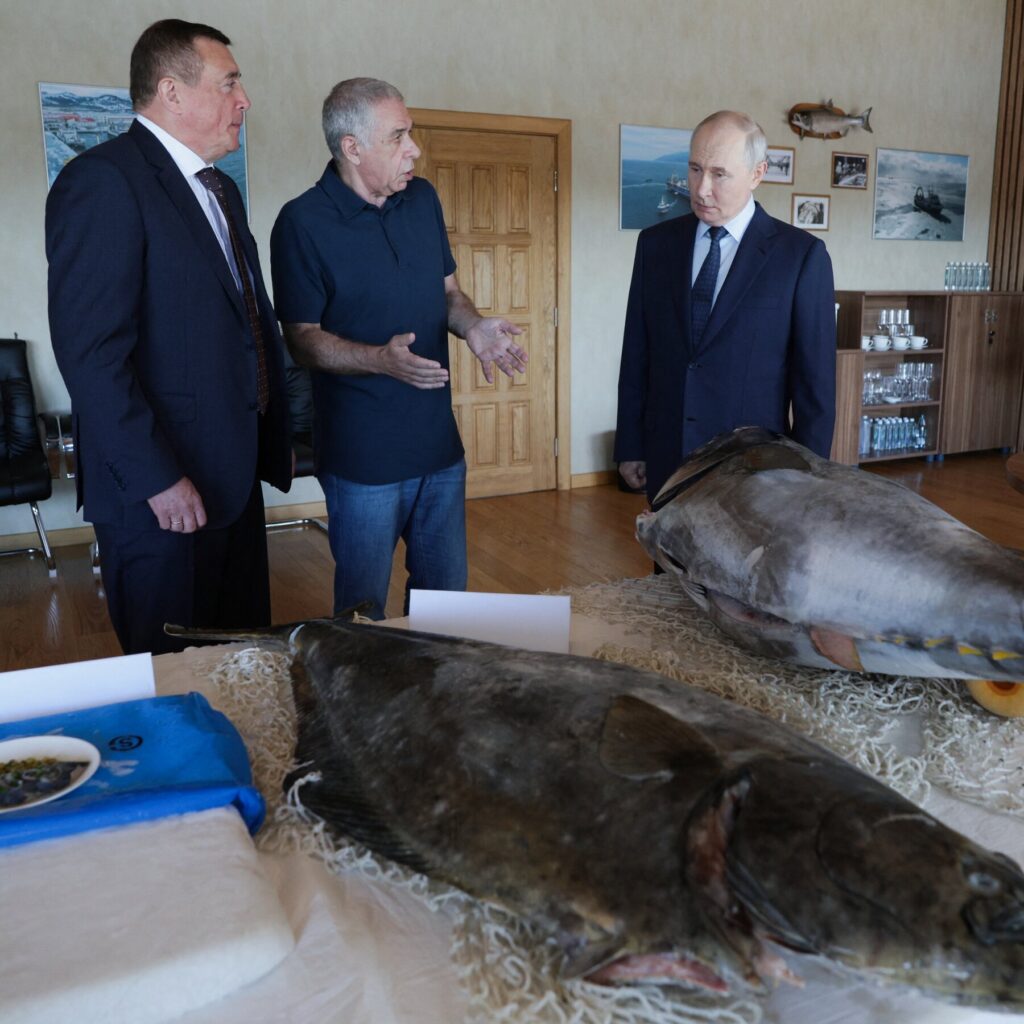
In a move that has reignited a decades-old territorial dispute, Russian President Vladimir Putin visited a group of islands that Japan claims as its own territory. These islands, seized by the Soviet Union at the end of World War II, remain a contentious issue between the two nations. The visit has drawn sharp criticism from Japanese officials, including Prime Minister Sanae Takaichi, who has been vocal against Russia’s policies and actions, especially in the context of the ongoing conflict in Ukraine. This article explores the historical background of the dispute, the recent developments surrounding Putin’s visit, and the broader implications for Japan-Russia relations.
The islands in question, known as the Kuril Islands in Russia and the Northern Territories in Japan, were seized by Soviet forces at the conclusion of World War II. The Soviet Union’s annexation of these islands has never been formally recognized by Japan, which continues to claim sovereignty over them. This unresolved dispute has prevented the two countries from signing a formal peace treaty to officially end World War II hostilities between them.
The islands hold strategic and economic significance, including rich fishing grounds and potential natural resources such as oil and gas reserves. Their location also offers military advantages in the Pacific region, controlling access between the Sea of Okhotsk and the Pacific Ocean. Over the decades, various diplomatic efforts have been made to resolve the dispute, including proposals for joint economic activities and negotiations on sovereignty, but none have resulted in a definitive agreement. The historical grievances remain deeply entrenched, complicating efforts to reach a lasting settlement.
Russian President Vladimir Putin’s recent visit to the islands marks a significant political statement from Moscow. By physically visiting the territories, Putin reaffirmed Russia’s control and sovereignty claims over the islands. This action was perceived by Japan as a provocative gesture that undermines ongoing diplomatic efforts and Japan’s territorial claims.
Prime Minister Sanae Takaichi publicly criticized Putin’s visit, emphasizing Japan’s firm stance against Russia’s actions. Takaichi has been a vocal critic of Russia, particularly condemning the country’s invasion of Ukraine and the resulting sanctions imposed by Japan and its allies. Her response underscores the broader context of strained relations between Tokyo and Moscow, extending beyond the island dispute to include geopolitical disagreements over Ukraine and Russia’s international conduct.
Takaichi’s criticism reflects Japan’s broader policy of opposing Russia’s assertiveness, especially in light of Moscow’s defiance of international norms. The visit thus not only inflames the territorial dispute but also symbolizes the wider diplomatic rift between the two countries.
The visit complicates an already fragile relationship between Japan and Russia. The territorial dispute has long been a stumbling block in their diplomatic engagement, preventing the normalization of relations and the signing of a peace treaty. Putin’s visit signals Moscow’s unwillingness to compromise on this issue, potentially closing doors for future negotiations.
Japan’s criticism of Russia’s actions in Ukraine further exacerbates tensions. Tokyo has aligned itself with Western sanctions against Moscow, which Russia views as hostile. The island dispute, combined with geopolitical disagreements over Ukraine, creates a multifaceted challenge for bilateral relations.
Experts suggest that the visit may harden Japan’s position and reduce the likelihood of concessions in future talks. It also sends a message to the international community about Russia’s determination to maintain control over the territories it seized after World War II. This stance complicates Japan’s efforts to balance its security alliance with the United States and its desire for improved relations with Russia.
The Kuril Islands dispute is not only a bilateral issue but also part of a larger geopolitical landscape in the Asia-Pacific region. Control over these islands affects regional security dynamics, including military presence and alliances. Japan’s alliance with the United States adds another layer of complexity, as Washington supports Tokyo’s territorial claims and regional security interests.
Russia’s assertiveness in the region, exemplified by Putin’s visit, reflects its broader strategy to maintain influence in its near abroad despite international sanctions and diplomatic isolation stemming from the Ukraine conflict. This posture challenges Japan and its allies to balance diplomatic engagement with deterrence.
The ongoing dispute also highlights the difficulties in resolving historical grievances in international relations, especially when they intersect with contemporary geopolitical conflicts. The situation underscores the need for cautious diplomacy to avoid escalation while protecting national interests. Regional actors watch closely, as any escalation could impact the delicate balance of power in the Asia-Pacific.
Resolving the Kuril Islands dispute remains a complex challenge. Past negotiations have included proposals for joint economic activities on the islands without resolving sovereignty, but these have not led to lasting agreements. Putin’s visit suggests that Russia may prioritize maintaining territorial control over compromise.
Japan may continue to pursue diplomatic pressure through international forums and strengthen alliances to counterbalance Russia’s position. At the same time, both countries have economic and security incentives to find common ground, which could motivate future dialogue.
Analysts recommend sustained diplomatic engagement, confidence-building measures, and exploring creative solutions that address both sovereignty and economic interests. However, the current geopolitical climate, influenced by the Ukraine war and global power shifts, makes immediate resolution unlikely. Patience and pragmatic diplomacy will be essential to managing this enduring dispute.
President Vladimir Putin’s visit to the disputed islands seized from Japan during World War II has intensified a long-standing territorial conflict that continues to impede Japan-Russia relations. The move underscores Russia’s firm stance on sovereignty claims while provoking strong criticism from Japan’s government, particularly from Prime Minister Sanae Takaichi. This event occurs against a backdrop of broader geopolitical tensions, including disagreements over the Ukraine war and shifting alliances in the Asia-Pacific region. While the path to resolution remains uncertain, the episode highlights the enduring complexity of historical disputes and the importance of careful diplomatic efforts to manage and potentially resolve them in the future.
Originally reported by nytimes.com. Adapted for our readers with AI assistance.
Keep reading
Business News
The National Drug Law Enforcement Agency has arrested multiple suspects and seized significant drug consignments in recent operations across Nigeria.
Business
Nigerian shoppers are increasingly turning to AI assistants like ChatGPT, Claude and Gemini for product ...
Business
The global developer workforce has undergone a transformative expansion over the past five years, fundam...
TAMFIS NIG LTD
Electrical and instrumentation engineering, bid preparation and consulting, IT and software.