
Politics
How Minnesota Figures Into the Presidential Politics of Insulin Prices
Politics tamfitronics Minnesota Gov. Tim Walz attends a rally in Asheville, North Carolina, on Sept. 17. Minnesota led the way on in...
TAMFIS NIG LTDRC 8067447CAC ACTIVEFinima, Bonny Island, Rivers State

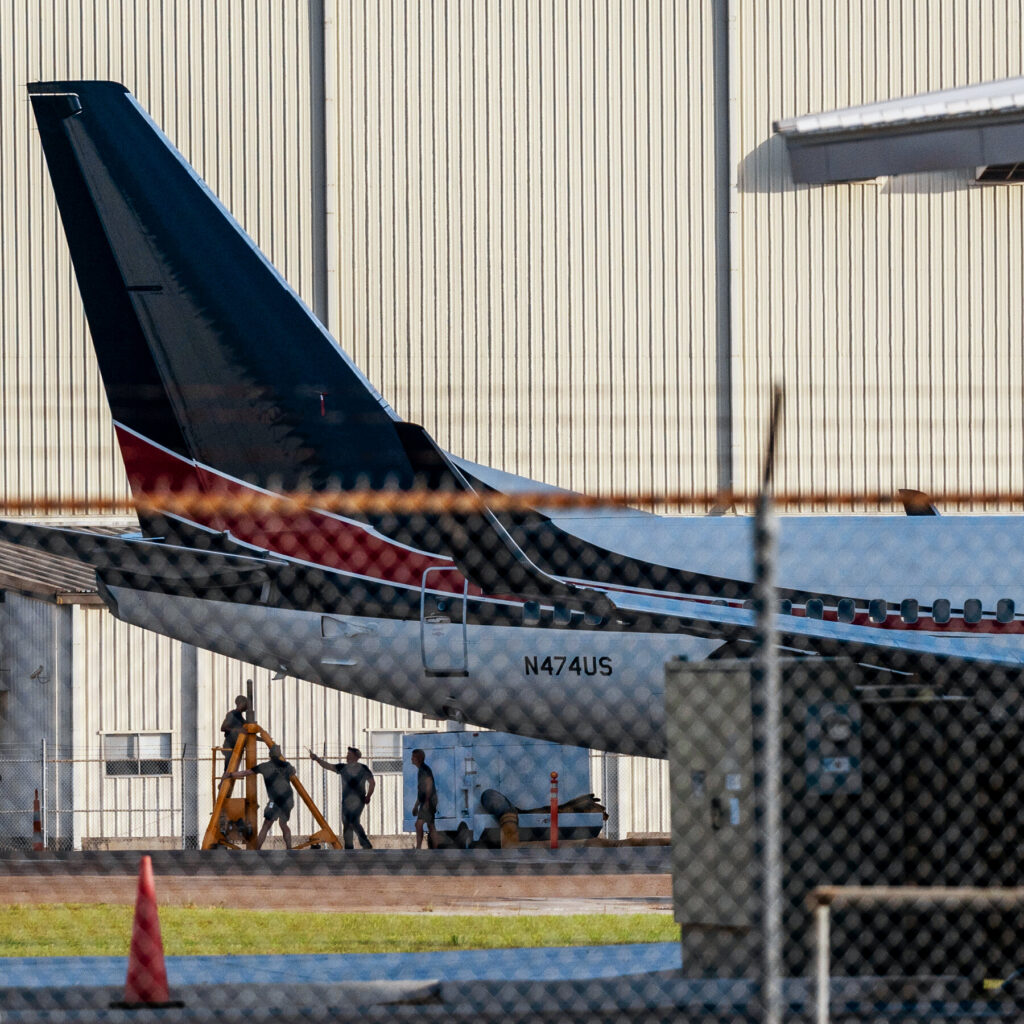
In a move that raised eyebrows across government oversight circles, the Department of Homeland Security (DHS) secured a no-bid contract to acquire ten used airplanes at a cost of $464 million. These jets were intended to expedite deportation flights, addressing what the agency described as an urgent operational need. However, subsequent reports reveal that the majority of these aircraft have remained parked and unused for extended periods. This article explores the context of this acquisition, the factors contributing to the planes’ inactivity, and the lessons that can be drawn about procurement practices and resource management within federal agencies.
In 2026, the Department of Homeland Security moved swiftly to purchase a fleet of ten used jets, paying a total of $464 million. The agency justified the acquisition by citing an urgent need to increase deportation flight capacity amid rising immigration enforcement demands. To expedite the purchase, DHS utilized a no-bid contract, bypassing the competitive bidding process typically required for government procurement.
No-bid contracts are often employed in situations where time is of the essence or when only one supplier can provide the required goods or services. However, these contracts can raise concerns about transparency, cost-effectiveness, and accountability, especially when large sums are involved. In this case, the urgency cited by DHS was linked to the agency’s goal of accelerating deportation operations, which had become a political and operational priority.
The purchased aircraft were used jets, selected presumably for cost savings compared to new planes and for their immediate availability. The DHS planned to deploy these planes primarily for deportation flights, aiming to streamline the transportation of individuals subject to removal orders.
Despite the initial urgency and the significant investment, reports indicate that most of the jets have remained grounded for months following their acquisition. The reasons for this inactivity are multifaceted, including logistical challenges, staffing shortages, regulatory hurdles, and possibly shifts in policy or enforcement priorities.
The gap between the intended use of the aircraft and their actual deployment raises questions about the planning and execution phases of the acquisition. It suggests that while the agency identified a pressing need, it may not have fully accounted for the operational complexities involved in integrating a new fleet into existing systems.
Operating a fleet of jets, especially in a specialized context like deportation flights, requires more than just purchasing the aircraft. It involves securing qualified pilots, maintenance crews, flight scheduling, compliance with aviation regulations, and coordination with other agencies and jurisdictions.
The DHS’s experience highlights how these operational factors can delay or limit the use of new assets. Staffing shortages, particularly among trained pilots cleared for sensitive missions, may have contributed to the planes remaining idle. Additionally, maintenance and safety inspections for used aircraft can be time-consuming, further postponing deployment.
Regulatory compliance is another critical factor. The jets must meet Federal Aviation Administration (FAA) standards and other legal requirements before they can be flown regularly. Any delays in certification or inspections can ground aircraft regardless of their availability.
Furthermore, shifts in immigration enforcement policies or priorities may have influenced the operational tempo, reducing the immediate demand for deportation flights and thereby diminishing the need to use the new jets extensively.
Spending nearly half a billion dollars on aircraft that remain largely unused raises legitimate concerns about fiscal responsibility and oversight. Taxpayer funds are expected to be managed efficiently, especially when allocated to critical government functions.
The use of a no-bid contract intensifies scrutiny, as it limits competitive pricing and external checks that might otherwise ensure better value. Critics argue that the DHS should have conducted a more thorough needs assessment and operational readiness evaluation before committing to such a costly purchase.
Congressional oversight committees and watchdog organizations may investigate the circumstances surrounding the acquisition and the subsequent underutilization of the jets. Such reviews can lead to recommendations for improved procurement protocols and greater transparency in future contracts.
From a broader perspective, this case underscores the challenges federal agencies face in balancing urgent operational demands with prudent fiscal management, particularly in politically sensitive areas like immigration enforcement.
The DHS’s experience with these jets offers valuable lessons for government procurement practices. First, even under urgent conditions, agencies should conduct comprehensive operational readiness assessments to ensure that new assets can be effectively integrated and utilized.
Second, transparency and competitive bidding processes, when feasible, help safeguard public funds and enhance accountability. While no-bid contracts have their place, they should be reserved for truly exceptional circumstances with clear justification.
Third, coordination among various operational units—pilots, maintenance, regulatory bodies, and policy decision-makers—is essential to translate acquisitions into functional capabilities. Early involvement of all stakeholders can identify potential bottlenecks and mitigate delays.
Finally, continuous oversight and post-purchase evaluations can help agencies adjust plans and improve future procurement strategies, ensuring that investments align with actual operational needs and capacities.
The DHS’s acquisition of a fleet of jets intended to enhance deportation flight capacity illustrates the complexities involved in government procurement and operational deployment. While the agency acted under a declared urgent need, the subsequent underutilization of these costly assets reveals gaps in planning and execution. Moving forward, federal agencies must balance the pressures of urgency with rigorous evaluation and coordination to ensure that investments translate into tangible operational improvements. Greater transparency, oversight, and strategic foresight are essential to uphold public trust and maximize the effectiveness of government resources.
Originally reported by nytimes.com. Adapted for our readers with AI assistance.
Keep reading
Politics
Politics tamfitronics Minnesota Gov. Tim Walz attends a rally in Asheville, North Carolina, on Sept. 17. Minnesota led the way on in...
Politics
Nigerian human rights lawyer Deji Adeyanju has joined a Federal Government inquiry into the deaths of 37...
Politics
Democracy, Featured, Global, Global Governance, Headlines, International Justice, IPS UN: Insid...
TAMFIS NIG LTD
Electrical and instrumentation engineering, bid preparation and consulting, IT and software.