
Politics
How Minnesota Figures Into the Presidential Politics of Insulin Prices
Politics tamfitronics Minnesota Gov. Tim Walz attends a rally in Asheville, North Carolina, on Sept. 17. Minnesota led the way on in...
TAMFIS NIG LTDRC 8067447CAC ACTIVEFinima, Bonny Island, Rivers State

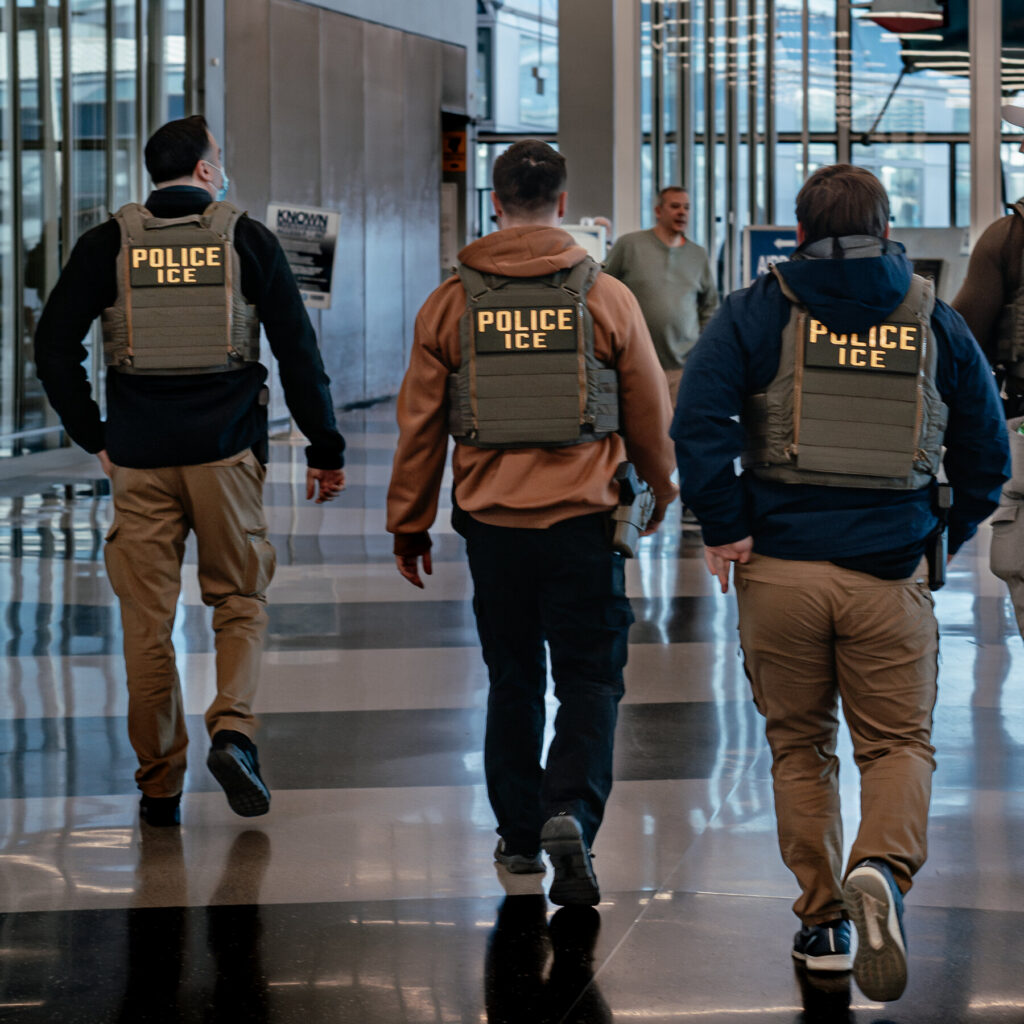
In an effort to enhance law enforcement capabilities, the Department of Homeland Security (DHS) has proposed outfitting Immigration and Customs Enforcement (ICE) officers with gloves that can deliver electric shocks. Marketed as a “de-escalation device,” these gloves are intended to provide agents with a non-lethal means to control potentially volatile situations. However, the plan has ignited controversy among civil rights advocates and legal experts who warn that such technology could inadvertently encourage excessive use of force. This article explores the rationale behind the gloves, the concerns raised, and the broader implications for law enforcement tactics and accountability.
The gloves proposed for ICE officers are designed to deliver an electric shock upon contact, functioning as a tool to subdue or deter individuals without resorting to lethal force. According to the Department of Homeland Security, the gloves serve as a “de-escalation device,” intended to reduce the need for more aggressive interventions during confrontations.
The technology behind the gloves is similar in concept to other non-lethal devices like tasers but is integrated into wearable gear, allowing officers to respond swiftly in close-contact scenarios. The gloves are expected to provide a quick, controlled shock that temporarily incapacitates a person, enabling officers to gain control while minimizing physical injury.
The Department of Homeland Security’s justification for introducing electric shock gloves centers on improving officer safety and reducing harm to both agents and individuals encountered during enforcement activities. By offering a non-lethal alternative, DHS argues that officers can manage confrontations more effectively without escalating to deadly force.
Officials emphasize that the gloves are part of a broader strategy to incorporate innovative technologies aimed at de-escalation. The gloves are intended to be used selectively and under strict guidelines to prevent misuse, with training programs designed to ensure officers understand when and how to deploy the device appropriately.
Despite DHS’s assurances, critics express significant reservations about the introduction of electric shock gloves. Civil rights organizations and legal experts argue that such devices may inadvertently encourage officers to rely more heavily on force rather than pursuing alternative conflict resolution methods.
There is concern that the gloves could be used excessively or in situations where less forceful options would suffice, potentially leading to increased instances of harm or abuse. Critics also highlight the lack of comprehensive data on the long-term effects of repeated electric shocks, raising questions about the safety and ethical implications of deploying such technology.
Moreover, some fear that the gloves could exacerbate existing issues related to accountability and oversight within ICE and other law enforcement agencies, particularly given the agency’s controversial history regarding the treatment of detainees and enforcement practices.
The introduction of electric shock gloves fits into a larger trend of law enforcement agencies seeking non-lethal tools to manage confrontations. Devices such as tasers, pepper spray, and rubber bullets have long been used as alternatives to firearms, with varying degrees of success and controversy.
Non-lethal technologies aim to reduce fatalities and serious injuries during police encounters, but their effectiveness depends heavily on proper training, clear policies, and robust oversight mechanisms. The debate surrounding the electric shock gloves highlights the ongoing challenge of balancing officer safety with civil liberties and human rights.
The adoption of new technologies also raises questions about how law enforcement agencies assess risks and benefits, and how they ensure that innovations do not inadvertently lead to more aggressive policing tactics.
For the electric shock gloves to be a viable tool for de-escalation, comprehensive training and stringent oversight will be critical. Officers must be educated not only on the technical use of the gloves but also on the ethical considerations and situational judgment required to deploy them appropriately.
DHS has indicated plans to implement training programs alongside the rollout of the gloves, emphasizing restraint and adherence to use-of-force protocols. However, the effectiveness of these measures will depend on consistent enforcement and transparency.
Independent monitoring and clear reporting requirements will be necessary to track the gloves’ use and address any incidents of misuse promptly. Without such accountability, the risk of abuse or overuse remains a significant concern.
The public’s response to the electric shock gloves is likely to be mixed, reflecting broader societal debates about law enforcement tactics and the use of force. Some may view the gloves as a positive step toward safer policing, while others may see them as a troubling escalation in the arsenal of control devices.
Legal challenges could arise if the gloves are used in ways that violate constitutional rights or result in undue harm. Courts may be called upon to evaluate the appropriateness of electric shock gloves under the standards governing excessive force and civil liberties.
Transparency from DHS and ICE regarding the gloves’ deployment, effectiveness, and any adverse incidents will be essential to maintaining public trust and ensuring compliance with legal and ethical standards.
The introduction of electric shock gloves for ICE officers marks a significant development in law enforcement technology, reflecting ongoing efforts to balance officer safety with the imperative to minimize harm during enforcement activities. While the Department of Homeland Security frames these gloves as a tool for de-escalation, the concerns raised by civil rights advocates underscore the complexities surrounding the use of force in policing. Moving forward, the success and acceptability of this technology will hinge on rigorous training, transparent oversight, and a commitment to ethical standards. As ICE and DHS navigate these challenges, the broader conversation about non-lethal enforcement tools and their role in upholding justice and human rights will continue to evolve.
Originally reported by nytimes.com. Adapted for our readers with AI assistance.
Keep reading
Politics
Politics tamfitronics Minnesota Gov. Tim Walz attends a rally in Asheville, North Carolina, on Sept. 17. Minnesota led the way on in...
Politics
Nigerian human rights lawyer Deji Adeyanju has joined a Federal Government inquiry into the deaths of 37...
Politics
Democracy, Featured, Global, Global Governance, Headlines, International Justice, IPS UN: Insid...
TAMFIS NIG LTD
Electrical and instrumentation engineering, bid preparation and consulting, IT and software.