Politics
How Minnesota Figures Into the Presidential Politics of Insulin Prices
Politics tamfitronics Minnesota Gov. Tim Walz attends a rally in Asheville, North Carolina, on Sept. 17. Minnesota led the way on in...
TAMFIS NIG LTDRC 8067447CAC ACTIVEFinima, Bonny Island, Rivers State

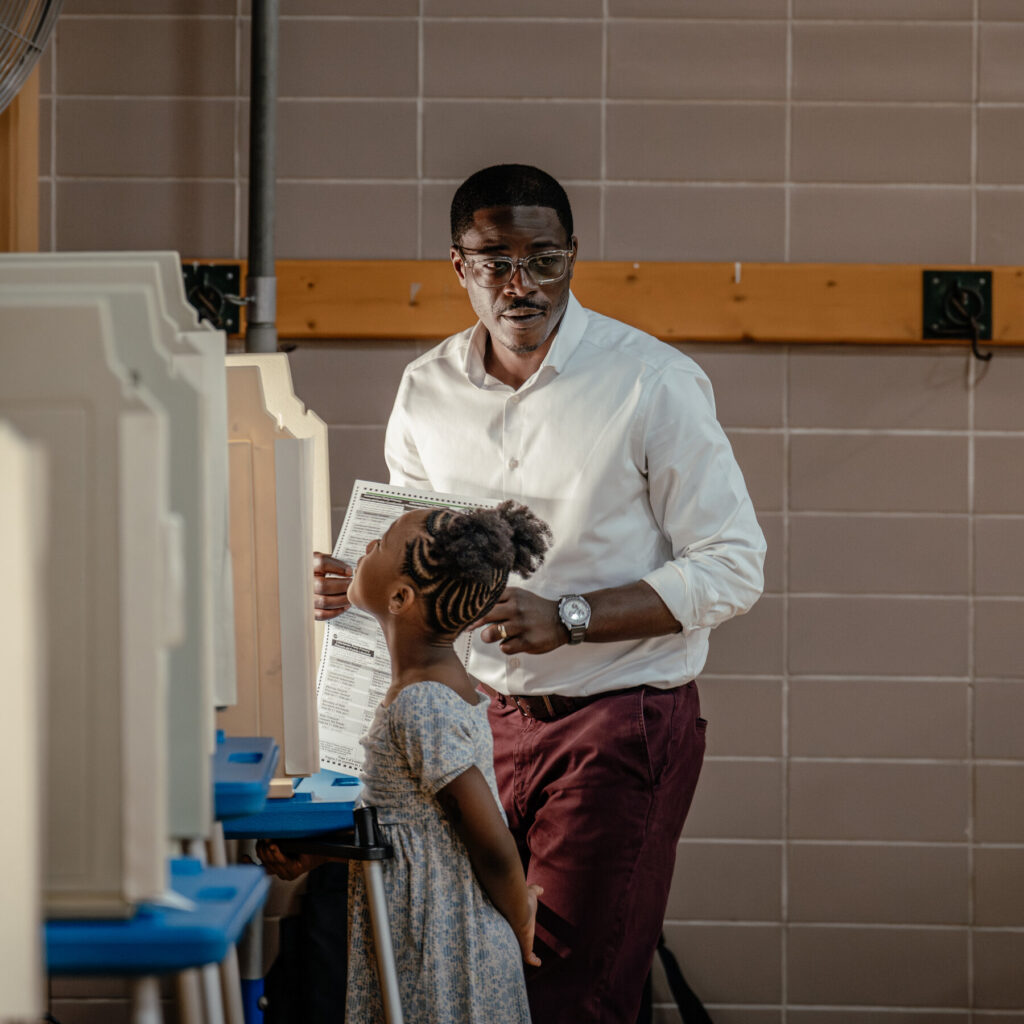
The Wisconsin Democratic governor primary unfolded as a tightly contested race between David Crowley, a moderate Democrat, and Francesca Hong, a progressive challenger. Crowley's eventual narrow victory was not predetermined but emerged from a dynamic campaign marked by shifting voter sentiments and a critical endorsement that helped sway undecided voters. This article explores the key factors behind Crowley's success, the influence of endorsements in primary contests, and the broader implications for the Democratic Party's future in Wisconsin.
The Democratic primary for Wisconsin governor highlighted the ideological tensions within the party, pitting Francesca Hong, a progressive candidate advocating for bold reforms and systemic change, against David Crowley, a moderate Democrat emphasizing pragmatic solutions and broad electoral appeal.
Throughout the campaign, the race remained fluid, with early polls showing a tight contest and no candidate holding a clear advantage. This uncertainty reflected the broader national struggle within the Democratic Party between progressive ideals and moderate pragmatism. Voters grappled with choosing between transformative policy proposals and candidates perceived as more electable in the general election.
Hong energized a passionate base eager for change, focusing on progressive priorities such as healthcare expansion, climate action, and social justice reforms. Meanwhile, Crowley appealed to voters seeking incremental progress and a candidate who could unite diverse constituencies across Wisconsin. The contest thus became a microcosm of the ideological debate shaping Democratic politics nationwide.
The intensity of the competition underscored the challenges facing the party as it seeks to balance calls for urgent systemic change with the practical realities of winning statewide elections in a politically divided state. This dynamic created a charged atmosphere where every campaign move and message was carefully scrutinized by a highly engaged electorate.
A pivotal moment in the primary was the endorsement Crowley received from a prominent figure within Wisconsin's political establishment. This endorsement significantly boosted Crowley's visibility and credibility among undecided voters and moderate Democrats who were weighing their options.
Endorsements in primary elections serve as important signals to the electorate, often indicating a candidate's viability and alignment with established party values or policy priorities. In Crowley's case, the endorsement helped consolidate moderate support and reassured voters concerned about the candidate's ability to win in the general election against Republican opponents.
Beyond just voter perception, the endorsement underscored Crowley's skill in building coalitions within the party, a critical attribute for effective governance. It highlighted his capacity to navigate intra-party dynamics and appeal to a broad spectrum of Democratic voters, which proved decisive in a close race.
This endorsement also demonstrated the influence of party insiders and established leaders in shaping primary outcomes, especially in contests where ideological divisions create uncertainty among the electorate. By rallying behind Crowley, these figures signaled a preference for a candidate they believed could unify the party and effectively challenge Republicans in the general election.
Undecided voters played a crucial role in determining the primary's outcome. Initially, many were drawn to Hong's progressive message, inspired by her vision for transformative change and policy innovation.
However, as the campaign progressed, some of these voters reconsidered their preferences, influenced by Crowley's moderate platform and the endorsement he secured. This shift reflects the complex decision-making process among voters who balance ideological alignment with practical considerations such as electability and policy feasibility.
Crowley's ability to appeal to this group of swing voters was instrumental in his narrow victory. Targeting undecided voters with a message of pragmatic progress and coalition-building allowed him to gain an edge in a race that remained competitive until the end.
This dynamic also illustrates the importance of campaign adaptability and strategic messaging in primary contests, where voter sentiments can evolve rapidly in response to endorsements, debates, and emerging campaign narratives.
Moreover, the role of undecided voters highlights the nuanced nature of political preferences within the Democratic electorate. Many voters do not fit neatly into progressive or moderate categories but weigh multiple factors before making a final choice, emphasizing the need for candidates to engage broadly and thoughtfully.
Crowley's victory signals a potential recalibration within the Wisconsin Democratic Party, demonstrating that moderate candidates can still command significant support despite the growing influence of progressive voices.
This outcome may encourage future candidates to adopt more centrist platforms to appeal to a broader electorate, especially in a politically diverse state like Wisconsin where swing voters often determine the outcome of general elections.
However, the narrow margin also underscores the enduring strength of the progressive wing within the party. The challenge for Wisconsin Democrats moving forward will be to bridge internal divides and unify around shared goals to present a cohesive front in the general election against Republican challengers.
Moreover, the primary results could shape policy priorities and campaign strategies, as elected officials seek to address the concerns of both moderate and progressive constituents. Balancing these perspectives will be essential for maintaining party unity and electoral competitiveness in the state.
Ultimately, the race reflects broader national trends where Democratic parties across the country grapple with internal ideological tensions while striving to nominate candidates capable of winning in polarized political environments.
As Wisconsin prepares for the general election, the Democratic Party faces the critical task of leveraging Crowley's coalition-building skills to unite its diverse base. Success will depend on crafting inclusive policies and messaging that resonate across the ideological spectrum, ensuring that the party remains competitive in a state that often serves as a political battleground.
David Crowley's narrow victory in the Wisconsin Democratic governor primary underscores the delicate balance between ideological conviction and electoral pragmatism within the party. His success, aided by a strategic endorsement and effective outreach to undecided voters, reflects the nuanced political landscape in Wisconsin. As the state approaches the general election, Democrats face the critical task of uniting their diverse factions to build a competitive and cohesive campaign. This primary serves as a microcosm of broader national trends, where parties must reconcile internal divisions while striving to present candidates who can succeed in increasingly polarized environments.
Originally reported by nytimes.com. Adapted for our readers with AI assistance.
Keep reading
Politics
Politics tamfitronics Minnesota Gov. Tim Walz attends a rally in Asheville, North Carolina, on Sept. 17. Minnesota led the way on in...
Politics
Deji Adeyanju; Niger State Mining Victims Human rights lawyer and activist, Deji Adeyanju, has accepted his appointment as a member of the Federal Government’s…
Politics
Democracy, Featured, Global, Global Governance, Headlines, International Justice, IPS UN: Inside the Glasshouse, TerraViva United Nations UNITED NATIONS, Sep 11 2026 (IPS) – When…
TAMFIS NIG LTD
Electrical and instrumentation engineering, bid preparation and consulting, IT and software.