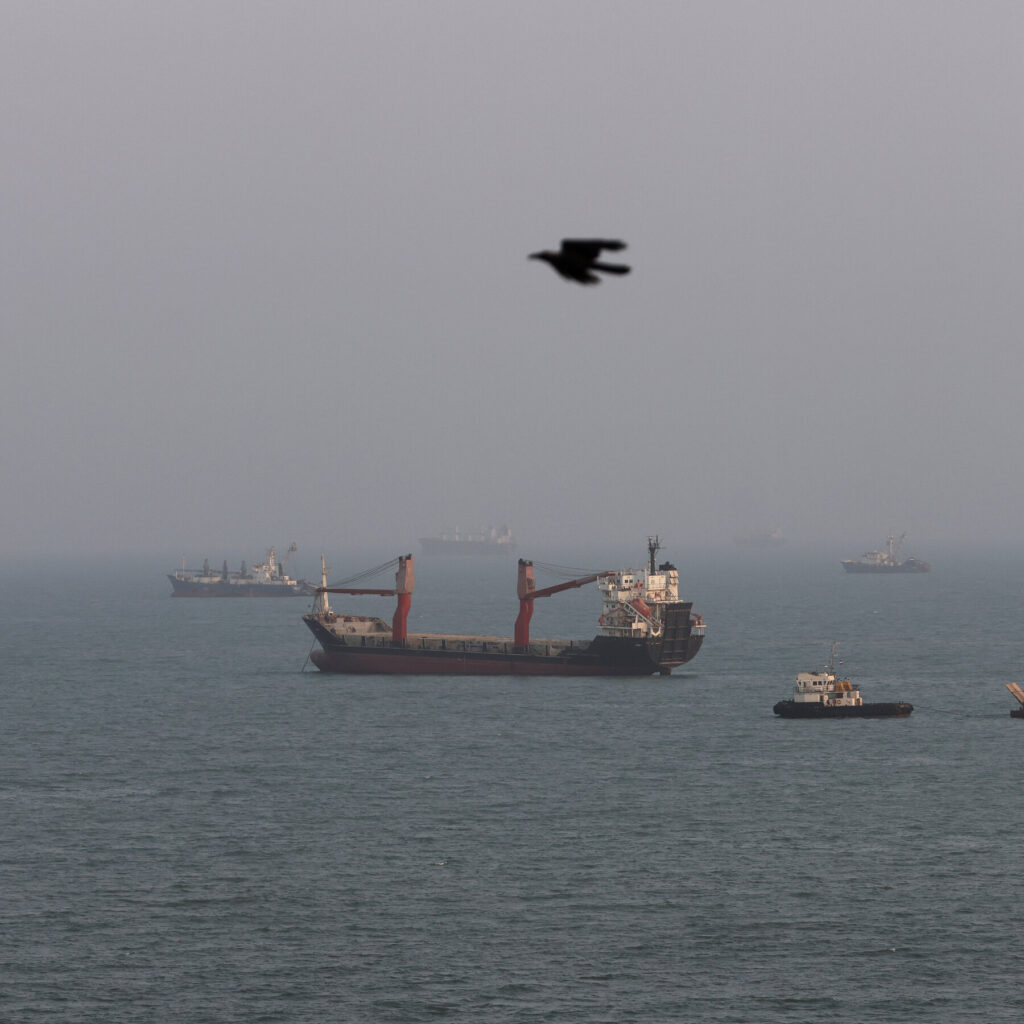
Gulf Oil Giants Invest Billions to Circumvent Strait of Hormuz Risks
The Strait of Hormuz, a narrow and strategically vital waterway, has long served as a key artery for a significant share of the world's oil exports. However, ongoing geopolitical tensions in the Gulf region, especially involving Iran, have exposed the risks of depending solely on this chokepoint. In response, Gulf oil exporters are investing billions in alternative routes and infrastructure to bypass the Strait, aiming to safeguard their energy exports from potential disruptions. This article explores the drivers behind these investments, key projects underway, and their broader implications for global energy security and regional geopolitics.
Gulf Oil Giants Invest Billions to Circumvent Strait of Hormuz Risks
The Strategic Importance and Vulnerability of the Strait of Hormuz
The Strait of Hormuz is a narrow maritime passage connecting the Persian Gulf to the Gulf of Oman and the Arabian Sea. It serves as a critical transit route for about 20% of the world’s traded oil, making it one of the most important chokepoints for global energy supplies. A substantial volume of crude oil and liquefied natural gas passes through this narrow corridor daily, underpinning energy needs worldwide.
Despite its importance, the Strait’s narrow geography—just 21 miles wide at its narrowest point—and the surrounding geopolitical tensions render it highly vulnerable to disruptions. Iran has repeatedly threatened to close the Strait in response to international sanctions or military pressures, which could severely impact global oil markets.
Recent years have seen heightened military posturing and incidents in the region, including attacks on oil tankers and naval confrontations. These developments underscore the risk of potential blockades or attacks, amplifying fears that conflict could quickly disrupt oil flows and trigger volatility in global energy prices. Such risks have prompted Gulf exporters to reconsider their dependence on the Strait and seek more secure alternatives.
Why Gulf Exporters Are Seeking Alternatives
Even with prospects for cease-fires or diplomatic resolutions, Gulf oil producers recognize that political stability in the region remains fragile. Longstanding rivalries, proxy conflicts, and shifting alliances mean the potential for renewed conflict is ever-present. Relying exclusively on the Strait of Hormuz is thus a strategic vulnerability that could jeopardize national economies and global markets.
The economic stakes are high. Any disruption in oil exports through the Strait could cause significant price spikes and supply shortages globally, affecting both producers and consumers. Given the central role Gulf oil plays in the global energy mix, even short-term interruptions can have outsized effects on energy security and economic stability worldwide.
To mitigate these risks, Gulf nations and their national oil companies are diversifying export routes. This strategy aims to ensure uninterrupted oil flow to international markets regardless of regional tensions, reducing the leverage any single chokepoint holds over global energy supplies and reassuring buyers and investors.
Major Projects to Bypass the Strait
Several Gulf countries have launched large-scale infrastructure projects to circumvent the Strait of Hormuz. These include pipelines, terminals, and port expansions on the Arabian Peninsula’s eastern and western coasts, signaling a strategic shift in export logistics.
Saudi Arabia has invested heavily in pipelines transporting oil from its eastern fields directly to the Red Sea coast, enabling exports through ports like Yanbu. This route avoids the Strait entirely and provides access to global markets via the Suez Canal or by shipping around Africa. The East-West Pipeline, or Petroline, is a key component, allowing Saudi Arabia to maintain export capacity even if the Strait is blocked.
Similarly, the United Arab Emirates has developed pipelines and export facilities on its Gulf of Oman coast, enabling crude shipments to bypass the Strait. The Habshan-Fujairah pipeline significantly increases the UAE’s ability to export oil without transiting the Strait. Oman has also expanded its pipeline network and port capacity to serve as an alternative export hub, leveraging its geographic position outside the Strait’s choke point.
These projects require billions in investment but offer strategic insurance against potential blockades or conflicts disrupting Strait-based exports. Beyond security benefits, they enhance operational flexibility for national oil companies and improve the resilience of the regional energy supply chain.
Implications for Global Energy Security
Diversifying export routes by Gulf oil producers has significant implications for global energy security. Reducing reliance on a single chokepoint enhances the resilience of oil supplies against geopolitical shocks, lowering the risk of severe disruptions during conflict or instability.
However, alternative routes introduce new regional dynamics. Countries hosting these routes may gain increased geopolitical influence as energy transit hubs, potentially shifting power balances within the Gulf and beyond. This could lead to new alliances or rivalries centered on control of energy infrastructure.
While these projects mitigate some risks, they do not eliminate all vulnerabilities. Alternative routes face logistical, environmental, and security challenges, including maintenance demands, capacity limits, and exposure to other regional threats. Ensuring their security and efficiency requires ongoing investment, international cooperation, and robust contingency planning.
For global markets, increased infrastructure diversity can help stabilize supply and prices by providing multiple export pathways. Nonetheless, persistent geopolitical tensions in the Gulf will continue to influence energy flows, making vigilance and diplomatic engagement essential to energy security.
Balancing Investment Costs and Strategic Benefits
Investing billions in new infrastructure is costly and complex, involving engineering challenges, environmental considerations, and coordination among governments, private companies, and international partners.
Despite these costs, the strategic benefits of ensuring uninterrupted oil exports are compelling. The economic losses from a prolonged Strait disruption far outweigh the investments in alternative routes. Protecting export capacity safeguards national revenues, supports global market stability, and maintains investor confidence.
These infrastructure developments also generate positive economic spillovers, including job creation, enhanced port facilities, and increased regional trade connectivity. They may foster technological innovation and improve the efficiency of the oil export sector.
Gulf exporters balance immediate financial outlays with long-term security and market stability, a calculation favoring diversification. Their willingness to invest heavily reflects a pragmatic approach to managing geopolitical risk and securing energy supply chains in an uncertain world.
What this means
The Strait of Hormuz will remain central to global energy discussions due to its strategic significance. However, persistent risks associated with this narrow passage have driven Gulf oil exporters to invest heavily in alternative routes and infrastructure. These efforts reflect a pragmatic recognition that geopolitical stability in the region cannot be guaranteed. By diversifying export options, Gulf nations aim to protect their economic interests and contribute to a more resilient global oil supply. While these projects involve significant costs and complexities, the potential benefits in security and market stability are substantial. As geopolitical dynamics evolve, balancing risk and infrastructure investment will continue to shape the future of Gulf energy exports, underscoring the importance of strategic foresight and international cooperation.
Originally reported by nytimes.com. Adapted for our readers with AI assistance.
An in-depth look at the world's leading developer communities reveals shifting growth patterns, with emerging economies outpacing traditional tech hubs in expansion rates, presenting…
The company formerly known as Bed Bath & Beyond is restructuring its partnership with Fathom to leverage digital assets like tZero, Medici, and GrainChain,…
The recently released poster for the Elon Musk documentary 'Musk' has sparked widespread discussion for its unconventional and arguably amateurish design. This article explores…