Politics
How Minnesota Figures Into the Presidential Politics of Insulin Prices
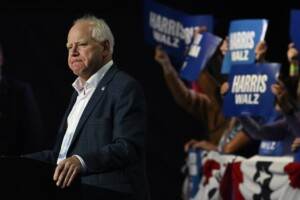
Politics tamfitronics Minnesota Gov. Tim Walz attends a rally in Asheville, North Carolina, on Sept. 17. Minnesota led the way on in...
TAMFIS NIG LTDRC 8067447CAC ACTIVEFinima, Bonny Island, Rivers State

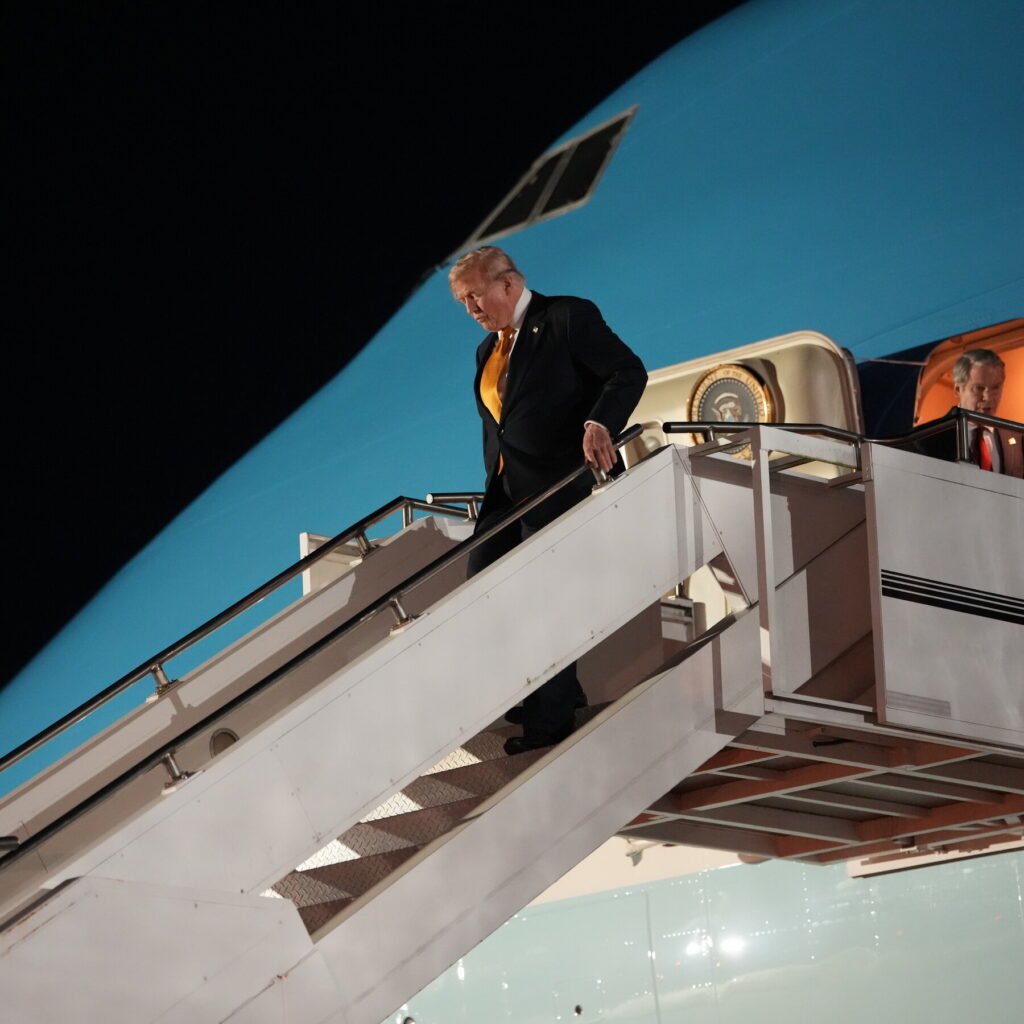
The intersection of international diplomacy and national security often reveals complex challenges, especially when adversarial nations gain sensitive intelligence. Recent reports indicate that Iran had detailed knowledge of former President Donald Trump’s stay during a NATO summit, including a potential threat involving a shoulder-fired missile targeting Air Force One. This disclosure underscores the persistent security risks faced by U.S. officials abroad and the intricate intelligence dynamics between the United States and Iran. Understanding the context and implications of this event provides insight into modern security protocols and geopolitical tensions.
NATO summits are high-profile international gatherings where heads of state and government convene to discuss critical defense and security issues. Such events naturally attract intense scrutiny from both allies and adversaries, given their strategic importance. During the most recent NATO summit, former President Donald Trump’s movements and accommodations became a focal point for U.S. security agencies tasked with ensuring his safety amid a complex threat environment.
The longstanding tensions between the United States and Iran, marked by diplomatic strain and military confrontations, have heightened vigilance among U.S. intelligence and security agencies. Protecting Air Force One, the presidential aircraft that serves as a symbol and critical asset of U.S. power, is a paramount concern. Any threat to this aircraft could have profound implications for national security and diplomatic stability.
U.S. officials revealed that multiple intelligence streams indicated Iran had acquired detailed information about Trump’s stay during the summit, including specifics about his location and movements. This level of intelligence detail raised alarms about the potential for an attack, particularly involving a shoulder-fired missile.
Shoulder-fired missiles, or man-portable air-defense systems (MANPADS), are highly portable weapons capable of targeting aircraft at close range, especially during vulnerable phases like takeoff and landing. The possibility that Iran or its proxies could have planned to use such a weapon against Air Force One underscores the severity and sophistication of the threat environment.
While the full extent of Iran’s intelligence capabilities remains classified, this incident demonstrates their ability to monitor high-profile targets and potentially coordinate attacks. It also reflects broader challenges faced by U.S. intelligence in countering threats from both state and non-state actors, highlighting the evolving nature of modern security risks.
Upon detecting the missile threat, U.S. security agencies immediately intensified protective measures around Trump and Air Force One. These actions included enhanced surveillance, bolstered physical security at the summit venue, and close coordination with NATO allies to secure the airspace and surrounding areas.
The U.S. military and intelligence community have long developed countermeasures against missile threats, including advanced electronic warfare systems designed to detect and neutralize incoming missiles. Air Force One is equipped with such defensive technologies, including infrared countermeasures and radar jamming systems, which are critical in mitigating missile attacks. Nevertheless, the presence of a credible threat necessitated heightened vigilance and additional protective protocols.
This incident also prompted a comprehensive review of intelligence-sharing protocols among NATO members and U.S. agencies to ensure more timely detection and response to similar threats in the future. Such collaboration is essential to countering sophisticated intelligence operations by adversaries and maintaining the safety of high-profile individuals during international events.
The revelation that Iran had detailed intelligence on Trump’s movements during an international summit adds a complex layer to the already fraught U.S.-Iran relationship. It highlights Iran’s ongoing interest in monitoring and potentially undermining U.S. political figures and interests abroad, reflecting a broader pattern of asymmetric tactics employed by the Iranian regime and its proxies.
This event may influence diplomatic strategies, prompting U.S. policymakers to carefully weigh the risks of engagement versus confrontation with Iran. It also brings attention to the dangers posed by missile proliferation, particularly of portable missile systems like MANPADS, which can be used by state and non-state actors to threaten aviation security worldwide.
On a global scale, the incident serves as a stark reminder of the vulnerabilities faced by world leaders during international gatherings. It underscores the necessity for robust intelligence capabilities and international cooperation to mitigate threats that transcend national borders, especially as geopolitical rivalries intensify.
As geopolitical tensions persist and adversaries continue to develop sophisticated methods, the U.S. and its allies must adapt their security protocols to address emerging threats effectively. This includes investing in advanced detection technologies, improving intelligence analysis capabilities, and fostering stronger alliances for real-time information sharing.
The incident involving Iran’s intelligence on Trump’s NATO summit stay serves as a case study in the evolving nature of security risks. It highlights the critical importance of proactive measures and constant vigilance to protect high-profile individuals in an increasingly interconnected and contested world.
Balancing the openness required for international diplomacy with stringent security measures remains a significant challenge. Ensuring the safety of leaders while maintaining the integrity of diplomatic events will require ongoing innovation, collaboration, and a nuanced understanding of the geopolitical landscape.
The disclosure that Iran had detailed knowledge of former President Trump’s stay at a NATO summit, including a credible missile threat, brings to light the persistent and evolving security challenges faced by U.S. officials abroad. This incident not only underscores the capabilities of adversarial intelligence operations but also the critical importance of robust security measures and international cooperation. As global tensions continue to shape the geopolitical landscape, safeguarding leaders during diplomatic engagements remains a high-stakes priority demanding vigilance, innovation, and collaboration.
Originally reported by nytimes.com. Adapted for our readers with AI assistance.
Keep reading
Politics
Politics tamfitronics Minnesota Gov. Tim Walz attends a rally in Asheville, North Carolina, on Sept. 17. Minnesota led the way on in...
Politics
Deji Adeyanju; Niger State Mining Victims Human rights lawyer and activist, Deji Adeyanju, has accepted his appointment as a member of the Federal Government’s…
Politics
Democracy, Featured, Global, Global Governance, Headlines, International Justice, IPS UN: Inside the Glasshouse, TerraViva United Nations UNITED NATIONS, Sep 11 2026 (IPS) – When…
TAMFIS NIG LTD
Electrical and instrumentation engineering, bid preparation and consulting, IT and software.