Politics
How Minnesota Figures Into the Presidential Politics of Insulin Prices
Politics tamfitronics Minnesota Gov. Tim Walz attends a rally in Asheville, North Carolina, on Sept. 17. Minnesota led the way on in...
TAMFIS NIG LTDRC 8067447CAC ACTIVEFinima, Bonny Island, Rivers State

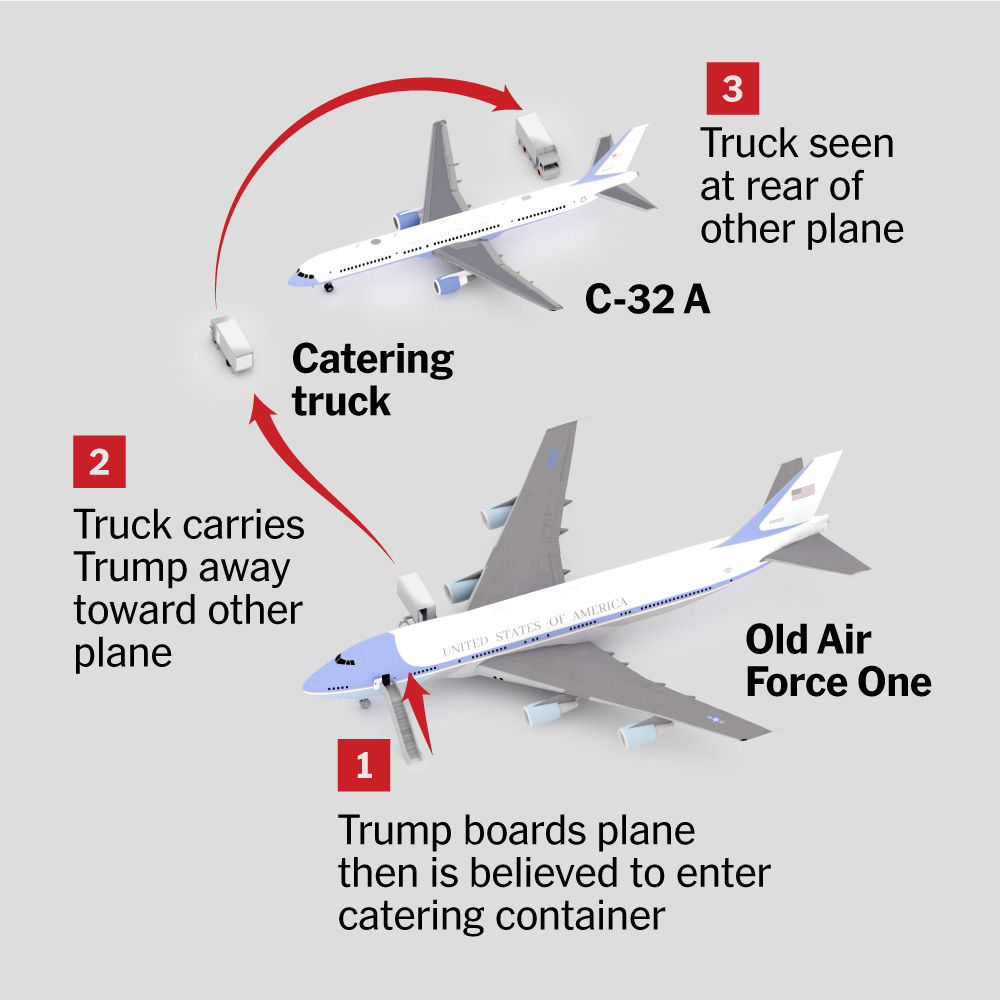
In an extraordinary display of strategic deception and security planning, U.S. officials executed a secret swap of Air Force One aircraft to protect the president from ongoing threats posed by Iran. This covert operation, shrouded in secrecy until recently, reveals the lengths to which the government will go to safeguard its highest office. Understanding how this swap unfolded offers insight into modern presidential security tactics and the geopolitical tensions influencing them.
For years, the American president has been a focal point of hostility from Iran, with intelligence agencies tracking numerous plots and threats targeting the commander-in-chief. This persistent danger has necessitated heightened security measures beyond the usual protocols, prompting officials to consider unconventional strategies.
Iran’s antagonism towards the United States, particularly its leadership, has been a defining element of the geopolitical landscape. The threats have ranged from cyberattacks to potential physical assaults, underscoring the need for comprehensive protective measures. The president’s visibility as a symbol of American power makes him a prime target for adversaries seeking to destabilize U.S. leadership and influence.
The decision to execute a secret swap of Air Force One was driven by the imperative to obscure the president’s travel plans and movements from adversaries. By switching aircraft covertly, the administration aimed to create confusion and reduce the risk of targeted attacks.
Traditional security measures often rely on visible protection, intelligence gathering, and rapid response capabilities. However, the swap introduced an innovative element of deception, complicating hostile efforts to track or intercept the president’s flights. This tactic reflects a broader shift in security thinking, where misdirection and secrecy are leveraged alongside physical safeguards to enhance protection.
Such a strategy is particularly important given the sophisticated surveillance and intelligence capabilities of adversaries like Iran, who have demonstrated persistent interest and capacity to monitor and potentially disrupt presidential movements.
The operation required meticulous coordination among multiple government agencies, including the Secret Service, the Air Force, and intelligence units. Planning was conducted under strict confidentiality to prevent leaks that could compromise the president’s safety.
Logistical challenges included synchronizing flight schedules, maintaining both aircraft in a state of readiness, and securing the locations where the swap took place. These sites had to be discreet and secure, ensuring that neither the media nor foreign intelligence could detect the maneuver.
The swap itself involved replacing the president’s usual Air Force One aircraft with a nearly identical plane, indistinguishable to outside observers. This allowed the president to continue traveling without interruption while effectively masking his movements. The operation was executed seamlessly, demonstrating the high level of expertise and coordination among the agencies involved.
Only a select group of officials were privy to the details, minimizing the risk of leaks and maintaining operational security. This level of secrecy is rare and underscores the gravity of the threat environment and the importance placed on protecting the president.
This secret swap marks a significant evolution in presidential security strategy, highlighting the increasing complexity of threats faced by the nation’s leader. It demonstrates a willingness to adopt unconventional tactics to maintain the president’s safety in an era of asymmetric threats.
The operation underscores the importance of adaptability in security protocols. As adversaries develop new methods of attack, protective measures must evolve accordingly, blending traditional security with innovative deception techniques. This approach reflects a broader trend in national security that prioritizes flexibility and creativity in countering emerging risks.
However, such secrecy raises important questions about transparency and the public’s right to be informed about the measures taken to protect elected officials. While operational security is paramount, balancing it with accountability remains a delicate challenge for democratic governance.
The successful execution of this swap also sets a precedent for future protective measures, potentially influencing how presidential security operations are planned and conducted in response to evolving threats.
The swap must be understood within the broader context of U.S.-Iran relations, which have been fraught with tension for decades. The ongoing hostility necessitates continuous vigilance and preparedness for potential threats against American interests and leadership.
Iran’s persistent antagonism towards the U.S., including its leadership, has shaped a security environment where covert operations like the Air Force One swap become necessary. This operation reflects the high stakes involved in protecting national leaders amid complex geopolitical rivalries.
Looking ahead, the success of this operation may encourage similar tactics in future security planning, not only for the president but for other high-profile government officials facing threats. It highlights the increasing role of deception and secrecy in modern security strategies.
At the same time, this approach underscores the need for parallel diplomatic efforts to reduce hostilities and the risk of escalation. Reliance on covert security measures alone cannot fully mitigate geopolitical risks; sustained engagement and dialogue remain essential components of long-term stability.
Ultimately, the operation exemplifies how security innovation and diplomatic strategy must work hand in hand to address the multifaceted challenges posed by adversaries like Iran.
The covert Air Force One swap operation exemplifies the intricate balance between security, secrecy, and strategic innovation necessary to protect the American president in a complex global environment. As threats evolve, so too must the measures designed to counter them. While this operation successfully shielded the president from immediate danger, it also serves as a reminder of the persistent geopolitical challenges that require both robust security protocols and sustained diplomatic efforts. Understanding these dynamics is crucial for appreciating the multifaceted nature of presidential protection in the modern era.
Originally reported by nytimes.com. Adapted for our readers with AI assistance.
Keep reading
Politics
Politics tamfitronics Minnesota Gov. Tim Walz attends a rally in Asheville, North Carolina, on Sept. 17. Minnesota led the way on in...
Politics
Deji Adeyanju; Niger State Mining Victims Human rights lawyer and activist, Deji Adeyanju, has accepted his appointment as a member of the Federal Government’s…
Politics
Democracy, Featured, Global, Global Governance, Headlines, International Justice, IPS UN: Inside the Glasshouse, TerraViva United Nations UNITED NATIONS, Sep 11 2026 (IPS) – When…
TAMFIS NIG LTD
Electrical and instrumentation engineering, bid preparation and consulting, IT and software.