Politics
How Minnesota Figures Into the Presidential Politics of Insulin Prices
Politics tamfitronics Minnesota Gov. Tim Walz attends a rally in Asheville, North Carolina, on Sept. 17. Minnesota led the way on in...
TAMFIS NIG LTDRC 8067447CAC ACTIVEFinima, Bonny Island, Rivers State

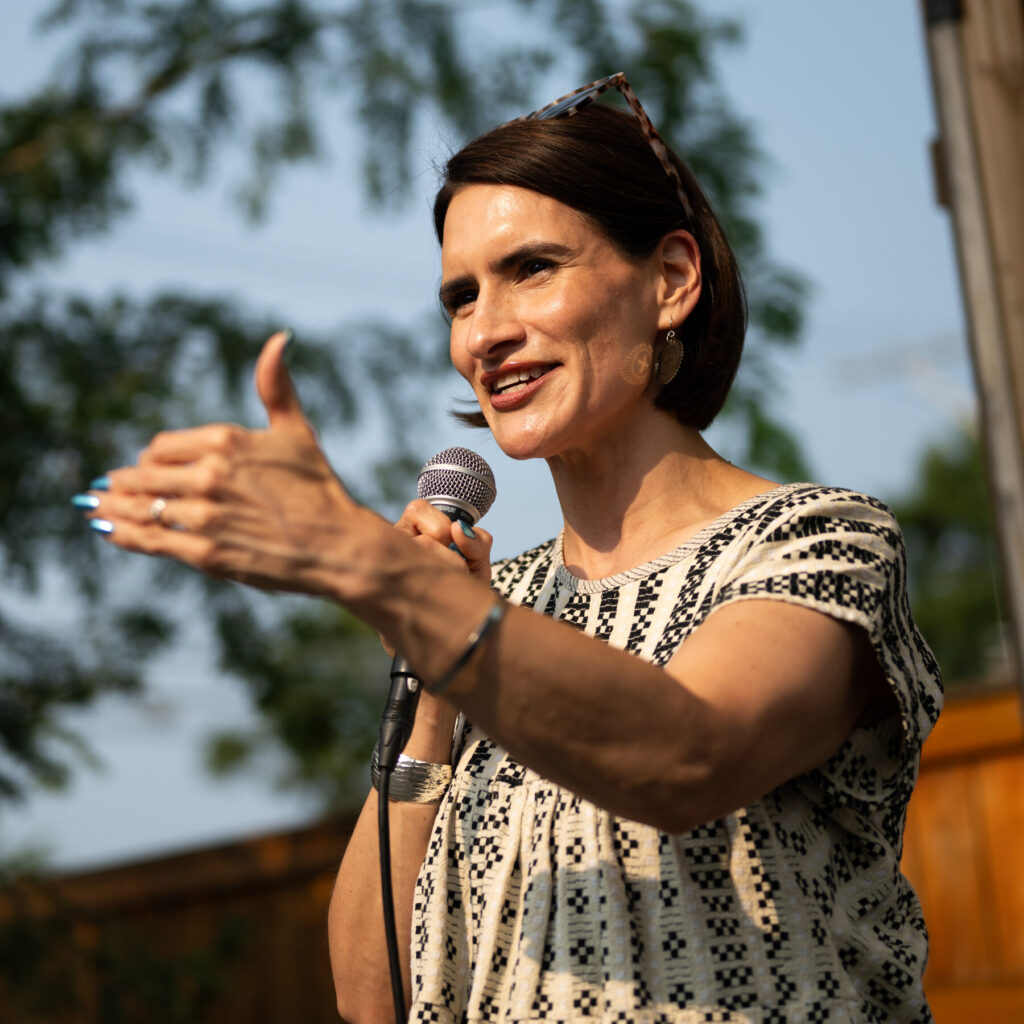
In a pivotal moment for Minnesota and progressive politics nationwide, Peggy Flanagan, the state’s Lieutenant Governor, emerged victorious in the Democratic Senate primary. This win not only underscores the growing influence of left-wing movements in the Midwest but also positions Flanagan to potentially become the first Native American woman to serve in the United States Senate. Her campaign and success highlight evolving political dynamics and the increasing representation of historically marginalized communities in American governance.
Peggy Flanagan’s triumph in the Democratic Senate primary is a significant achievement for the progressive wing of the party in Minnesota. Known for her steadfast advocacy on social justice, economic equity, and Indigenous rights, Flanagan's campaign resonated with voters seeking bold change and inclusive leadership. Her victory reflects a broader trend of left-leaning candidates gaining traction in the Midwest, a region traditionally considered a political battleground with fluctuating partisan loyalties.
The primary contest was closely watched as a bellwether for the Democratic Party’s direction in the upcoming general elections. Flanagan’s ability to mobilize a diverse coalition of supporters—including young voters, Native communities, urban progressives, and labor groups—was instrumental in her success. This coalition-building signals a shift in Minnesota’s political landscape, where grassroots activism and progressive platforms are increasingly influential. Her campaign’s focus on addressing systemic inequalities and championing underrepresented voices exemplifies the evolving priorities of the state’s electorate.
If elected in the general election, Peggy Flanagan would make history as the first Native American woman to serve in the U.S. Senate. This milestone carries profound significance not only for Minnesota but for the nation as a whole, highlighting the critical importance of representation for Indigenous peoples in federal government. Flanagan’s heritage and advocacy bring essential perspectives to the Senate, particularly on issues affecting Native communities such as tribal sovereignty, healthcare disparities, education, and environmental protection.
Her candidacy and potential election underscore ongoing efforts to diversify political representation and address the longstanding underrepresentation of Native Americans in national politics. Flanagan’s success may inspire increased political engagement and candidacies among Indigenous populations across the country, fostering a new generation of leaders committed to amplifying marginalized voices. This historic breakthrough also symbolizes progress toward a more inclusive democracy that better reflects the nation’s diverse population.
Flanagan’s primary win is part of a larger pattern of progressive victories in the Midwest, a region experiencing a resurgence of left-wing activism and electoral success. This movement emphasizes policies such as expanding healthcare access, combating climate change, raising the minimum wage, and promoting racial and economic justice—issues that resonate deeply with many Midwestern voters facing economic and social challenges.
Midwestern states have historically been political battlegrounds, with fluctuating support between conservative and liberal candidates. However, recent elections indicate a growing appetite for progressive policies, driven by demographic changes, economic pressures, and grassroots organizing. Flanagan’s campaign effectively tapped into these dynamics, positioning her as a leading figure in this regional shift toward more inclusive and transformative politics.
Her victory also reflects a strategic focus by the Democratic Party to invest in candidates who can energize the base and appeal to a broad spectrum of voters. The Midwest’s political future may increasingly hinge on the success of such progressive leaders who can bridge diverse constituencies and advance policies aimed at reducing inequality and fostering sustainable growth.
With the primary behind her, Peggy Flanagan now faces the general election, where she will contend with her Republican opponent in a race expected to be highly competitive. Minnesota’s status as a swing state with a history of close elections means every vote will be critical in determining the outcome.
Flanagan’s progressive platform has the potential to energize Democratic voters, particularly younger and minority constituencies who are often key to turnout in statewide races. At the same time, her campaign will need to balance advocating for transformative policies with building broad-based support among moderate and independent voters who may be more cautious about rapid change.
The outcome of this election will have implications beyond Minnesota, as it could influence the balance of power in the Senate and the trajectory of progressive politics nationwide. A Flanagan victory would signal a strengthening of left-wing influence in the Midwest and potentially inspire similar candidacies in other states, reinforcing a national trend toward more diverse and progressive representation.
While Flanagan’s primary victory is a significant milestone, the path to the Senate is fraught with challenges. She must navigate a politically divided electorate and address concerns from voters who may be wary of progressive agendas or skeptical of change. Effective communication, coalition-building, and outreach beyond her core supporters will be critical to expanding her appeal statewide.
Moreover, Flanagan’s campaign offers opportunities to highlight issues often overlooked in mainstream politics, such as Indigenous rights, environmental justice, and economic inclusion. By elevating these topics, she can broaden the political conversation and foster greater inclusivity, helping to reshape policy priorities at both the state and national levels.
Her candidacy also presents an opportunity for the Democratic Party to demonstrate its commitment to diversity and progressive change, potentially reshaping the party’s identity and strategy in the Midwest and beyond. Success in this race could serve as a model for future campaigns aiming to harness grassroots energy and build coalitions across diverse communities.
Peggy Flanagan’s primary victory in Minnesota is more than a personal achievement; it is a reflection of shifting political currents in the Midwest and a step toward greater representation for Indigenous Americans in national governance. As she prepares for the general election, Flanagan embodies the aspirations of a progressive movement seeking to redefine the political landscape through inclusive policies and grassroots engagement. Her campaign’s outcome will not only shape Minnesota’s future but could also influence the broader trajectory of American politics in the years to come.
Originally reported by nytimes.com. Adapted for our readers with AI assistance.
Keep reading
Politics
Politics tamfitronics Minnesota Gov. Tim Walz attends a rally in Asheville, North Carolina, on Sept. 17. Minnesota led the way on in...
Politics
Deji Adeyanju; Niger State Mining Victims Human rights lawyer and activist, Deji Adeyanju, has accepted his appointment as a member of the Federal Government’s…
Politics
Democracy, Featured, Global, Global Governance, Headlines, International Justice, IPS UN: Inside the Glasshouse, TerraViva United Nations UNITED NATIONS, Sep 11 2026 (IPS) – When…
TAMFIS NIG LTD
Electrical and instrumentation engineering, bid preparation and consulting, IT and software.