
Politics
How Minnesota Figures Into the Presidential Politics of Insulin Prices
Politics tamfitronics Minnesota Gov. Tim Walz attends a rally in Asheville, North Carolina, on Sept. 17. Minnesota led the way on in...
TAMFIS NIG LTDRC 8067447CAC ACTIVEFinima, Bonny Island, Rivers State

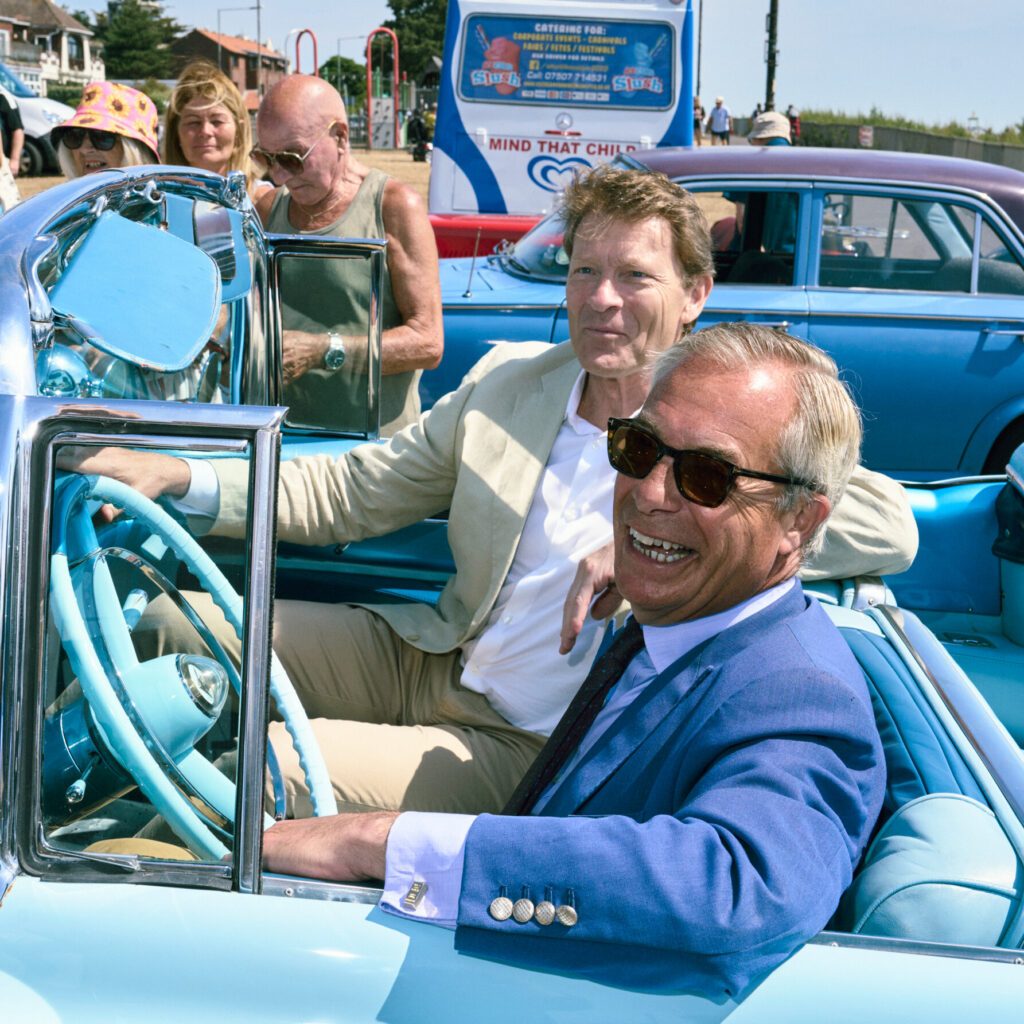
Elections today often unfold in a manner vastly different from traditional grassroots campaigning. Politicians frequently make short visits to constituencies, engage with supporters primarily for social media content, and then quickly move on. This evolving dynamic raises important questions about the nature of political engagement, the quality of voter interaction, and the implications for democratic participation in an age dominated by digital communication.
Contemporary political campaigns are increasingly characterized by candidates making rapid, often fleeting stops in various constituencies. These appearances tend to be carefully choreographed events designed to generate appealing social media content rather than foster deep, sustained voter relationships. Politicians may arrive, meet a small group of supporters, pose for photographs, deliver rehearsed soundbites, and then swiftly move on to the next location.
This method marks a significant departure from traditional campaigning, where candidates dedicated extensive time canvassing neighborhoods, attending local events, and engaging in meaningful conversations with constituents. Historically, these grassroots efforts allowed politicians to understand community concerns firsthand and build trust through personal interaction. The modern approach prioritizes visibility and the creation of shareable moments over substantive voter contact, reflecting broader changes in media consumption and political communication.
Such brief visits often serve dual purposes: they provide content for social media platforms while creating an illusion of widespread local engagement. However, this can result in voters feeling overlooked or treated as mere backdrops for digital content rather than active participants in the democratic process.
Social media platforms have revolutionized political communication by enabling candidates to reach vast audiences instantly and cost-effectively. Platforms like Twitter, Facebook, Instagram, and TikTok allow politicians to broadcast messages, rally supporters, and shape narratives in real time. However, this shift has also led to a focus on content creation tailored primarily for online engagement rather than genuine voter interaction.
The emphasis on producing viral videos, catchy slogans, and visually appealing images often reduces complex policy discussions to simplistic soundbites and memorable hashtags. While this strategy can energize certain segments of the electorate, particularly younger voters who consume most of their news online, it risks alienating those seeking detailed information and meaningful dialogue. The brevity and performative nature of social media content can obscure the nuances of political platforms and legislative records.
Moreover, the pressure to maintain a constant online presence encourages politicians to prioritize moments that are visually striking or emotionally charged, sometimes at the expense of substantive policy discussion. This environment fosters a political culture where style can overshadow substance, and where the most shareable content often trumps the most informative.
The trend toward fleeting political visits combined with social media-driven campaigns has significant implications for democratic participation and voter trust. When politicians appear to prioritize optics and media moments over substantive engagement, constituents may feel disconnected from the political process and skeptical about the authenticity of their representatives.
Moreover, the reliance on curated, polished content can obscure the realities of policy positions and legislative achievements, making it difficult for voters to make fully informed decisions. This dynamic challenges the fundamental democratic principle that elections should be based on a comprehensive understanding of candidates’ platforms and records, rather than media-crafted impressions or viral moments.
This shift also risks reducing the electorate's role to passive consumers of political spectacle rather than active participants in dialogue and decision-making. When political engagement becomes primarily a matter of watching and sharing content, the opportunity for critical scrutiny and accountability diminishes, potentially weakening democratic institutions over time.
Despite the undeniable power of social media as a communication tool, successful political campaigns recognize the importance of balancing digital presence with authentic, on-the-ground engagement. Candidates who invest time in listening to constituents, addressing local concerns, and participating in community events often build stronger, more enduring support networks.
Integrating traditional campaigning methods—such as door-to-door canvassing, town hall meetings, and grassroots organizing—with modern communication strategies enhances transparency and fosters trust. This balanced approach acknowledges that while visibility is important, meaningful voter relationships are essential for a healthy democracy.
Authentic engagement helps bridge the gap between politicians and the communities they serve, providing voters with opportunities to ask questions, express concerns, and hold their representatives accountable. It also allows politicians to gain a deeper understanding of the diverse issues affecting their constituents, which can inform more responsive and effective policymaking.
As technology continues to evolve, political campaigns will likely become even more digitally oriented, incorporating innovative tools such as virtual town halls, interactive platforms, and data-driven outreach. These technologies offer exciting possibilities for expanding access and engaging broader audiences, including those who may be unable to attend in-person events.
However, the core democratic principle of connecting with voters on a personal level remains vital. Future campaigns will need to strike a careful balance between leveraging digital innovation and preserving opportunities for face-to-face engagement. Maintaining this balance will be essential for fostering robust democratic participation, ensuring that elections reflect the true will of the people rather than just the most viral or visible voices.
Moreover, as digital tools evolve, there is potential for campaigns to become more inclusive and responsive, reaching marginalized communities and facilitating two-way communication. The challenge lies in ensuring these tools complement rather than replace traditional forms of political interaction, preserving the depth and authenticity of democratic engagement.
The evolution of political campaigning reflects broader changes in communication and media consumption patterns. While social media offers unprecedented reach and immediacy, it also presents challenges to authentic voter engagement and informed decision-making. To preserve the integrity of democratic processes, politicians and campaign strategists must find ways to blend digital innovation with genuine, meaningful connections to the electorate. Achieving this balance is crucial for fostering trust, encouraging participation, and ensuring that elections remain a true reflection of the public will.
Originally reported by nytimes.com. Adapted for our readers with AI assistance.
Keep reading
Politics
Politics tamfitronics Minnesota Gov. Tim Walz attends a rally in Asheville, North Carolina, on Sept. 17. Minnesota led the way on in...
Politics
Deji Adeyanju; Niger State Mining Victims Human rights lawyer and activist, Deji Adeyanju, has accepted his appointment as a member of the Federal Government’s…
Politics
Democracy, Featured, Global, Global Governance, Headlines, International Justice, IPS UN: Inside the Glasshouse, TerraViva United Nations UNITED NATIONS, Sep 11 2026 (IPS) – When…
TAMFIS NIG LTD
Electrical and instrumentation engineering, bid preparation and consulting, IT and software.