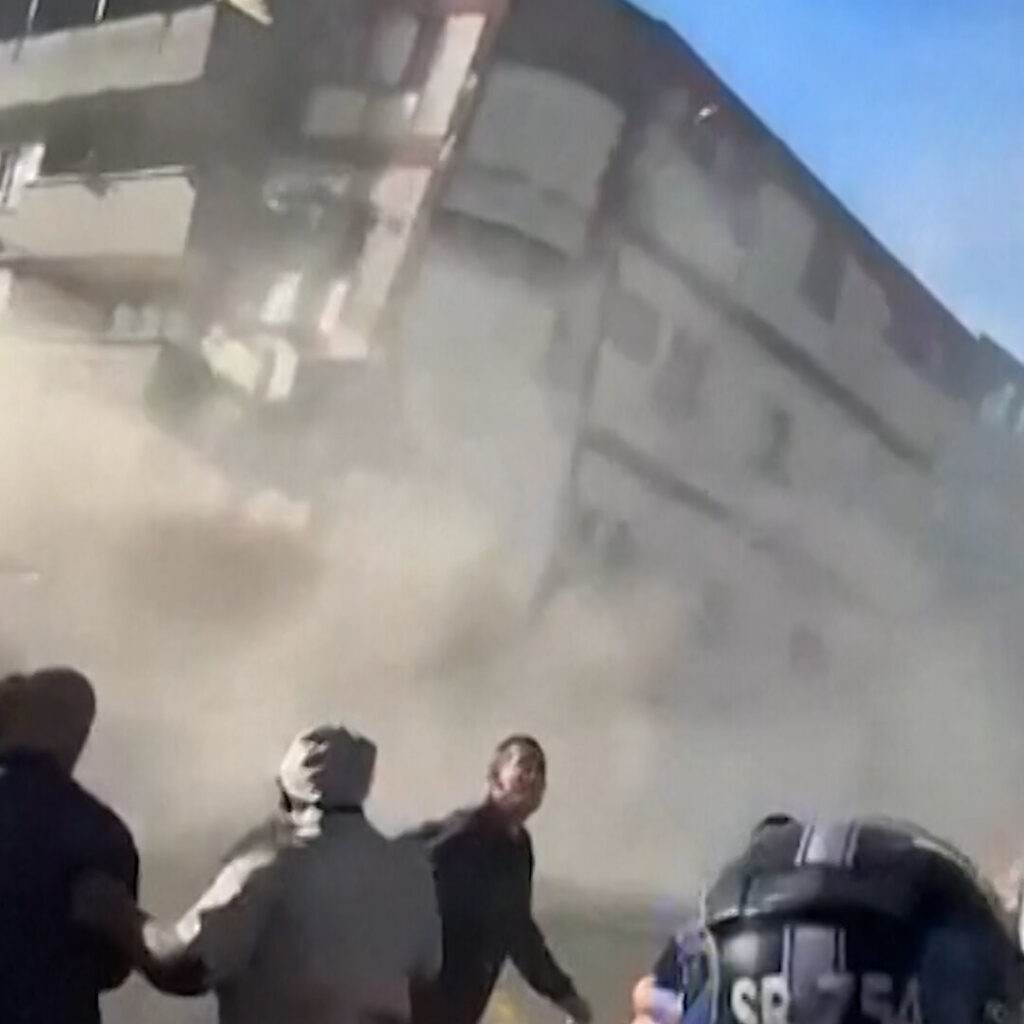
Devastating Earthquake Strikes Colombia: Over 100 Dead and Thousands Displaced
Colombia has been rocked by a major earthquake that has resulted in significant casualties and extensive damage to infrastructure. The disaster has mobilized rescue teams and local communities in a race against time to find survivors amidst the rubble. As the nation grapples with the immediate aftermath, authorities warn that the number of deaths is expected to increase as the situation develops.
Devastating Earthquake Strikes Colombia: Over 100 Dead and Thousands Displaced
The Earthquake and Its Immediate Impact
A strong earthquake recently struck Colombia, causing widespread devastation across multiple regions. The tremor was powerful enough to damage over 1,500 homes, according to official statements from the Colombian president. The epicenter’s proximity to densely populated areas significantly contributed to the high number of casualties and extensive structural damage.
At least 111 people have been confirmed dead as rescue operations continue, but officials caution that the death toll is likely to rise. The earthquake’s intensity overwhelmed local infrastructure and emergency services, leaving many communities vulnerable and in urgent need of assistance.
In addition to human casualties, the destruction of homes and buildings has displaced thousands of residents, compounding the humanitarian crisis. The scale of the damage has also disrupted essential services such as electricity, water, and communications, further complicating relief efforts.
The widespread destruction has left many families without shelter, forcing them to seek refuge in temporary accommodations or with relatives. This displacement adds to the urgency of the relief response, as affected populations require not only immediate rescue but also ongoing support for basic needs such as food, water, and medical care.
Rescue Efforts and Community Response
In the immediate aftermath of the earthquake, rescue crews alongside ordinary citizens have been actively involved in searching for survivors trapped under debris. This collaboration between trained professionals and local volunteers highlights the resilience and solidarity of Colombian communities during times of crisis.
Emergency teams are working tirelessly under challenging conditions to clear rubble and access collapsed buildings. Their efforts are crucial in preventing further loss of life and providing urgent medical care to those injured. However, the widespread destruction has complicated rescue operations, with some areas remaining difficult to reach due to blocked roads and unstable structures.
The involvement of local residents has been instrumental, as they often have intimate knowledge of their neighborhoods and can quickly mobilize to assist in search and rescue. This grassroots response complements formal emergency services and underscores the importance of community preparedness and cooperation in disaster situations.
Moreover, the spirit of volunteerism has been a beacon of hope amid the tragedy, with many locals organizing supply drives and offering shelter to displaced neighbors. Such community-driven initiatives not only aid in immediate relief but also foster social cohesion, which is vital for long-term recovery.
Government Response and Ongoing Challenges
The Colombian government has acknowledged the severity of the disaster, with the president confirming the number of damaged homes and casualties. Authorities are coordinating relief efforts and mobilizing resources to support affected communities, including deploying emergency personnel, medical teams, and supplies to the hardest-hit areas.
Despite these measures, the situation remains critical. Infrastructure damage has disrupted communication networks and transportation routes, hindering the timely delivery of aid and complicating coordination among responders. In some regions, roads remain impassable, delaying assistance to isolated communities.
Additionally, the risk of aftershocks poses ongoing threats to both survivors and rescue personnel. These secondary tremors can cause further collapses and injuries, necessitating heightened caution during recovery operations. Authorities have urged residents to remain vigilant and follow safety protocols to minimize additional harm.
Efforts to assess the full extent of the damage are still underway, with officials emphasizing the need for continued vigilance and preparedness as recovery operations proceed. The government has also called for national and international support to bolster emergency response capabilities and assist in reconstruction.
Furthermore, the government faces the challenge of balancing immediate relief with long-term recovery planning. Restoring essential services, rebuilding damaged infrastructure, and providing psychological support to affected populations will require sustained commitment and resources over the coming months and years.
Understanding Earthquake Risks in Colombia
Colombia is situated along several active fault lines, including the Andean Volcanic Belt and the North Andean Fault System, making it highly susceptible to seismic activity. Earthquakes of varying magnitudes have historically impacted the country, some causing significant destruction and loss of life.
This recent event underscores the critical importance of robust building codes, disaster preparedness, and public awareness in mitigating earthquake risks. Strengthening infrastructure resilience—through earthquake-resistant construction and retrofitting existing buildings—remains a top priority to reduce future vulnerabilities.
Emergency response capabilities must also be enhanced, including training for first responders, investment in specialized equipment, and development of comprehensive disaster management plans. Public education campaigns and community drills are vital to ensure that residents know how to respond effectively during seismic events.
Communities in high-risk areas are encouraged to develop emergency plans, establish communication networks, and participate in regular preparedness exercises. These proactive measures can significantly improve survival rates and reduce the overall impact of future earthquakes.
Given Colombia’s geographic vulnerability, integrating earthquake risk reduction into urban planning and development policies is essential. This includes enforcing land-use regulations that avoid construction in the most hazardous zones and promoting sustainable practices that enhance community resilience.
What this means
The recent earthquake in Colombia is a stark reminder of the country's vulnerability to seismic hazards. While immediate rescue and relief efforts are crucial to save lives and provide aid, long-term strategies focused on preparedness, infrastructure strengthening, and community education are essential to mitigate future risks. As Colombia begins the arduous process of recovery, the resilience and cooperation of its people, supported by effective government action and international assistance, will be key to overcoming the challenges posed by this natural disaster.
Originally reported by nytimes.com. Adapted for our readers with AI assistance.
An in-depth look at the world's leading developer communities reveals shifting growth patterns, with emerging economies outpacing traditional tech hubs in expansion rates, presenting…
The company formerly known as Bed Bath & Beyond is restructuring its partnership with Fathom to leverage digital assets like tZero, Medici, and GrainChain,…
Recall that Poland’s Minister Sikorski’s core claim is partially supported by the numbers, but the framing “quite quickly” and “without the U.S.” does not…