
Politics
How Minnesota Figures Into the Presidential Politics of Insulin Prices
Politics tamfitronics Minnesota Gov. Tim Walz attends a rally in Asheville, North Carolina, on Sept. 17. Minnesota led the way on in...
TAMFIS NIG LTDRC 8067447CAC ACTIVEFinima, Bonny Island, Rivers State

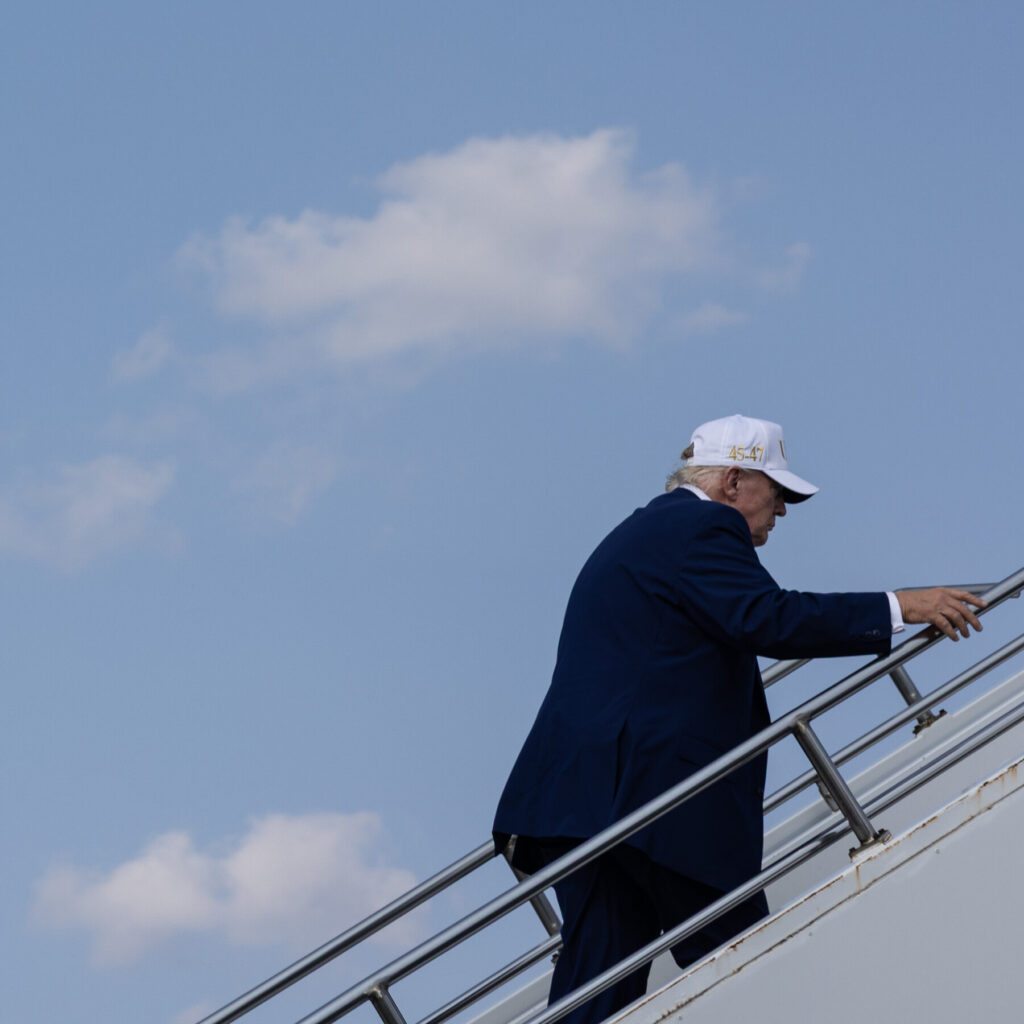
Since taking office, President Trump has expressed a desire to reduce U.S. involvement in the Middle East, signaling a shift from previous administrations’ strategies that often emphasized deep military and diplomatic engagement. However, persistent conflicts, particularly involving Iran and Gaza, have made it difficult for the administration to disengage fully. Despite his eagerness to declare victories and move on, the realities on the ground challenge Trump’s ability to impose his will and reshape American foreign policy in the region. This tension between ambition and reality underscores the complexities of Middle Eastern geopolitics and the limits of unilateral action.
From the outset of his presidency, Donald Trump has emphasized a desire to recalibrate U.S. foreign policy by reducing military and diplomatic commitments in the Middle East. This approach is framed as a necessary shift to prioritize American interests, particularly focusing on economic growth and domestic priorities, while avoiding the high financial and human costs associated with prolonged military engagements.
Central to this vision is the ambition to declare success in longstanding conflicts, especially in Iran and Gaza, and then pivot attention to other global challenges such as great power competition and emerging security threats. Trump’s rhetoric frequently references ending “endless wars,” suggesting a future where the U.S. plays a less direct role in regional disputes and instead relies more on allies and local actors to manage conflicts.
This approach marks a significant departure from previous administrations that often pursued active military involvement and nation-building efforts. Trump’s strategy seeks to redefine what success looks like in the Middle East, emphasizing outcomes that allow for American disengagement rather than prolonged presence.
Despite the administration’s stated goals, the situations in Iran and Gaza remain volatile and resistant to quick or straightforward resolutions. Iran’s regional influence continues to expand through proxy groups and strategic alliances, while its nuclear ambitions remain a focal point of international concern. Efforts to curb Tehran’s activities through sanctions and diplomatic pressure have yet to produce decisive changes in its behavior, highlighting the limits of coercive measures.
Similarly, Gaza presents a deeply entrenched humanitarian and security crisis. The region is marked by political fragmentation, ongoing violence, and economic hardship. Attempts by the U.S. and its partners to broker peace or stabilize the area have been repeatedly undermined by internal divisions and external pressures, making progress elusive.
These challenges illustrate the complexity of Middle Eastern geopolitics, where multiple actors with competing interests operate in a highly fluid environment. The entrenched nature of conflicts in Iran and Gaza underscores the difficulty of imposing unilateral solutions and the necessity of nuanced, multilateral engagement.
Moreover, the regional dynamics are influenced by broader tensions involving Israel, Palestinian factions, Gulf states, and global powers, further complicating any efforts to achieve lasting peace or stability.
The inability to fully disengage from Middle Eastern conflicts carries significant implications for U.S. foreign policy and national interests. Firstly, it strains American resources—both financial and military—that could be redirected toward other pressing strategic priorities, such as countering China’s rise or addressing domestic challenges.
Secondly, the ongoing involvement exposes the U.S. to criticism at home and abroad. Domestically, critics argue that the administration’s approach lacks coherence and fails to address the root causes of instability, instead perpetuating cycles of conflict. Internationally, allies and adversaries alike question the consistency and reliability of U.S. commitments in the region.
Furthermore, continued engagement risks entangling the U.S. in additional conflicts or diplomatic crises. Such entanglements could undermine broader goals of reducing America’s global military footprint and complicate efforts to reposition the U.S. as a strategic competitor in other theaters.
The persistent challenges in Iran and Gaza exemplify how unresolved conflicts can serve as flashpoints that draw in external powers and destabilize broader regional security architectures.
Looking ahead, the Trump administration faces the difficult task of balancing its ambition to reduce Middle Eastern engagements with the complex realities that demand continued attention. This balancing act requires a reassessment of strategies and a willingness to adapt to evolving circumstances on the ground.
One potential path forward involves placing greater emphasis on multilateral diplomacy. Engaging regional partners and international organizations could help share the burden of conflict resolution and create more sustainable frameworks for peace and stability.
Additionally, leveraging strategic partnerships with key Middle Eastern states may provide avenues to influence regional dynamics indirectly, reducing the need for direct U.S. intervention. This approach would require careful calibration to ensure that partner interests align with broader U.S. goals and values.
Adopting a more nuanced approach to conflict resolution—one that recognizes the limitations of military force and sanctions—may also be necessary. This could involve supporting grassroots initiatives, economic development, and political reconciliation efforts that address underlying grievances.
Ultimately, the success of this strategic shift will depend on the administration’s ability to navigate entrenched regional dynamics while managing domestic expectations for a clear and decisive foreign policy. Finding this balance will be critical to shaping the future of America’s role in the Middle East.
President Trump’s aspiration to move on from the Middle East reflects a broader desire to redefine American foreign policy priorities by reducing military commitments and focusing on other global challenges. However, the enduring complexities of conflicts in Iran and Gaza illustrate the challenges inherent in such a transition. Achieving the administration’s goals will require a pragmatic and flexible approach that acknowledges the intricate dynamics of the region and the limits of unilateral action. As the U.S. navigates this difficult terrain, the balance between ambition and reality will be pivotal in shaping its future role in the Middle East and maintaining its strategic interests.
Originally reported by nytimes.com. Adapted for our readers with AI assistance.
Keep reading
Politics
Politics tamfitronics Minnesota Gov. Tim Walz attends a rally in Asheville, North Carolina, on Sept. 17. Minnesota led the way on in...
Politics
Deji Adeyanju; Niger State Mining Victims Human rights lawyer and activist, Deji Adeyanju, has accepted his appointment as a member of the Federal Government’s…
Politics
Democracy, Featured, Global, Global Governance, Headlines, International Justice, IPS UN: Inside the Glasshouse, TerraViva United Nations UNITED NATIONS, Sep 11 2026 (IPS) – When…
TAMFIS NIG LTD
Electrical and instrumentation engineering, bid preparation and consulting, IT and software.