
Business
Beyond the Digital Shelf: How AI Agents Are Reshaping Product Discovery for Nigerian Consumers
Nigerian shoppers are increasingly turning to AI assistants like ChatGPT, Claude and Gemini for product ...
TAMFIS NIG LTDRC 8067447CAC ACTIVEFinima, Bonny Island, Rivers State

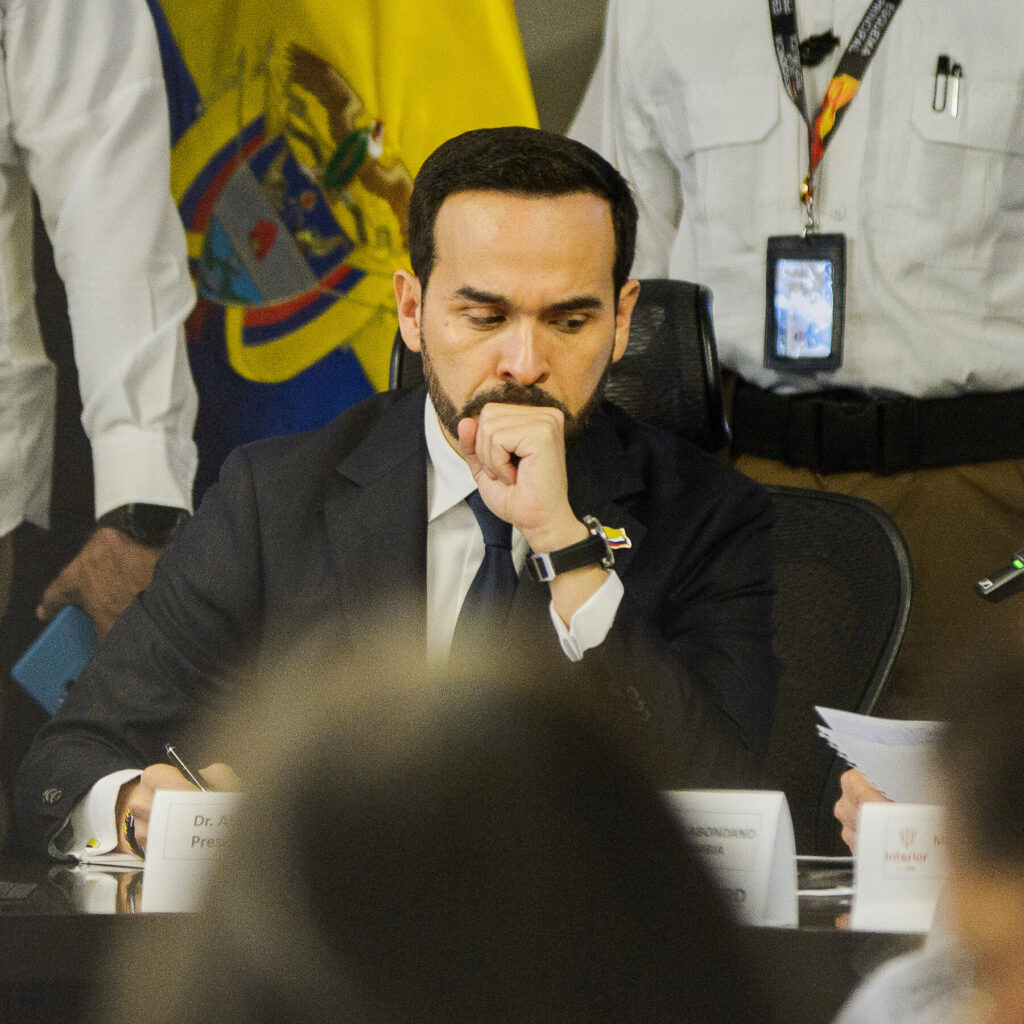
On the very day Abelardo De La Espriella assumed the presidency of Colombia, the country was rocked by a significant earthquake, thrusting the new leader into an immediate and formidable crisis. With no previous public office experience, De La Espriella now faces the urgent task of coordinating disaster response efforts, addressing widespread damage, and reassuring a shaken populace. This article examines the implications of this natural disaster on Colombia’s political landscape, the challenges confronting the new administration, and the broader context of disaster preparedness in the country.
Abelardo De La Espriella’s inauguration marked a historic moment as he stepped into the presidency without any prior experience in public office. His ascent to power was notable for its break from traditional political pathways, positioning him as an outsider with fresh perspectives. However, the timing of the earthquake could not have been more challenging. The seismic event struck shortly after his inauguration, immediately testing his leadership capacity and crisis management skills.
The earthquake caused significant structural damage across several regions, disrupting daily life and critical infrastructure. For a new administration still settling into office, the immediate priorities include mobilizing emergency services, coordinating with local governments, and ensuring that relief reaches the most affected communities swiftly and efficiently. De La Espriella’s response in these early hours is critical for establishing public confidence in his presidency and setting the tone for his administration’s approach to governance.
The earthquake, registering a considerable magnitude, impacted numerous urban and rural areas, leading to casualties, displacement, and significant economic losses. Infrastructure such as roads, bridges, and buildings suffered damage, complicating rescue and relief operations. Power outages and communication disruptions further hindered coordination efforts, making the delivery of aid more complex.
Colombia’s geographic location along the Pacific Ring of Fire makes it inherently vulnerable to seismic activity. While the country regularly experiences natural disasters, the scale of this earthquake was unexpected in recent years, revealing critical vulnerabilities in infrastructure resilience and emergency preparedness. This event highlights the urgent need for robust disaster risk reduction strategies tailored to Colombia’s diverse and often challenging geography.
De La Espriella’s lack of prior public office experience presents both challenges and opportunities in managing this crisis. On one hand, his unfamiliarity with governmental structures and protocols could slow decision-making processes during the emergency, potentially delaying critical responses. On the other hand, his outsider status might enable innovative approaches and a break from bureaucratic inertia that can hamper swift action.
The administration must quickly establish effective communication channels among national agencies, regional authorities, and international partners to coordinate humanitarian aid efficiently. Managing public information is equally important to prevent panic and misinformation. Addressing the immediate needs of affected populations—including shelter, medical care, and food security—is paramount to stabilizing the situation.
Moreover, the political pressure to demonstrate competence and empathy is immense. The president’s handling of the disaster will likely influence public perception and political capital, impacting his ability to govern effectively beyond the crisis. Balancing urgent response efforts with transparent leadership will be essential in maintaining trust.
Colombia has a history of natural disasters, including earthquakes, floods, and landslides, which have shaped its approach to disaster management over time. The country has established institutions dedicated to emergency response and risk mitigation, such as the National Unit for Disaster Risk Management. However, resource constraints and geographic challenges—such as remote mountainous regions—remain significant hurdles to comprehensive preparedness and rapid response.
This earthquake underscores the importance of investing in infrastructure resilience, early warning systems, and community preparedness programs. Strengthening these areas can reduce the human and economic toll of future disasters by enabling faster evacuations, minimizing structural damage, and enhancing public awareness.
International cooperation also plays a vital role in Colombia’s disaster response framework. The government frequently collaborates with neighboring countries and global organizations to enhance capabilities, share expertise, and mobilize aid during emergencies. Such partnerships are crucial for supplementing national resources and ensuring a coordinated response to large-scale disasters.
The immediate aftermath of the earthquake will define Abelardo De La Espriella’s presidency. Effective crisis management can build trust and unify the nation, while missteps could exacerbate social tensions and undermine governance. The public and political observers alike will scrutinize how decisively and compassionately the new president addresses the disaster’s consequences.
The situation demands transparent communication, decisive action, and a commitment to long-term recovery efforts that go beyond immediate relief. De La Espriella’s ability to navigate this crisis will be closely watched by both domestic and international observers, shaping perceptions of his leadership style and political viability.
Beyond the disaster response, this moment offers an opportunity for Colombia to reassess and strengthen its disaster preparedness frameworks. By learning from the current crisis, the country can enhance its resilience against future seismic events, ensuring that communities are better protected and that emergency systems are more robust.
The convergence of Abelardo De La Espriella’s inauguration and a devastating earthquake presents a profound test for Colombia’s new leadership. While the challenges are formidable, this crisis also offers a critical opportunity to demonstrate effective governance and to reinforce the nation’s disaster resilience. As Colombia begins the path to recovery, the actions taken now will shape not only the immediate relief efforts but also the country’s preparedness for future natural disasters. De La Espriella’s presidency, still in its infancy, will be defined by how he navigates this pivotal moment.
Originally reported by nytimes.com. Adapted for our readers with AI assistance.
Keep reading
Business
Nigerian shoppers are increasingly turning to AI assistants like ChatGPT, Claude and Gemini for product ...
Business
The global developer workforce has undergone a transformative expansion over the past five years, fundam...
Business
Neighborhood Intelligence, the entity formed from Bed Bath & Beyond Inc.'s restructuring, has r...
TAMFIS NIG LTD
Electrical and instrumentation engineering, bid preparation and consulting, IT and software.