
Art & Culture
Vote for Your 10 Best TV Shows of the 21st Century
More than 500 notable TV stars, showrunners and other experts voted for the best shows of the century. Now it’s your turn.
TAMFIS NIG LTDRC 8067447CAC ACTIVEFinima, Bonny Island, Rivers State

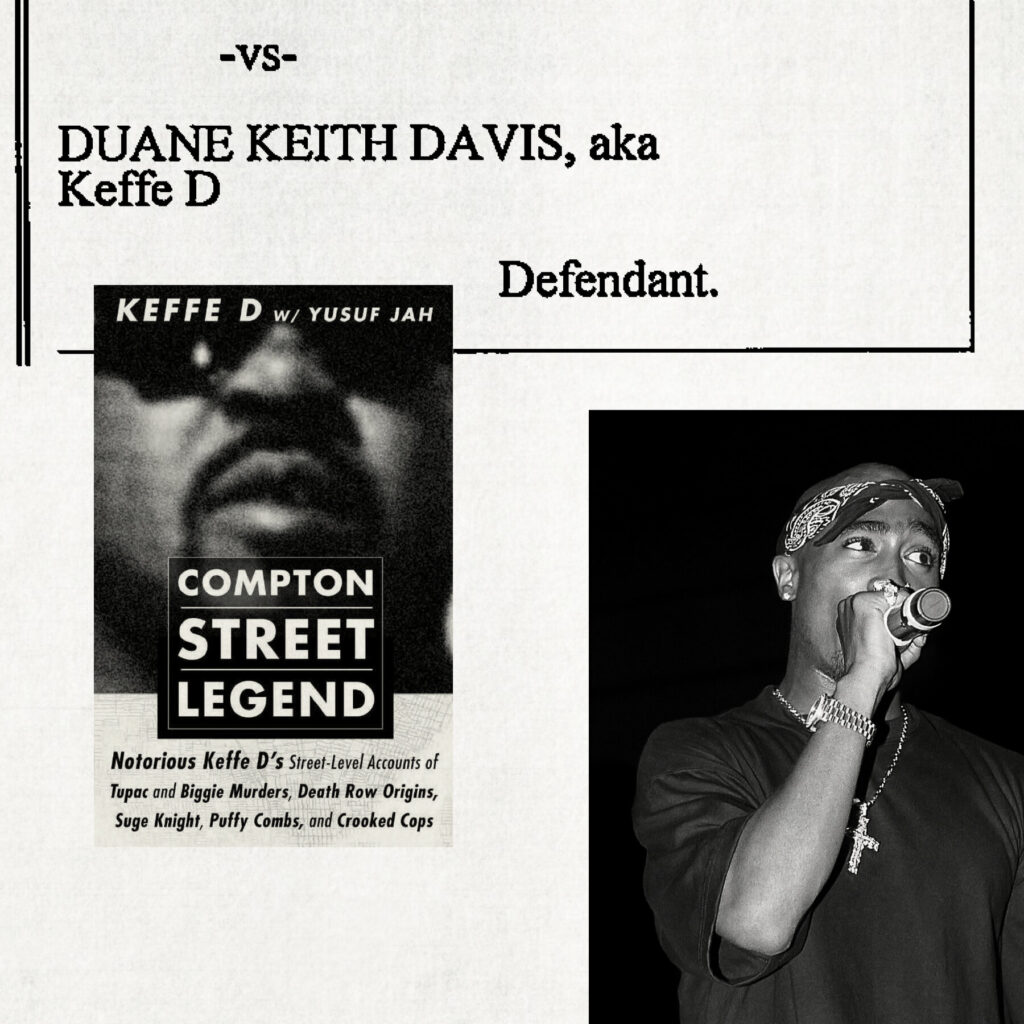
The murder of Tupac Shakur in 1996 remains one of the most notorious unsolved cases in music history. Central to the ongoing investigation and legal proceedings is Duane Davis, a figure who previously detailed his role in the rapper's death through a memoir. However, as his trial commences, Davis has recanted those claims, describing his book as fictional. This development introduces fresh complexity into a case already steeped in controversy and speculation, highlighting the challenges faced by the justice system in addressing high-profile crimes intertwined with cultural significance.
Tupac Shakur's death on September 7, 1996, following a drive-by shooting in Las Vegas, sent shockwaves through the music world and beyond. The rapper, known for his profound influence on hip-hop and his outspoken social commentary, was only 25 years old at the time of his passing. Despite numerous investigations, the case remains officially unsolved, fueling decades of speculation and conspiracy theories.
Over the years, various individuals have been linked to the murder, but no definitive legal resolution has been reached. Among those connected to the case is Duane Davis, a figure whose involvement has been the subject of intense scrutiny. Davis gained public attention when he published a memoir that detailed his alleged participation in the fatal shooting, offering a perspective that implicated himself and others. These revelations added a new dimension to the ongoing discourse surrounding Tupac's murder, drawing renewed interest from both fans and law enforcement.
The case’s unresolved status has contributed to Tupac’s enduring legacy, with his music and persona continuing to inspire generations. The murder remains a symbol of the turbulent era in hip-hop during the 1990s, marked by rivalries and violence that shaped the genre’s cultural landscape.
Initially, Davis’s memoir was seen as a significant confession, providing what many considered insider insight into the events leading to Tupac's death. The book’s candid tone and detailed narrative made it a focal point for those seeking clarity on the case, with Davis boasting about his role in orchestrating the shooting.
However, as legal proceedings against Davis began, he publicly disavowed the memoir's contents, stating that the account was fictionalized and not an accurate representation of events. This sharp reversal raises critical questions about the reliability of his previous statements and the motivations behind publishing such a memoir in the first place.
The retraction complicates the prosecution’s case, as the memoir had been considered prime evidence in their efforts to establish Davis’s involvement. It also challenges the public’s understanding of the events, underscoring the difficulties in distinguishing fact from fiction in high-profile criminal cases where personal narratives can be both revealing and misleading.
Experts note that such retractions are not uncommon in cases involving self-incriminating memoirs, where individuals may seek to control their public image or legal standing. Davis’s change of stance adds a layer of uncertainty that legal teams must navigate carefully.
The trial of Duane Davis represents a pivotal moment in the pursuit of justice for Tupac Shakur. Prosecutors have relied heavily on the memoir as a key piece of evidence, aiming to use it to demonstrate Davis’s direct involvement in the murder.
With Davis now rejecting the memoir’s authenticity, the prosecution faces the significant challenge of corroborating their claims through alternative means. This includes relying on witness testimonies, forensic evidence, and other investigative materials gathered over the years. The absence of a confession or consistent narrative from Davis complicates efforts to build a solid case.
Meanwhile, the defense is expected to highlight the contradictions in Davis’s statements to undermine the prosecution’s credibility. This legal dynamic exemplifies the complexities inherent in cases where crucial evidence is tied to contested personal accounts, making it difficult for jurors and the public to discern the truth.
The trial also underscores broader issues in the justice system when dealing with cold cases and celebrity-related crimes, where media coverage and public opinion can influence proceedings. The court must balance these pressures while ensuring a fair trial based on reliable evidence.
Tupac Shakur’s murder has had a profound and lasting impact on hip-hop culture and public consciousness. The ongoing legal developments surrounding Duane Davis’s involvement continue to attract significant media attention, reflecting the enduring fascination with the case.
The contradictory nature of Davis’s claims and subsequent retraction feeds into the broader narrative of mystery and intrigue that has surrounded Tupac’s death for decades. This situation highlights the challenges law enforcement and the justice system face when dealing with cases that involve celebrity figures and cultural icons.
For fans and observers, the trial serves as a poignant reminder of the unresolved pain and lingering questions within the hip-hop community. The outcome may influence how future cases involving prominent figures are approached, potentially shaping public expectations around transparency, accountability, and the pursuit of justice in the entertainment world.
Moreover, the case has sparked discussions about violence in the hip-hop industry and the need for systemic change to prevent similar tragedies. Tupac’s death remains a catalyst for conversations about the intersection of art, culture, and societal issues.
The retraction of Duane Davis’s memoir claims injects new uncertainty into the long-standing investigation of Tupac Shakur’s murder. As the trial unfolds, the justice system must navigate the complexities of contested evidence and personal testimony, while striving to uphold the principles of truth and accountability. Beyond the courtroom, this development reflects the enduring challenges in resolving cases that resonate deeply within cultural and historical contexts. For fans and the public alike, the hope remains that clarity and justice will eventually emerge from the shadows surrounding one of music’s most tragic losses.
Originally reported by nytimes.com. Adapted for our readers with AI assistance.
Keep reading
Art & Culture
More than 500 notable TV stars, showrunners and other experts voted for the best shows of the century. Now it’s your turn.
Art & Culture
Rapper Lil Durk was found not guilty in a murder-for-hire trial involving a rival’s ambush that tragically resulted in another man’s death. This verdict…
Entertainment
The Metropolitan Museum of Art faced mounting criticism for its decision to honor designer John Galliano, who was previously convicted of a hate crime…
TAMFIS NIG LTD
Electrical and instrumentation engineering, bid preparation and consulting, IT and software.