
Business
Neighborhood Intelligence Reimagines Fathom Deal to Unlock Digital Asset Value
The company formerly known as Bed Bath & Beyond is restructuring its partnership with Fathom to leverage digital assets like tZero, Medici, and GrainChain,…
TAMFIS NIG LTDRC 8067447CAC ACTIVEFinima, Bonny Island, Rivers State

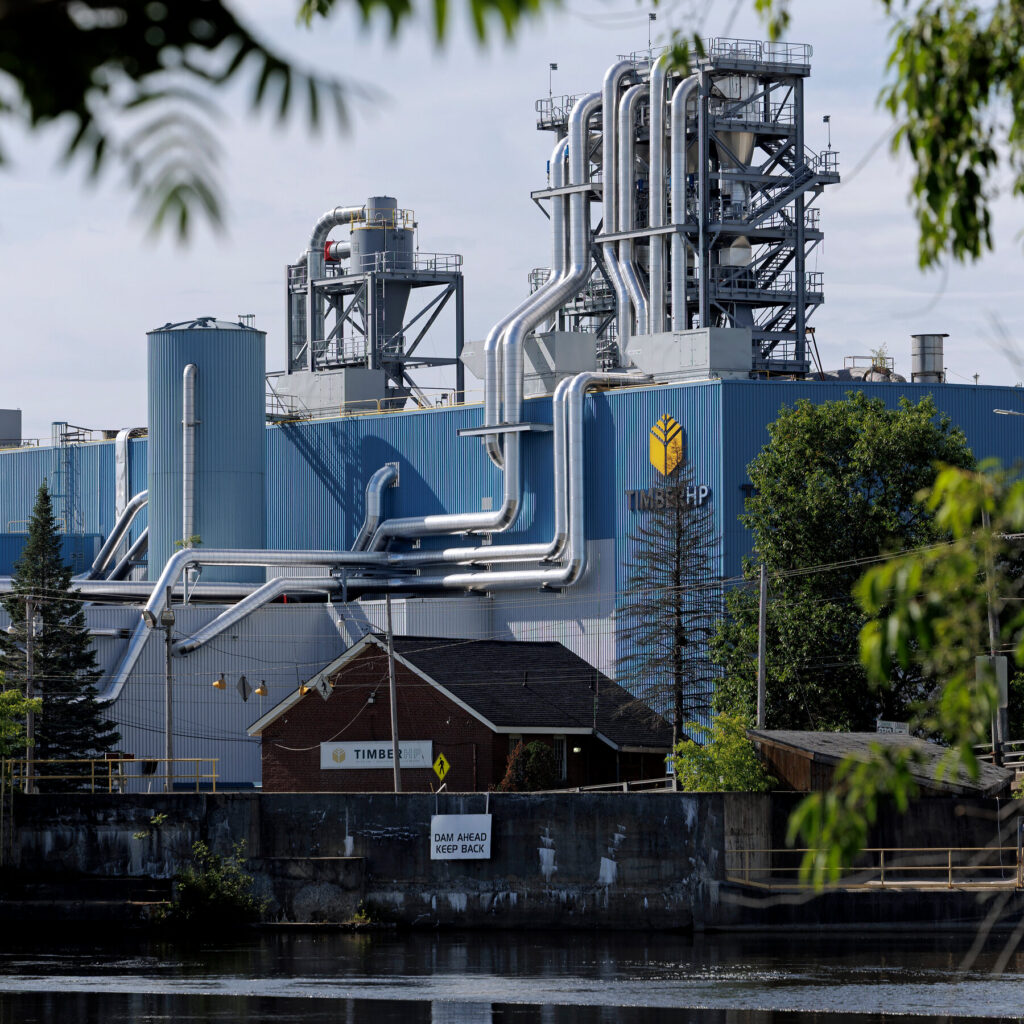
For more than 100 years, Madison, Maine’s paper mill was the heartbeat of the community, providing stable employment and shaping the town’s identity. The mill’s presence influenced everything from local culture to economic stability, supporting generations of families and underpinning the town’s social fabric. However, recent changes in ownership have introduced uncertainty about the mill’s future and, by extension, Madison’s economic well-being. As the town grapples with this transition, its residents and leaders are actively seeking ways to adapt and sustain their community amid a shifting economic landscape marked by broader industrial decline.
Madison Paper Industries served as the cornerstone of Madison’s economy for over a century. Founded in the early 1900s, the mill became more than just a workplace; it was a defining feature of the town’s identity and a source of community pride. Generations of families found steady employment within its walls, with many residents’ livelihoods directly tied to the mill’s operations. This deep connection fostered a strong sense of belonging and shaped the town’s social and economic landscape.
The mill’s influence extended beyond employment. It played a significant role in shaping local infrastructure—from roads to public utilities—and supported educational and community institutions through tax revenues. Local businesses thrived by catering to mill workers and their families, creating a symbiotic economic ecosystem. Madison’s identity as a quintessential mill town was thus inextricably linked to the success and stability of the paper industry.
In recent years, Madison Paper Industries underwent a significant change in ownership, marking a pivotal moment for the town. The new owners brought different management strategies and operational priorities, signaling a shift from the long-standing status quo. While the acquisition offered potential for modernization and investment, it also introduced uncertainty about the mill’s future role in the local economy.
This transition has generated widespread concern among residents and workers alike. Many question the security of their jobs amid evolving operational practices and market pressures. There is uncertainty about whether the new ownership will maintain, expand, or downsize operations, and how such decisions will impact the town’s economic stability. This situation highlights the vulnerability of communities heavily dependent on a single industry, where shifts in ownership can reverberate through the entire local economy.
Adding to the concern is the broader context of the paper industry, which faces global competition and changing demand patterns. These external pressures compound the challenges the new owners face and intensify the uncertainty felt by the community.
Madison’s reliance on the paper mill has exposed it to significant economic risks, particularly as global demand for paper products fluctuates and technological advancements reduce labor needs. The decline in traditional manufacturing jobs is not unique to Madison but reflects broader trends affecting many small industrial towns across the United States.
Automation and shifts in consumer behavior have led to a shrinking job market within the paper industry, challenging the town’s economic foundation. These changes have resulted in fewer employment opportunities and increased economic vulnerability for residents who have long depended on mill jobs.
Beyond job losses, Madison faces demographic challenges such as population decline, as younger residents move elsewhere seeking diverse opportunities. This outmigration reduces the town’s consumer base and tax revenues, further complicating efforts to attract new businesses and sustain public services.
The town’s economic concentration in a single sector has made diversification difficult, leaving it vulnerable to external market forces and hindering long-term growth prospects. Without a broader economic base, Madison struggles to build resilience against the cyclical nature of the paper industry and global market shifts.
Recognizing the need for change, Madison’s local leaders and residents have launched initiatives aimed at economic diversification and community revitalization. These efforts include promoting small business development to reduce dependence on the mill, investing in workforce retraining programs to equip residents with skills for emerging industries, and exploring tourism potential linked to the region’s natural beauty and outdoor recreation opportunities.
Collaboration among public agencies, private investors, and community organizations has been key to these efforts. By leveraging local assets such as natural resources and cultural heritage, Madison aims to create a more resilient economic foundation.
These initiatives seek to honor the town’s industrial past while fostering innovation and sustainable growth, balancing respect for tradition with the necessity of adaptation. Programs designed to attract entrepreneurs and support startups are gradually diversifying the economic landscape, while efforts to improve infrastructure and community amenities aim to enhance quality of life and retain residents.
Additionally, community events and cultural projects are helping to rebuild a sense of shared identity and optimism, which is vital as the town navigates this period of change.
Madison’s experience is emblematic of many mill towns across the country facing the decline of traditional manufacturing industries. It underscores the critical importance of proactive economic planning and broad community engagement in managing industrial transitions.
Towns reliant on single industries must anticipate change and develop strategies to mitigate economic shocks. Madison’s journey offers valuable insights into how rural communities can navigate economic shifts by leveraging local strengths, fostering innovation, and building partnerships that support long-term viability.
While the challenges are significant, the town’s efforts demonstrate that with coordinated action and vision, communities can redefine their identities and build sustainable futures beyond their industrial legacies. Madison’s story highlights the resilience and adaptability needed to confront economic change in an increasingly globalized and technologically advanced world.
Madison, Maine stands at a crossroads, emblematic of many small towns grappling with the decline of traditional manufacturing industries. The paper mill’s uncertain future poses significant challenges, but the community’s proactive efforts to diversify and revitalize offer a hopeful path forward. Balancing respect for its industrial heritage with innovative economic strategies will be essential to Madison’s resilience and sustainability in the years ahead. The town’s experience serves as a powerful example of how communities can confront economic change with determination, collaboration, and vision, ultimately forging a future that honors their past while embracing new opportunities.
Originally reported by nytimes.com. Adapted for our readers with AI assistance.
Keep reading
Business
The company formerly known as Bed Bath & Beyond is restructuring its partnership with Fathom to leverage digital assets like tZero, Medici, and GrainChain,…
AI for Creatives
The recently released poster for the Elon Musk documentary 'Musk' has sparked widespread discussion for its unconventional and arguably amateurish design. This article explores…
AI Ethics & Governance
Recent advances in machine perfusion technology are not only preserving donated livers but also making them biologically younger at a molecular level. This breakthrough…
TAMFIS NIG LTD
Electrical and instrumentation engineering, bid preparation and consulting, IT and software.