
News
RUSSIA versus NATO and BRICS vs. NATO Military SWOT
Recall that Poland’s Minister Sikorski’s core claim is partially supported by the numbers, but the framing “quite quickly” and “without the U.S.” does not…
TAMFIS NIG LTDRC 8067447CAC ACTIVEFinima, Bonny Island, Rivers State

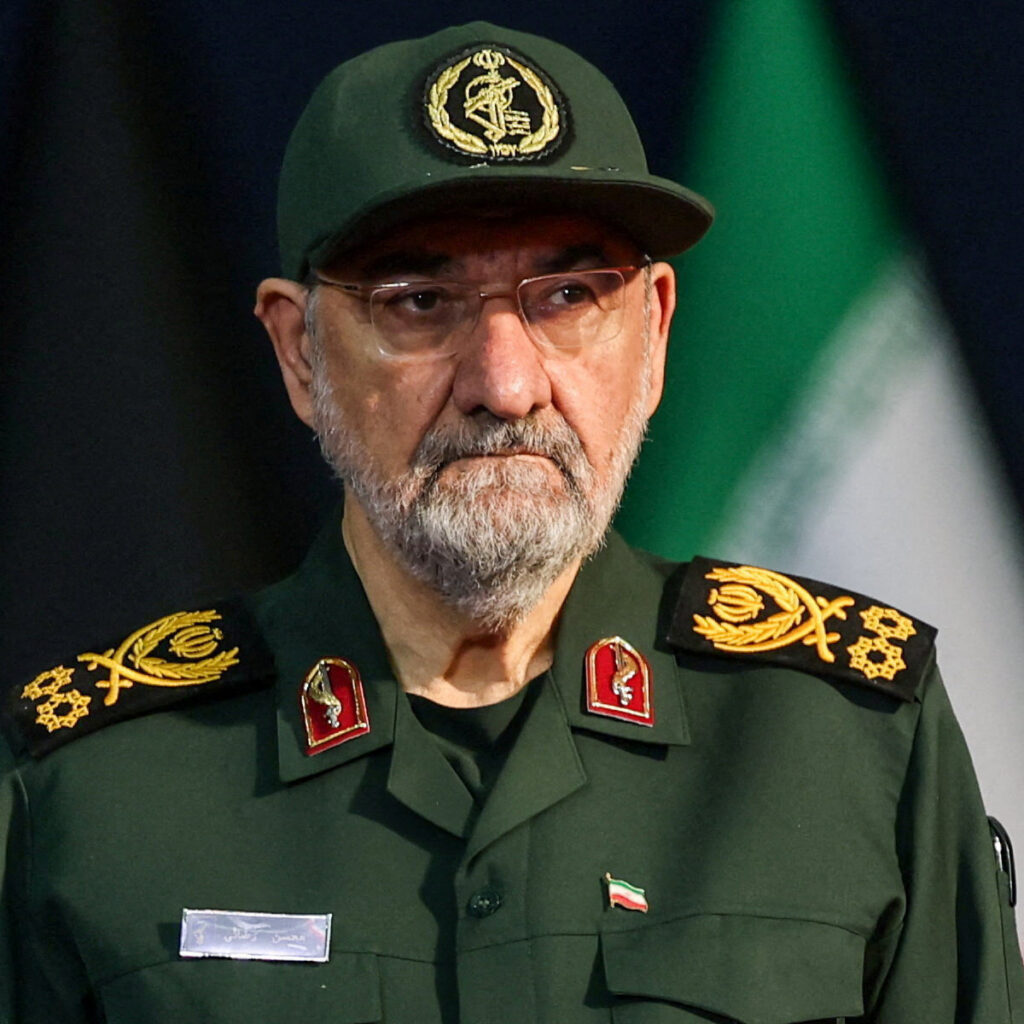
Iran’s recent appointment of Mohsen Rezaei as secretary of the Supreme National Security Council underscores a strategic consolidation of power by the country’s entrenched political and military leadership. Rezaei, a seasoned commander of the Islamic Revolutionary Guard Corps (I.R.G.C.), brings decades of experience and influence to one of the most critical security positions in Iran. This move reflects the ongoing dominance of the old guard within Iran’s political landscape and signals potential implications for both domestic governance and international relations amid a complex regional environment.
Mohsen Rezaei’s career spans several decades, primarily within the Islamic Revolutionary Guard Corps, Iran’s elite military force established after the 1979 revolution. His longstanding service has positioned him as a key figure within the country’s security and political frameworks. Over the years, Rezaei has cultivated a reputation as a staunch defender of Iran’s revolutionary ideals and has held various influential roles, including commanding the I.R.G.C. during critical periods such as the Iran-Iraq War.
His appointment as secretary of the Supreme National Security Council places him at the nexus of Iran’s national security decision-making process, where he will coordinate policies related to defense, intelligence, and foreign affairs. This role is pivotal, especially given the complex regional dynamics and internal challenges Iran faces, including economic sanctions and geopolitical tensions.
The Supreme National Security Council is Iran’s highest security body, responsible for shaping the country’s defense and foreign policy strategies. It serves as a platform where military, intelligence, and political leaders collaborate to address national security concerns. The secretary of this council wields significant influence, often acting as a bridge between the Supreme Leader, the president, and various security organizations.
By appointing Rezaei, Iran signals a preference for experienced, ideologically aligned leadership within this critical institution. His background in the I.R.G.C. suggests that military perspectives will continue to play a dominant role in shaping Iran’s security policies, reinforcing the council’s focus on safeguarding the Islamic Republic’s revolutionary principles and strategic interests.
Rezaei’s elevation to the secretary position reflects a broader trend of the old guard consolidating control over Iran’s political and security apparatus. This cohort, characterized by its revolutionary credentials and loyalty to the Supreme Leader, has maintained a firm grip on power despite internal and external pressures, including economic challenges and calls for reform.
This consolidation may lead to a more unified and hardline approach to both domestic governance and foreign policy. It could also signal reduced space for reformist or moderate voices within Iran’s political system, potentially impacting negotiations with international actors and the handling of internal dissent. The emphasis on ideological consistency and security priorities may limit political pluralism and reinforce conservative policies.
Given Rezaei’s military background and his role within the I.R.G.C., his appointment is likely to influence Iran’s posture in regional conflicts and its interactions with neighboring countries. The I.R.G.C. has been instrumental in projecting Iranian influence across the Middle East, including in Syria, Iraq, Lebanon, and Yemen, through support for allied militias and strategic partnerships.
Rezaei’s leadership may reinforce Iran’s commitment to these regional engagements and its strategic alliances, potentially complicating efforts by other countries to negotiate or de-escalate tensions. His presence at the helm of the Supreme National Security Council could also affect Iran’s approach to international agreements, including those related to its nuclear program, by prioritizing security concerns and resistance to external pressure.
While Rezaei’s appointment underscores continuity within Iran’s security establishment, it also raises questions about the potential for change. His extensive experience could bring stability and coherence to Iran’s security policies at a time of significant challenges, including economic pressures, geopolitical isolation, and evolving regional threats.
However, the dominance of the old guard may limit innovation or adaptation in response to evolving threats and opportunities. Observers will be watching closely to see how Rezaei navigates these dynamics and whether his tenure will lead to shifts in Iran’s strategic calculations or maintain the status quo amid ongoing domestic and international pressures.
Mohsen Rezaei’s rise to the position of secretary of the Supreme National Security Council highlights the enduring influence of Iran’s revolutionary-era leadership within the country’s security and political spheres. His appointment suggests a strategic emphasis on continuity and military experience in navigating Iran’s complex domestic and regional challenges. While this may provide stability, it also raises important questions about the future direction of Iran’s policies and its interactions on the international stage. Understanding Rezaei’s role and the broader context of this leadership consolidation is essential for those seeking to grasp the evolving dynamics of Iranian governance and security strategy.
Originally reported by nytimes.com. Adapted for our readers with AI assistance.
Keep reading
News
Recall that Poland’s Minister Sikorski’s core claim is partially supported by the numbers, but the framing “quite quickly” and “without the U.S.” does not…
News
By Engr. Tamunofiniarisa BrownReading Time: 6 Minutes The conflict between Russia and Ukraine is often framed in the media as a simple battle between…
World News
Following a tragic crash on the A66 near Middlesbrough that killed two police officers and five young men, Cleveland Police have arrested three more…
TAMFIS NIG LTD
Electrical and instrumentation engineering, bid preparation and consulting, IT and software.