Politics
How Minnesota Figures Into the Presidential Politics of Insulin Prices
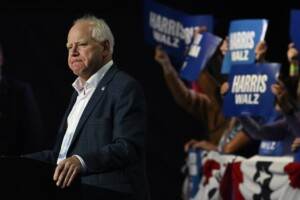
Politics tamfitronics Minnesota Gov. Tim Walz attends a rally in Asheville, North Carolina, on Sept. 17. Minnesota led the way on in...
TAMFIS NIG LTDRC 8067447CAC ACTIVEFinima, Bonny Island, Rivers State

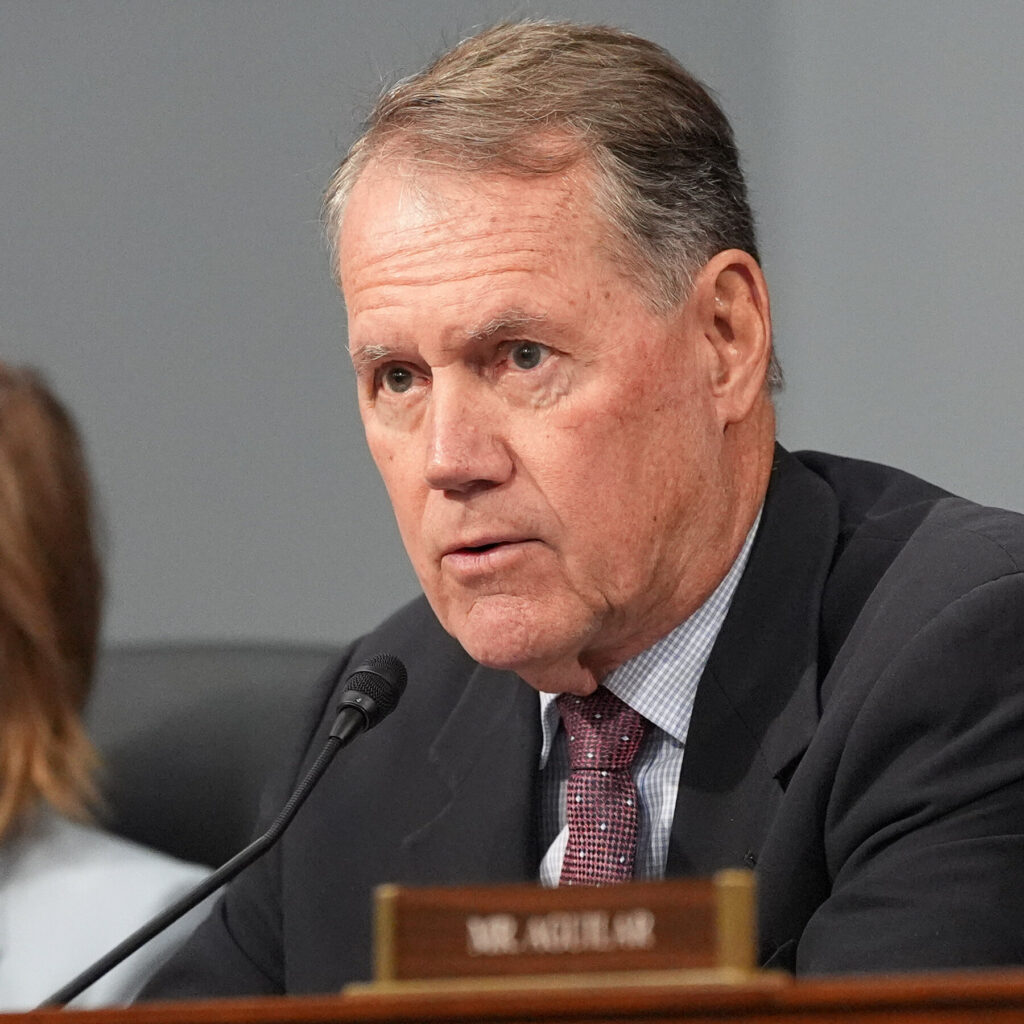
The recent congressional race in Hawaii attracted significant attention as moderate Democrat Ed Case successfully defended his seat against Jarrett Keohokalole, a younger progressive challenger. This contest brought to the forefront critical issues facing Hawaii, including the soaring cost of living and debates over generational leadership within the Democratic Party. The outcome provides valuable insight into the political dynamics shaping Hawaii and reflects wider national conversations about the balance between progressivism and moderation within the party.
Ed Case is a seasoned politician with a long history of representing Hawaii’s interests in Congress. Known for his moderate stance, Case’s pragmatic approach has garnered support from a broad spectrum of voters who prioritize stability and incremental policy changes over radical shifts. His experience in navigating complex legislative environments has been a key asset in addressing Hawaii’s unique challenges, including its economic and cultural complexities.
In contrast, Jarrett Keohokalole represents a younger generation of Democrats advocating for more progressive reforms. His campaign emphasized bold solutions to economic and social justice issues, aiming to resonate with voters eager for change and new leadership. Keohokalole’s platform sought to energize the electorate by pushing for systemic reforms and addressing inequalities more aggressively, reflecting a growing movement within the party to tackle entrenched social and economic disparities.
The race thus became a microcosm of a larger national debate within the Democratic Party, where moderates and progressives often clash over policy priorities and political strategies. This contest highlighted the tension between experience and innovation, with each candidate embodying distinct visions for Hawaii’s future and the direction of the party as a whole.
A central theme of the campaign was Hawaii’s skyrocketing cost of living, a pressing concern for many residents facing housing affordability crises, rising prices, and economic uncertainty. Both candidates acknowledged the severity of this issue but proposed markedly different approaches to address it.
Case’s platform focused on pragmatic solutions aimed at balancing economic growth with affordability. He advocated for policies supporting local businesses and infrastructure improvements, emphasizing steady progress without drastic systemic changes. His approach reflected a belief that sustainable development and incremental reforms could effectively tackle economic pressures while maintaining economic stability.
Conversely, Keohokalole pushed for more aggressive measures to address housing affordability and income inequality. His proposals included expanding social programs and implementing regulatory reforms designed to curb real estate speculation, aiming for more immediate and sweeping changes to the economic landscape. This approach appealed to voters frustrated with the pace of change and the persistence of economic disparities.
Voters were thus presented with a choice between a moderate, steady approach that prioritized stability and a progressive agenda promising rapid reform and social equity. This divergence underscored the broader debate about how best to confront Hawaii’s economic challenges, reflecting wider national conversations about economic justice and policy effectiveness.
The election also highlighted questions about generational leadership within Hawaii’s political landscape. Keohokalole’s campaign symbolized a push for younger voices and new perspectives in government, reflecting a desire among some voters for innovation and a break from traditional politics. His candidacy resonated with younger voters and those seeking a more transformative political agenda.
Case, though older, positioned himself as a bridge between generations. He emphasized his understanding of both traditional values and contemporary challenges, seeking to appeal to voters who valued experience but also recognized the need for responsiveness to evolving issues. His message suggested that effective leadership requires both wisdom and adaptability.
This dynamic sparked debate among voters about the importance of experience versus innovation. While some expressed a strong desire for fresh ideas and leadership that could bring transformative change, others prioritized proven leadership capable of navigating the complexities of governance and delivering tangible results.
The outcome suggests that, at least in this race, the electorate favored a candidate who could balance experience with adaptability, demonstrating that generational change does not necessarily mean discarding established expertise but rather integrating new perspectives with seasoned judgment.
Case’s victory may signal a preference among Hawaii voters for moderation amid economic uncertainty, reflecting concerns about the feasibility and potential impacts of rapid policy shifts. His win indicates that many constituents value a measured approach to complex issues like the cost of living, favoring policies that promote stability and gradual improvement.
For the Democratic Party, this race serves as a case study in balancing progressive aspirations with pragmatic governance, especially in states facing unique economic and social challenges. It underscores the ongoing negotiation within the party over its future direction as it seeks to unify diverse constituencies and address pressing issues such as housing affordability and economic inequality.
Hawaii’s political landscape, shaped by its distinct cultural and economic context, continues to be an important arena for these debates. The state’s challenges require nuanced solutions that consider both local realities and broader national trends, highlighting the need for leaders who can navigate complex intersections of policy, culture, and economy.
This election highlights the importance of candidates who can effectively communicate and implement policies that resonate with a wide range of voters, bridging divides between progressivism and moderation. It also reflects the evolving nature of political identity in Hawaii, where tradition and innovation must coexist to address contemporary challenges.
The recent congressional election in Hawaii between Ed Case and Jarrett Keohokalole encapsulated key political and economic tensions within the state and the Democratic Party at large. Case’s victory underscores a current preference for experienced, moderate leadership capable of addressing complex issues like the soaring cost of living without resorting to radical shifts. Meanwhile, the spirited challenge from a younger progressive highlights the ongoing demand for innovation and social reform. As Hawaii continues to grapple with economic pressures and evolving political identities, this race offers a valuable lens through which to understand the balance between stability and change in contemporary American politics.
Originally reported by nytimes.com. Adapted for our readers with AI assistance.
Keep reading
Politics
Politics tamfitronics Minnesota Gov. Tim Walz attends a rally in Asheville, North Carolina, on Sept. 17. Minnesota led the way on in...
Politics
Deji Adeyanju; Niger State Mining Victims Human rights lawyer and activist, Deji Adeyanju, has accepted his appointment as a member of the Federal Government’s…
Politics
Democracy, Featured, Global, Global Governance, Headlines, International Justice, IPS UN: Inside the Glasshouse, TerraViva United Nations UNITED NATIONS, Sep 11 2026 (IPS) – When…
TAMFIS NIG LTD
Electrical and instrumentation engineering, bid preparation and consulting, IT and software.