Politics
How Minnesota Figures Into the Presidential Politics of Insulin Prices
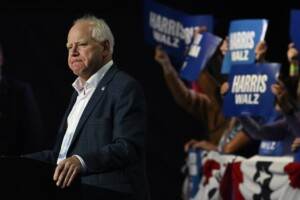
Politics tamfitronics Minnesota Gov. Tim Walz attends a rally in Asheville, North Carolina, on Sept. 17. Minnesota led the way on in...
TAMFIS NIG LTDRC 8067447CAC ACTIVEFinima, Bonny Island, Rivers State

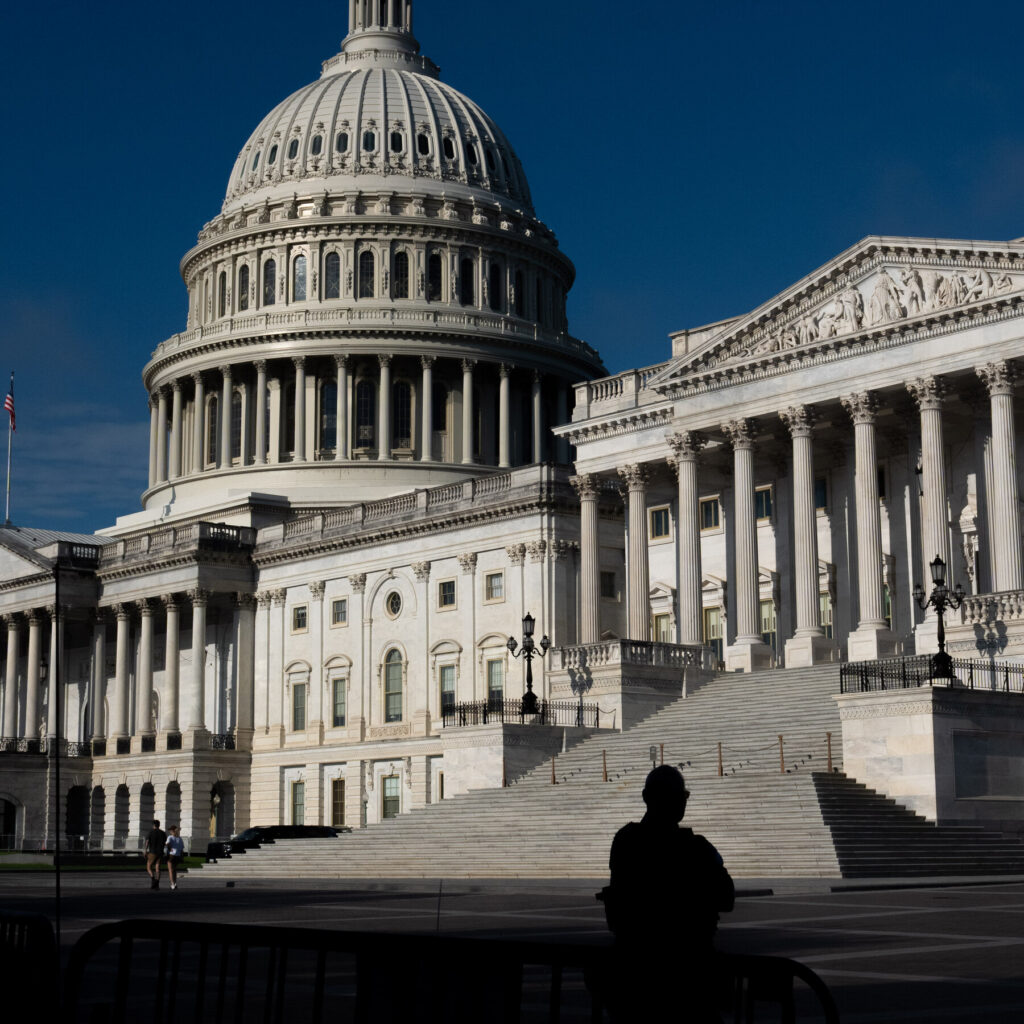
As the federal government’s funding deadline approaches, the Senate has taken a proactive step by passing a stopgap spending bill more than a month in advance. This early action reflects a shared determination among lawmakers to prevent a government shutdown and maintain operational stability ahead of the upcoming midterm elections. This article explores the nature of the stopgap bill, the bipartisan cooperation behind it, its implications for the midterms, and the complex challenges that lie ahead in the budget process.
A stopgap spending bill, also known as a continuing resolution, is a temporary funding measure enacted when the full federal budget has not been approved by the start of the fiscal year. Its primary purpose is to keep government operations running and avoid a shutdown, which occurs when funding lapses and non-essential federal services are forced to halt.
In this case, the Senate’s decision to pass the stopgap bill more than a month before the official spending deadline is a strategic move designed to ensure uninterrupted government functions. By approving this temporary funding, lawmakers effectively buy additional time to negotiate and finalize the comprehensive budget without the immediate pressure of an impending shutdown. This approach helps maintain essential services and provides a buffer for more detailed budget discussions, reducing the risk of last-minute crises.
The Senate’s passage of the stopgap bill highlights a rare moment of bipartisan cooperation in an often polarized political environment. Both major parties appear motivated to avoid a contentious budget battle that could dominate headlines and negatively impact voter sentiment ahead of the midterm elections.
Historically, government shutdowns have resulted from partisan deadlock over budget priorities and have been politically damaging to the parties involved. By acting early and agreeing on a temporary funding solution, senators demonstrate a pragmatic approach that prioritizes the continuity of federal services over political point-scoring. This cooperation suggests a shared recognition of the high costs associated with shutdowns, including disruptions to government operations, economic consequences, and erosion of public trust.
This early bipartisan agreement, achieved more than a month before the deadline, reflects an eagerness on both sides to avoid the political fallout that accompanies shutdowns. It also indicates a willingness to engage in dialogue and compromise despite broader political tensions, underscoring the importance lawmakers place on stable governance during a politically sensitive period.
With midterm elections just months away, avoiding a government shutdown through this stopgap bill reduces the risk of a politically charged crisis that could sway public opinion against incumbent lawmakers. Shutdowns often erode trust in elected officials and become focal points in campaign debates, distracting from substantive policy discussions and shifting voter attention toward government dysfunction.
By sidestepping this potential flashpoint, lawmakers may be aiming to keep electoral debates focused on policy issues rather than budgetary brinkmanship. This strategic move helps maintain a stable political environment where candidates can concentrate on broader campaign themes instead of crisis management.
However, it is important to note that the stopgap measure is temporary, and budget negotiations will continue. If a comprehensive agreement is not reached, the possibility of future conflict and funding disruptions remains, potentially influencing the political landscape as the elections draw nearer. Thus, while the immediate threat of a shutdown is averted, the budget process remains a critical factor in the months ahead.
While the stopgap bill provides short-term relief, it does not resolve the underlying disagreements over the federal budget. Lawmakers now have additional time to negotiate the full appropriations bills that will fund government operations for the entire fiscal year.
These negotiations are often complex and involve balancing competing priorities, such as defense spending, social programs, infrastructure investments, and other federal initiatives. The extended timeline may facilitate more thorough deliberations and compromise, but it also introduces uncertainty as political dynamics continue to evolve in the lead-up to the midterms.
Federal agencies, interest groups, and the public will be closely watching these developments, as the final budget decisions will directly impact government services, economic stability, and national priorities. The stakes remain high, and successful negotiations will be critical to sustaining government functionality beyond the temporary funding window.
Moreover, the ongoing polarization in Congress means that while the stopgap bill has temporarily eased tensions, the potential for disagreements remains. Lawmakers will need to navigate ideological divides and constituent demands carefully to reach a comprehensive budget agreement that addresses pressing national needs.
Government shutdowns have occurred multiple times in recent decades, typically resulting from partisan disputes over budget allocations. These shutdowns have led to furloughs of federal employees, delays in essential services, and broader economic disruptions that affect businesses and citizens alike.
The Senate’s proactive approach in passing the stopgap bill well ahead of the deadline contrasts with previous instances where last-minute negotiations failed to prevent shutdowns. This shift suggests a growing awareness among lawmakers of the tangible costs associated with budget impasses and a willingness to seek compromise to avoid such outcomes.
However, the reliance on stopgap measures also underscores persistent challenges in the federal budget process, including deep political polarization and difficulties in reaching consensus on spending priorities. While temporary funding solutions provide breathing room, they are not a substitute for comprehensive budget agreements that reflect long-term fiscal planning and address the nation’s evolving needs.
This pattern highlights the need for reforms in the budget process to reduce the frequency of shutdown threats and enhance fiscal stability. Lawmakers and stakeholders may need to explore mechanisms that encourage timely negotiations and bipartisan cooperation to better serve the public interest.
The Senate’s early approval of a stopgap spending bill marks a significant step toward maintaining government stability during a politically sensitive period. By averting a shutdown ahead of the midterm elections, lawmakers have demonstrated a pragmatic willingness to cooperate across party lines. While this temporary measure buys critical time, the ultimate resolution depends on successful negotiations to finalize the federal budget. The coming weeks will be pivotal in determining whether bipartisan efforts can sustain momentum and deliver a comprehensive funding agreement that supports government operations and public confidence. This episode also serves as a reminder of the ongoing challenges in the federal budget process and the importance of continued cooperation to avoid future disruptions.
Originally reported by nytimes.com. Adapted for our readers with AI assistance.
Keep reading
Politics
Politics tamfitronics Minnesota Gov. Tim Walz attends a rally in Asheville, North Carolina, on Sept. 17. Minnesota led the way on in...
Politics
Deji Adeyanju; Niger State Mining Victims Human rights lawyer and activist, Deji Adeyanju, has accepted his appointment as a member of the Federal Government’s…
Politics
Democracy, Featured, Global, Global Governance, Headlines, International Justice, IPS UN: Inside the Glasshouse, TerraViva United Nations UNITED NATIONS, Sep 11 2026 (IPS) – When…
TAMFIS NIG LTD
Electrical and instrumentation engineering, bid preparation and consulting, IT and software.