
News
RUSSIA versus NATO and BRICS vs. NATO Military SWOT
Recall that Poland’s Minister Sikorski’s core claim is partially supported by the numbers, but the framing “quite quickly” and “without the U.S.” does not…
TAMFIS NIG LTDRC 8067447CAC ACTIVEFinima, Bonny Island, Rivers State

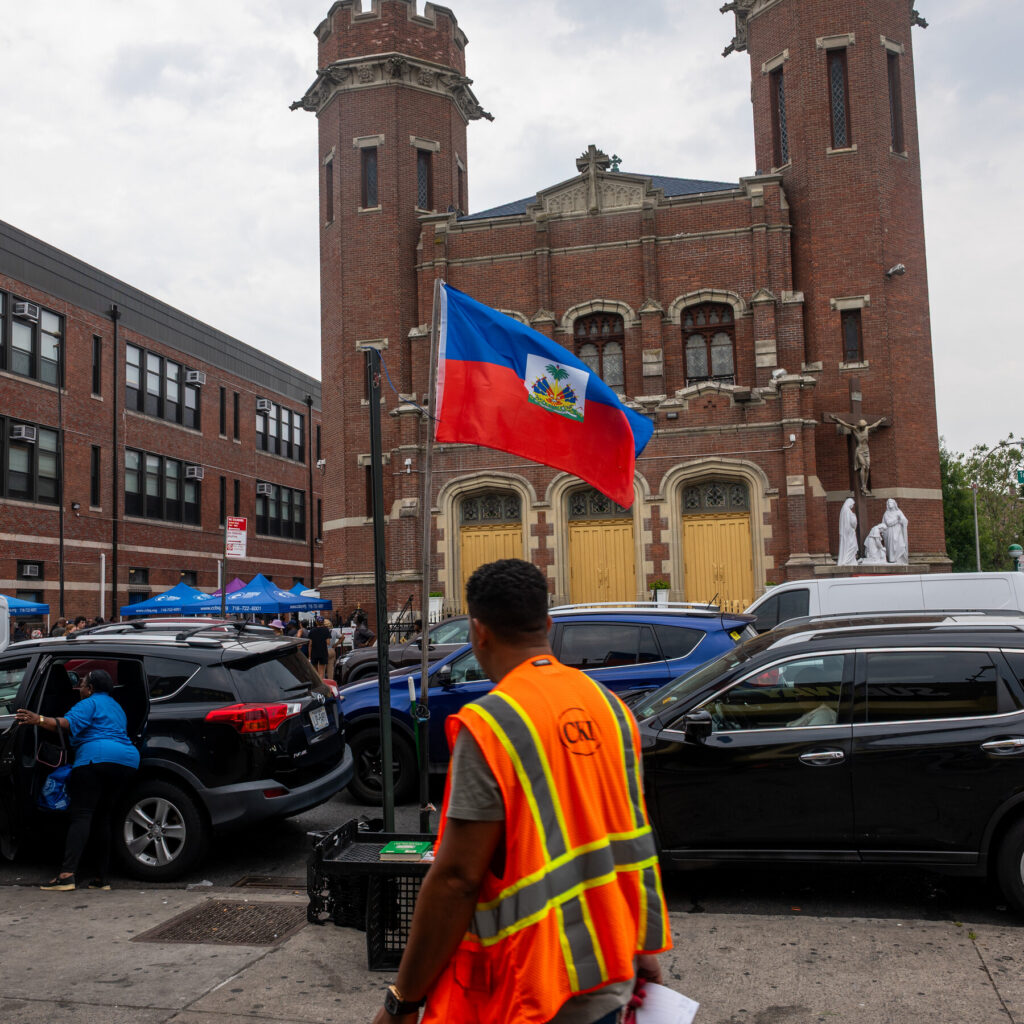
The revocation of Temporary Protected Status (TPS) for Haitian nationals has triggered significant employment disruptions in New York City, where many Haitians have found stable jobs within municipal agencies. City officials have confirmed that dozens of Haitian workers have already lost their positions due to the loss of protected status, and they warn that this figure could escalate into the hundreds. This development raises critical questions about the future of Haitian immigrants in the city, the operational impact on city services, and the broader challenges faced by immigrant communities when immigration protections are rescinded.
Temporary Protected Status is a humanitarian program that allows nationals from designated countries experiencing armed conflict, natural disasters, or other extraordinary conditions to live and work legally in the United States for a limited period. Haiti was granted TPS after the devastating 2010 earthquake, providing thousands of Haitians with legal protections and work authorization.
For many Haitian immigrants in New York City, TPS has been a critical lifeline, enabling them to secure employment, contribute to the local economy, and support their families both in the U.S. and abroad. The program’s termination removes these legal protections, rendering many workers ineligible to continue their jobs legally. This shift not only affects individual livelihoods but also disrupts the broader community networks that have developed over years of stable residence.
City officials have disclosed that dozens of Haitian workers employed by New York City agencies have already been dismissed following the loss of TPS. These workers held various roles critical to the city's daily operations, from administrative positions to frontline services such as sanitation, healthcare support, and public safety assistance.
The city has indicated that the initial number of job losses might only represent a fraction of the total impact. As more Haitian workers lose their protected status and work authorization, the number of dismissals could rise into the hundreds. This potential surge poses challenges not only for the affected individuals but also for the city’s workforce stability and the continuity of essential public services.
These dismissals highlight the direct consequences of immigration policy changes on local government operations and the lives of immigrant workers who have long been integral to the city’s functioning. The sudden reduction in staff may strain remaining employees and affect service delivery, underscoring the interconnectedness of immigration policy and municipal governance.
The loss of employment among Haitian workers in New York City is likely to have ripple effects throughout the Haitian community. Job loss means reduced household income, increased financial insecurity, and potential difficulties in meeting basic needs such as housing, healthcare, and education. These challenges can lead to increased reliance on social services and community support networks already under pressure.
Moreover, many Haitian families rely on remittances sent from relatives working in the U.S. The termination of TPS and subsequent job losses threaten these financial lifelines, potentially exacerbating economic hardships in Haiti, which continues to face political instability, natural disasters, and economic challenges. The reduction in remittances can have far-reaching effects on the well-being of families and communities in Haiti, including access to food, education, and healthcare.
The uncertainty surrounding legal status and employment also contributes to heightened stress and anxiety within the Haitian immigrant population, affecting mental health and community cohesion. This environment of insecurity may lead to social isolation, reduced civic participation, and challenges in accessing necessary services, further compounding the difficulties faced by the community.
New York City officials have acknowledged the gravity of the situation and the potential for widespread job losses among Haitian workers. While specific support programs have not been detailed publicly, the city typically provides resources such as job placement assistance, legal aid, and social services to affected immigrant communities.
Advocates are urging city and state governments to increase support for displaced workers, including expanded access to legal representation to explore alternative immigration options and enhanced social safety nets to mitigate economic impacts. Community organizations are also mobilizing to provide emergency assistance and counseling services to those affected.
The city’s response will be critical in managing the fallout and ensuring that affected workers and their families receive necessary assistance during this transition. Coordinated efforts between government agencies, nonprofits, and community leaders will be essential to address both immediate needs and longer-term challenges.
The termination of TPS for Haitians reflects broader shifts in U.S. immigration policy and raises questions about the future treatment of immigrants from countries facing ongoing crises. It highlights the precarious nature of temporary protections and the vulnerability of immigrant populations reliant on such programs.
Policymakers must balance enforcement of immigration laws with humanitarian considerations, especially for populations that have established deep roots and contributed significantly to their communities. The abrupt end of TPS can disrupt lives and local economies, prompting calls for more stable and humane immigration solutions.
The situation underscores the need for comprehensive immigration reform that provides clearer pathways to permanent residency and citizenship for vulnerable immigrant groups, reducing reliance on temporary programs that can be abruptly ended. Such reforms could promote integration, economic stability, and social cohesion.
For Haitian nationals and their advocates, the focus remains on seeking legislative or administrative solutions that restore or replace protections to prevent further displacement and economic hardship. The ongoing dialogue around immigration policy will be critical in shaping the future for Haitian immigrants and other similarly situated communities.
The rescission of Temporary Protected Status for Haitian immigrants in New York City has precipitated a wave of job losses that threaten not only the livelihoods of individual workers but also the broader stability of the city’s workforce and Haitian communities. While the immediate impact is clear, the long-term consequences depend on the response from city officials, advocates, and policymakers. Ensuring adequate support for displaced workers and pursuing durable immigration solutions will be essential to mitigate the human and economic toll of this policy change. As the situation evolves, it remains a critical example of how immigration policies directly affect local communities and the lives of immigrant workers who contribute to the fabric of American cities.
Originally reported by nytimes.com. Adapted for our readers with AI assistance.
Keep reading
News
Recall that Poland’s Minister Sikorski’s core claim is partially supported by the numbers, but the framing “quite quickly” and “without the U.S.” does not…
Politics
In August 2025, Zespri, the world’s largest marketer of kiwifruit, announced that the European Commission had approved what it described as the first health…
News
By Engr. Tamunofiniarisa BrownReading Time: 6 Minutes The conflict between Russia and Ukraine is often framed in the media as a simple battle between…
TAMFIS NIG LTD
Electrical and instrumentation engineering, bid preparation and consulting, IT and software.