
News
RUSSIA versus NATO and BRICS vs. NATO Military SWOT
Recall that Poland’s Minister Sikorski’s core claim is partially supported by the numbers, but the framing “quite quickly” and “without the U.S.” does not…
TAMFIS NIG LTDRC 8067447CAC ACTIVEFinima, Bonny Island, Rivers State

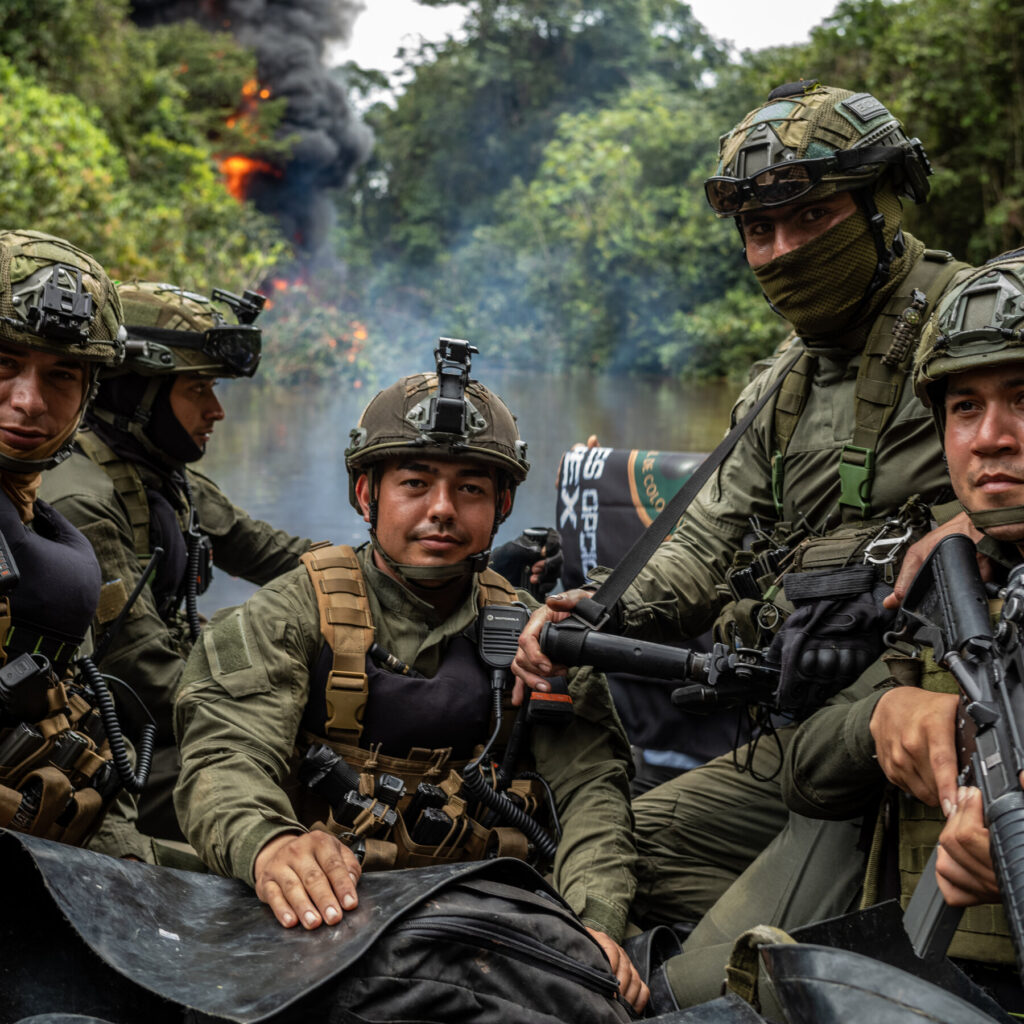
Colombia, a key player in the global fight against drug trafficking, is entering a renewed phase of security cooperation with the United States. With the inauguration of a new president endorsed by former U.S. President Donald Trump, plans to strengthen military collaboration to combat drug trafficking are rapidly advancing. This partnership highlights the persistent challenges posed by drug cartels and organized crime in the region and the complexities involved in addressing them. This article examines the background, objectives, and potential implications of this accelerated military alliance.
Colombia has long been central in the global war on drugs, remaining one of the largest cocaine producers worldwide. Powerful drug cartels and armed groups finance their operations through narcotics trafficking, fueling violence and instability across the country.
Efforts to combat these networks have included peace agreements with some armed factions and sustained international assistance. Despite these measures, drug production and trafficking remain deeply entrenched challenges, complicated by the involvement of multiple actors and the lucrative nature of the drug trade.
The United States has historically played a critical role in supporting Colombia’s anti-drug initiatives through military aid, training, and intelligence sharing. Programs like Plan Colombia, launched in the early 2000s, combined military and social efforts to dismantle drug networks and promote stability. While these programs weakened certain cartels and reduced coca cultivation at times, their overall effectiveness remains debated due to ongoing violence, displacement, and social disruption.
The election of Colombia’s new president, publicly endorsed by former U.S. President Donald Trump, marks a shift toward a more assertive stance on drug trafficking. The administration has made security and anti-drug measures key components of its policy agenda, emphasizing a hardline approach.
In response, the U.S. government has expedited plans to deepen military cooperation with Colombia, reflecting strategic urgency to curb drug traffickers' influence. This acceleration builds on decades of bilateral collaboration but signals renewed prioritization under current political dynamics.
The partnership is expected to enhance intelligence sharing, joint military operations, and increase military aid. By combining Colombia’s military capabilities with U.S. resources and expertise, the goal is to disrupt trafficking routes, dismantle criminal organizations, and reduce narcotics flow to the United States and other markets. This cooperation also aims to improve Colombia’s capacity to respond swiftly to emerging threats posed by drug networks.
Central to this enhanced military partnership is the objective to significantly weaken drug trafficking organizations by targeting their infrastructure and leadership. This includes coordinated efforts to intercept shipments, destroy production facilities, and apprehend key cartel figures.
Beyond interdiction, the partnership aims to address broader security challenges linked to drug trafficking, such as violence, corruption, and the influence of illegal armed groups operating alongside drug networks. Strengthening Colombia’s military and law enforcement capabilities is essential to restoring order and promoting long-term stability in affected regions.
U.S. involvement is designed to complement Colombia’s domestic policies, ensuring a comprehensive approach that balances military action with social and economic initiatives. These initiatives seek to reduce incentives for drug cultivation by improving rural development, creating alternative livelihoods, and enhancing governance in marginalized areas.
Together, these efforts form a multifaceted strategy acknowledging drug trafficking as both a criminal and socio-economic challenge requiring integrated solutions.
Despite promising prospects, the accelerated military partnership faces significant obstacles. Critics warn that relying heavily on military solutions may not address root causes such as poverty, lack of economic opportunities, and weak governance in rural and conflict-affected areas.
Concerns also exist about the humanitarian impact of intensified military operations on civilians, including risks of human rights violations, forced displacement, and collateral damage. These issues could undermine public support and exacerbate social tensions, making accountability and adherence to international human rights norms critical.
The political endorsement from a former U.S. president known for divisive policies may complicate diplomatic relations and public perception within Colombia and internationally. This dynamic could affect the partnership’s reception among Colombian civil society and neighboring countries, requiring careful diplomatic management.
Moreover, the complex nature of drug trafficking networks means military action alone may be insufficient. Sustainable success depends on integrating security efforts with broader social, economic, and governance reforms.
The accelerated U.S.-Colombia military partnership could have far-reaching effects on regional security. A more robust and coordinated approach to drug interdiction may disrupt trafficking networks across Colombia and neighboring countries, potentially reducing narcotics flow throughout the Americas.
This collaboration may also influence broader U.S. drug policy by emphasizing military and law enforcement solutions over alternatives like decriminalization or harm reduction, continuing traditional interdiction and eradication strategies.
For Colombia, the partnership offers a chance to strengthen institutions and improve public safety in regions long affected by drug-related violence. However, it requires careful management to avoid exacerbating social tensions or undermining fragile peace efforts with other armed groups.
The partnership’s success will likely depend on balancing aggressive security measures with inclusive policies addressing the socio-economic roots of drug trafficking, fostering sustainable peace and development.
The accelerated military partnership between the United States and Colombia marks a pivotal moment in the fight against drug trafficking in the Americas. While intensified cooperation promises enhanced capabilities to dismantle criminal organizations, success will depend on balancing security measures with social and economic strategies. Addressing drug trafficking’s complex challenges requires military strength combined with sustained commitment to human rights, development, and governance reforms. As this partnership unfolds, its impact will be closely observed by policymakers, security experts, and affected communities, shaping the future of regional security and drug policy.
Originally reported by nytimes.com. Adapted for our readers with AI assistance.
Keep reading
News
Recall that Poland’s Minister Sikorski’s core claim is partially supported by the numbers, but the framing “quite quickly” and “without the U.S.” does not…
News
By Engr. Tamunofiniarisa BrownReading Time: 6 Minutes The conflict between Russia and Ukraine is often framed in the media as a simple battle between…
World News
Following a tragic crash on the A66 near Middlesbrough that killed two police officers and five young men, Cleveland Police have arrested three more…
TAMFIS NIG LTD
Electrical and instrumentation engineering, bid preparation and consulting, IT and software.