
News
RUSSIA versus NATO and BRICS vs. NATO Military SWOT
Recall that Poland’s Minister Sikorski’s core claim is partially supported by the numbers, but the framing “quite quickly” and “without the U.S.” does not…
TAMFIS NIG LTDRC 8067447CAC ACTIVEFinima, Bonny Island, Rivers State

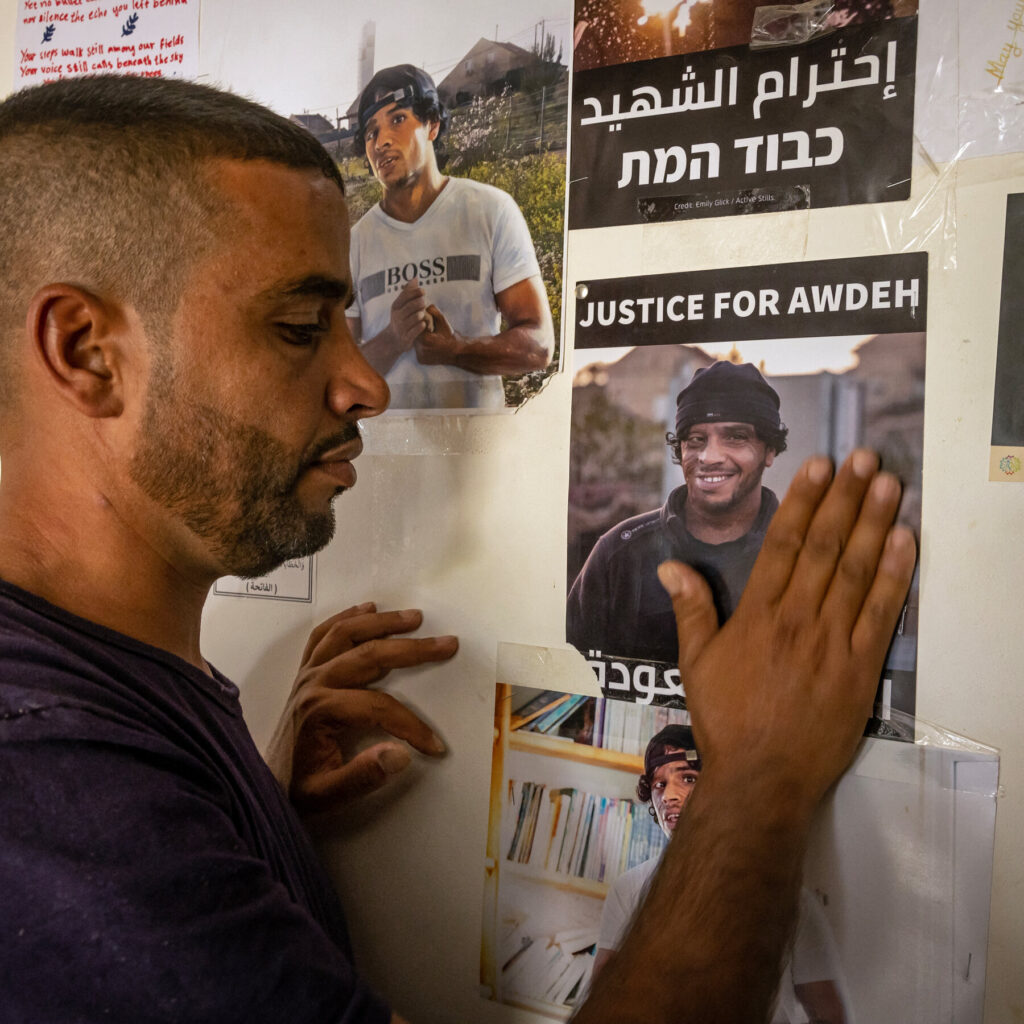
The Israeli-Palestinian conflict has long been marked by cycles of violence and a complex legal environment that often limits accountability, especially in incidents involving Israeli settlers and Palestinians. Recently, Israeli authorities took the unusual step of indicting an Israeli settler for the death of Awdah Hathaleen, a Palestinian activist. This indictment is a rare example of legal action against an Israeli citizen accused of causing harm to a Palestinian, highlighting ongoing tensions and the formidable challenges of pursuing justice in this deeply divided region.
Awdah Hathaleen was a Palestinian activist known for his involvement in local advocacy and resistance efforts aimed at addressing the conditions faced by Palestinians living under occupation. His activism focused on highlighting human rights issues and the impact of Israeli policies on Palestinian communities.
Hathaleen's death occurred during an incident involving an Israeli settler residing in the occupied territories. The circumstances of the event attracted significant attention both locally and internationally, partly because legal proceedings against Israeli settlers in such cases are exceedingly rare.
Following investigations, Israeli authorities formally charged the settler with manslaughter. This development is notable given the historical reluctance to prosecute settlers for violent acts against Palestinians, reflecting broader political sensitivities and legal challenges in the region.
The decision to indict an Israeli settler in connection with the death of a Palestinian is an uncommon occurrence within the Israeli-Palestinian conflict. Historically, prosecutions of settlers for violence targeting Palestinians have been infrequent, contributing to perceptions of impunity and frustration among Palestinians and international observers alike.
This case may signal a subtle shift in how Israeli authorities approach incidents involving settlers and Palestinians. While it does not represent a comprehensive change in policy, the indictment raises important questions about legal accountability and the potential for justice within a highly polarized and contentious environment.
Such indictments are rare enough to be considered exceptional, underscoring the challenges faced by Israeli legal institutions in balancing political pressures, security concerns, and human rights obligations.
The Israeli-Palestinian conflict is governed by a complex and often contradictory legal framework. Israeli settlers living in occupied territories are subject to Israeli civil law, whereas Palestinians in the same areas frequently fall under Israeli military law. This dual legal system creates significant disparities in legal protections, enforcement, and judicial outcomes.
These legal disparities have contributed to a widespread perception that settlers involved in violent acts against Palestinians often evade accountability. Palestinians living under military law face different legal standards and fewer protections, which exacerbates feelings of injustice and fuels tensions.
The indictment of the settler in this case challenges this dynamic, though it remains uncertain whether it will influence broader legal practices or lead to more consistent enforcement of laws protecting Palestinians. The case highlights the difficulties of applying a uniform standard of justice within such a divided legal environment.
The indictment has elicited a range of reactions from different communities and observers. Palestinian groups view it as a rare acknowledgment of wrongdoing and a potential step toward holding Israeli settlers accountable for violence. For them, it represents a small but meaningful recognition of Palestinian rights within a system often seen as biased.
Conversely, some Israeli settler communities may perceive the charges as controversial or politically motivated, reflecting the deep divisions and mistrust that characterize the conflict. This divergence in perspectives underscores the challenges faced by legal institutions attempting to navigate a highly charged political landscape.
International observers and human rights organizations have long called for greater accountability and transparency in cases of violence within the conflict. This indictment may contribute to ongoing discussions about justice, human rights, and the rule of law in the region, though its ultimate impact remains to be seen.
The case also raises broader questions about how justice is pursued in conflict zones where political, social, and legal factors intertwine, and whether legal mechanisms can effectively address grievances rooted in long-standing disputes.
While the indictment is a significant legal development, it does not resolve the broader, deeply entrenched issues underlying the Israeli-Palestinian conflict. Individual legal actions often receive attention but are overshadowed by the larger political, social, and security tensions that persist in the region.
Achieving lasting peace and justice will require systemic changes, including addressing legal inequalities, ensuring protection for all civilians regardless of nationality, and fostering meaningful dialogue between Israeli and Palestinian communities.
This case highlights the potential for legal accountability but also underscores the complexity and difficulty of advancing justice amid ongoing conflict. It serves as a reminder that while legal proceedings are important, they must be part of a broader strategy to address the root causes of violence and mistrust.
Sustained efforts toward reforming legal frameworks, increasing transparency, and promoting human rights are essential for building trust and paving the way for reconciliation in this deeply divided region.
The indictment of an Israeli settler in the death of Palestinian activist Awdah Hathaleen represents an uncommon moment of legal accountability in a conflict often marked by impunity. While this case may offer a glimmer of hope for justice, it also highlights the entrenched legal and political complexities that continue to impede resolution. Moving forward, meaningful progress will require sustained efforts to bridge divides, reform legal systems, and uphold human rights for all parties involved. This case serves as a reminder of both the challenges and possibilities inherent in the pursuit of justice amid conflict.
Originally reported by nytimes.com. Adapted for our readers with AI assistance.
Keep reading
News
Recall that Poland’s Minister Sikorski’s core claim is partially supported by the numbers, but the framing “quite quickly” and “without the U.S.” does not…
News
By Engr. Tamunofiniarisa BrownReading Time: 6 Minutes The conflict between Russia and Ukraine is often framed in the media as a simple battle between…
World News
Following a tragic crash on the A66 near Middlesbrough that killed two police officers and five young men, Cleveland Police have arrested three more…
TAMFIS NIG LTD
Electrical and instrumentation engineering, bid preparation and consulting, IT and software.