
Politics
How Minnesota Figures Into the Presidential Politics of Insulin Prices
Politics tamfitronics Minnesota Gov. Tim Walz attends a rally in Asheville, North Carolina, on Sept. 17. Minnesota led the way on in...
TAMFIS NIG LTDRC 8067447CAC ACTIVEFinima, Bonny Island, Rivers State

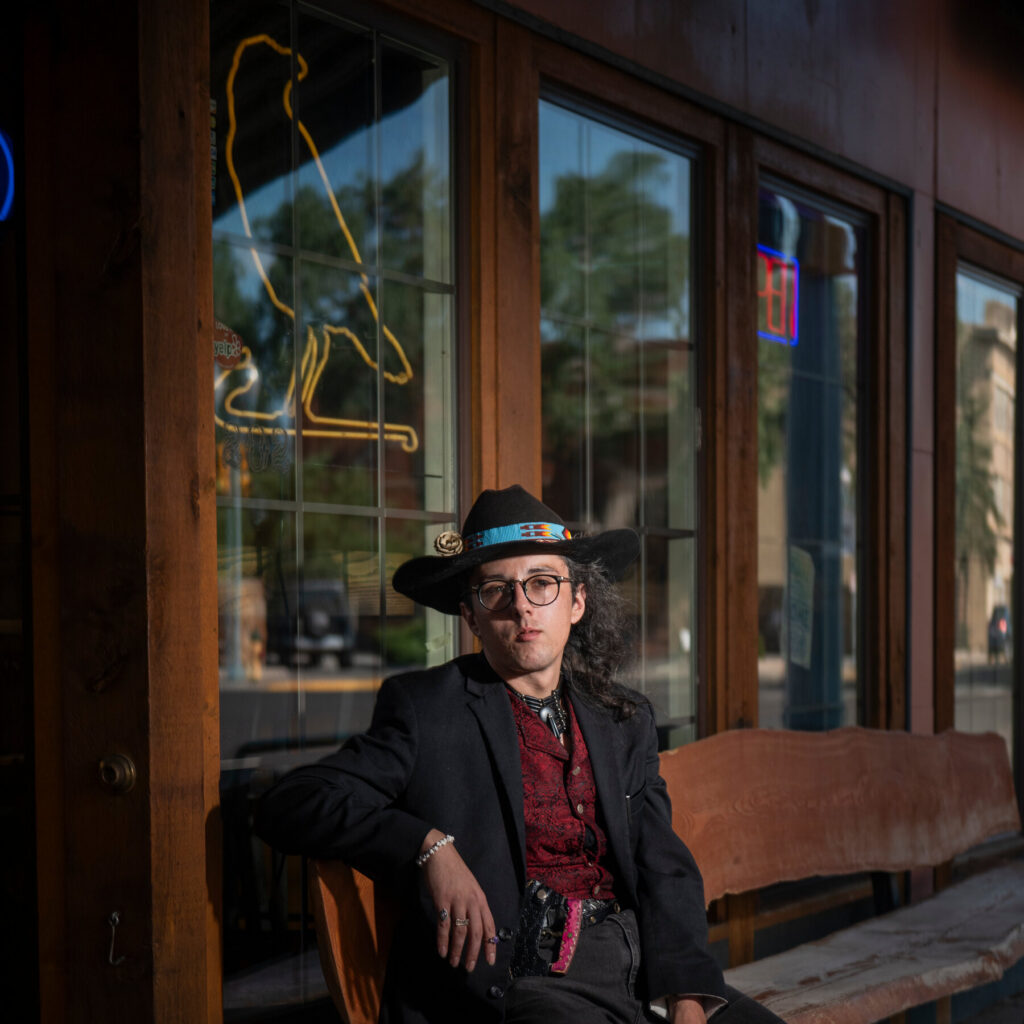
Wyoming, often celebrated for its staunch defense of gun ownership and self-defense rights, has become the focal point of a contentious legal battle involving a transgender woman. Despite the state's 'stand your ground' statute, which permits individuals to use force to protect themselves without a duty to retreat, a trans woman who brandished a firearm after being physically shoved is now facing prosecution. This case raises critical questions about the application of gun laws, the role of gender identity in legal outcomes, and the broader societal challenges that arise when issues of self-defense intersect with social bias.
Wyoming’s legal framework strongly supports the right to self-defense, embodied in its 'stand your ground' statute. This law allows individuals to use reasonable force, including deadly force, to defend themselves if they believe they are in imminent danger. Crucially, the statute removes the obligation to retreat before using such force, underscoring the state’s commitment to personal protection rights.
The statute is designed to empower residents to protect themselves without fear of legal repercussions, provided their actions meet the criteria of reasonable self-defense. Historically, this law has been applied broadly, often favoring defendants who claim they acted to preserve their safety in threatening situations. This legal environment reflects Wyoming’s cultural emphasis on individual liberty and personal responsibility, especially regarding firearm ownership.
The case centers on a transgender woman who was physically shoved to the ground during a confrontation. In response, she brandished a firearm, an action that under Wyoming’s self-defense laws might typically be protected if the use of force was deemed reasonable and necessary given the circumstances.
However, unlike many other cases where individuals have successfully invoked 'stand your ground' protections, this woman is facing prosecution. The decision to prosecute suggests complexities beyond the immediate facts of self-defense, potentially involving interpretations of threat level, proportionality of response, and other contextual factors.
This incident highlights the real-world challenges in applying self-defense laws uniformly. While the law provides broad protections, the subjective nature of perceived threat and societal attitudes can influence legal outcomes, especially in cases involving marginalized individuals.
One of the most striking aspects of this case is the apparent discrepancy in how the law is applied to a transgender individual. Despite Wyoming’s reputation as a gun-friendly state, the woman’s gender identity appears to have complicated her legal standing.
This raises concerns about potential bias and unequal treatment under the law. Advocates argue that the prosecution may reflect underlying societal prejudices against transgender people, which can affect how their actions are perceived and judged in court.
The intersection of gender identity and legal protections is a developing area in American jurisprudence. Transgender individuals often face systemic challenges, including discrimination and misunderstanding, which can influence legal processes and outcomes. Cases like this highlight the urgent need for legal systems to address these disparities explicitly.
Moreover, the case illustrates how gender identity can intersect with other social factors to create unique vulnerabilities. In a state like Wyoming, where traditional gender norms and conservative values may predominate, transgender defendants might face additional hurdles in securing fair treatment.
This case has exposed tensions within the gun rights community. Wyoming’s gun advocates typically champion broad protections for firearm use in self-defense, yet the prosecution of a trans woman in this context suggests that support for gun rights may not be uniformly applied across all demographics.
This situation reveals a potential gap between ideological support for gun ownership and the realities of social biases that influence legal processes. It prompts questions about whether gun rights advocacy groups adequately address issues of inclusivity and equal protection under the law.
Furthermore, it challenges the assumption that 'stand your ground' laws offer absolute protection for all gun owners. Legal outcomes can be influenced by factors beyond the letter of the law, including societal attitudes and implicit biases, which may disproportionately affect marginalized groups such as transgender individuals.
The case calls for a broader conversation within gun rights circles about ensuring that advocacy efforts encompass protections for all individuals, regardless of gender identity or other social factors.
Beyond the immediate legal questions, this case underscores broader societal issues concerning the rights of transgender individuals. It highlights the vulnerability of transgender people, even in states with permissive gun laws, when asserting their right to self-defense.
The prosecution may have a chilling effect on transgender individuals who might otherwise feel empowered to protect themselves with firearms. Fear of legal repercussions or biased treatment could deter them from exercising their rights, thereby exacerbating their vulnerability to violence.
This case also calls attention to the need for clearer legal standards and protections that explicitly address the intersection of gender identity and self-defense rights. As public awareness of transgender rights grows, legal systems must adapt to ensure equitable treatment and protection for all individuals, regardless of gender identity.
Ultimately, the case serves as a reminder that laws alone are insufficient without consistent and unbiased application. It highlights the importance of ongoing education, legal reform, and advocacy to bridge gaps in protection and ensure justice for marginalized communities.
The prosecution of a transgender woman in Wyoming for brandishing a firearm in self-defense challenges assumptions about the universality of gun rights protections. While the state’s 'stand your ground' law is designed to empower individuals to defend themselves, this case illustrates how social biases and gender identity can complicate legal outcomes. It underscores the importance of ongoing dialogue, legal reform, and advocacy to ensure that self-defense laws are applied equitably, safeguarding the rights of all citizens regardless of gender identity. As society continues to grapple with issues of identity and justice, this case serves as a critical reminder of the complexities at the intersection of gun rights and transgender rights, and the need for inclusive protections that leave no one behind.
Originally reported by nytimes.com. Adapted for our readers with AI assistance.
Keep reading
Politics
Politics tamfitronics Minnesota Gov. Tim Walz attends a rally in Asheville, North Carolina, on Sept. 17. Minnesota led the way on in...
Politics
Deji Adeyanju; Niger State Mining Victims Human rights lawyer and activist, Deji Adeyanju, has accepted his appointment as a member of the Federal Government’s…
Politics
Democracy, Featured, Global, Global Governance, Headlines, International Justice, IPS UN: Inside the Glasshouse, TerraViva United Nations UNITED NATIONS, Sep 11 2026 (IPS) – When…
TAMFIS NIG LTD
Electrical and instrumentation engineering, bid preparation and consulting, IT and software.