
News
RUSSIA versus NATO and BRICS vs. NATO Military SWOT
Recall that Poland’s Minister Sikorski’s core claim is partially supported by the numbers, but the framing “quite quickly” and “without the U.S.” does not…
TAMFIS NIG LTDRC 8067447CAC ACTIVEFinima, Bonny Island, Rivers State

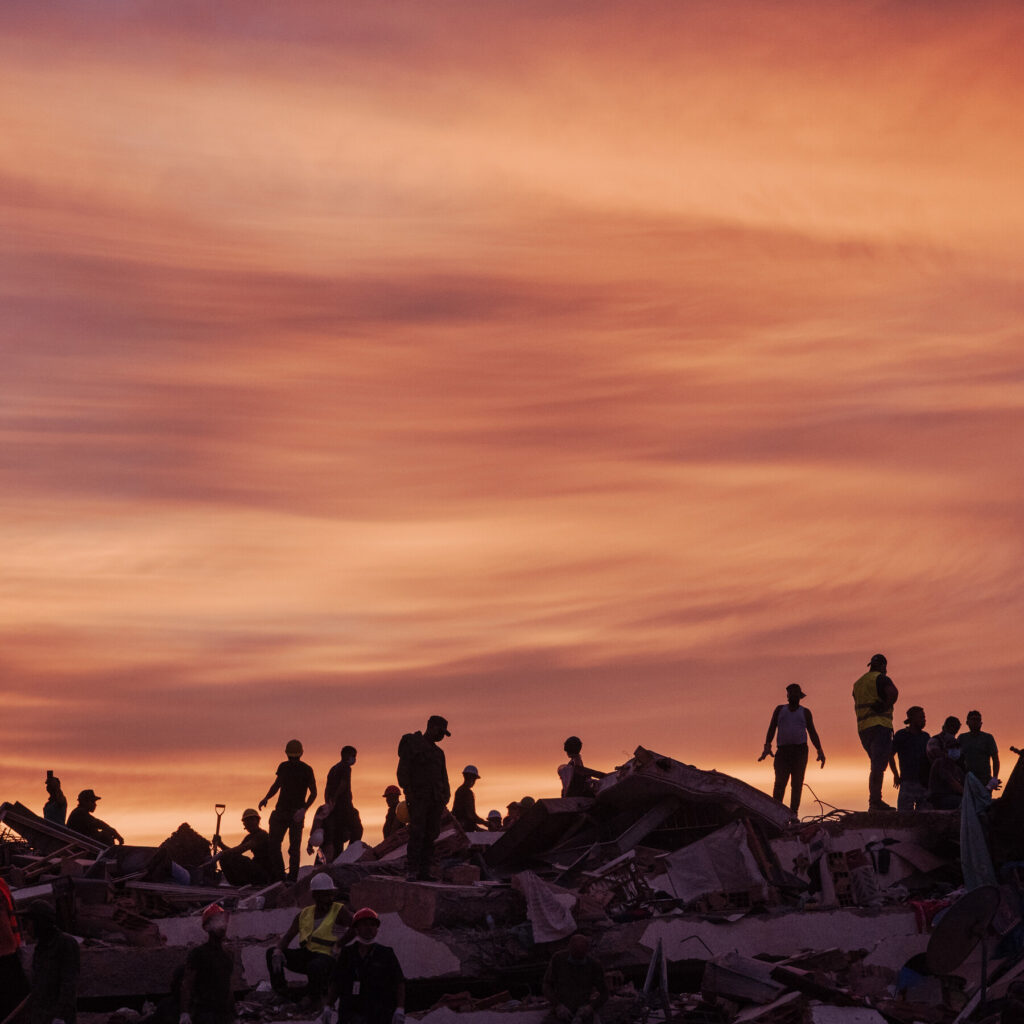
In the wake of two powerful earthquakes that struck Venezuela, the government’s response has come under intense scrutiny. While the nation sought international assistance to manage the crisis, the underlying issues that hampered rescue and relief efforts have become increasingly apparent. Years of economic decline, shrinking budgets, and political repression have eroded the country’s capacity to effectively respond to natural disasters, leaving many victims trapped and vulnerable. This article explores the factors that contributed to the government’s shortcomings and the broader implications for Venezuela’s disaster preparedness and governance.
Venezuela experienced two significant earthquakes in quick succession, shaking multiple regions and causing widespread destruction. Buildings collapsed, infrastructure was severely damaged, and many residents found themselves trapped beneath rubble. The scale and intensity of the disaster demanded a swift and coordinated response to rescue survivors and provide emergency aid to affected communities.
However, the severity of the earthquakes quickly overwhelmed local resources. Emergency services struggled to mobilize rapidly, hampered by a shortage of essential equipment and a lack of adequately trained personnel. The urgency of the situation forced the government to reach out to the international community for assistance, underscoring its limited capacity to handle such crises independently. This reliance on external aid highlighted the fragility of Venezuela’s disaster response framework and the critical gaps in its preparedness.
The challenges faced during the earthquake response are rooted in years of systemic issues within Venezuela’s governance and public sector. Shrinking budgets have significantly reduced funding for emergency services, including the maintenance of rescue equipment and the implementation of training programs for first responders. Over time, this financial neglect has left emergency agencies ill-equipped to manage large-scale disasters.
Political repression has also played a critical role in weakening institutional capacities. The government’s focus on consolidating power has led to the sidelining of independent agencies and experts who traditionally contribute to disaster preparedness and response planning. This environment has stifled innovation, limited the development of robust emergency protocols, and discouraged transparency and accountability.
Consequently, Venezuela’s disaster management infrastructure has deteriorated substantially, leaving the country ill-prepared for emergencies of this magnitude. The lack of investment and political will to strengthen these systems became painfully evident as rescue operations faltered and critical delays in aid delivery occurred. These systemic weaknesses not only hampered immediate relief efforts but also eroded public confidence in the government’s ability to protect its citizens during crises.
Recognizing the insufficiency of domestic resources, Venezuela’s government appealed for international aid. Various countries and humanitarian organizations responded promptly, providing technical support, specialized rescue teams, and essential supplies to assist in relief efforts.
While this assistance was crucial in supplementing local efforts and saving lives, it also highlighted the dependency created by years of neglect. Reliance on external aid can be a double-edged sword; it offers immediate relief but does not address the fundamental need for building resilient national emergency systems capable of autonomous response.
Moreover, political tensions and mistrust between Venezuela and some international actors complicated coordination efforts. Diplomatic challenges sometimes delayed the deployment of aid and limited the effectiveness of joint operations, further exposing the vulnerabilities in Venezuela’s disaster management approach. These difficulties underscored the importance of fostering cooperative relationships and transparent communication channels to optimize future disaster responses.
The earthquake response has exposed vulnerabilities that extend far beyond the immediate crisis. Venezuela’s experience underscores the critical importance of sustained investment in disaster preparedness, including infrastructure reinforcement, early warning systems, and community education programs that empower citizens to respond effectively during emergencies.
It also reveals how political dynamics can undermine public safety. When governance prioritizes control over competence, essential services suffer, and citizens bear the consequences during emergencies. The politicization of disaster management has weakened institutional capacity and eroded public trust, making it more difficult to implement effective emergency protocols and mobilize resources rapidly.
Looking forward, there is a pressing need for reforms that depoliticize disaster management and foster collaboration among government agencies, civil society, and international partners. Strengthening institutional capacity, improving transparency, and adopting inclusive governance models will be key to enhancing Venezuela’s resilience against future natural disasters. Such reforms would not only improve emergency response but also help rebuild public confidence and promote social cohesion in times of crisis.
Venezuela’s struggles offer valuable lessons for other countries with limited resources and complex political environments. Effective disaster response requires not only financial investment but also inclusive governance structures that respect technical expertise and promote accountability.
Building robust emergency systems is a long-term endeavor demanding sustained political commitment and community engagement. Neglecting these aspects can leave populations vulnerable and exacerbate the human toll of natural disasters, as seen in Venezuela’s recent experience.
International cooperation remains important, but it should complement, not replace, strong domestic capabilities. Countries must strive to develop self-sufficient and adaptable disaster management frameworks that can protect their citizens independently while facilitating efficient collaboration with global partners when necessary. This balanced approach enhances resilience and ensures timely, effective responses when disasters strike.
The twin earthquakes that struck Venezuela have laid bare the significant challenges facing the country’s disaster response capabilities. While immediate international assistance was vital in mitigating the crisis, it also underscored the consequences of prolonged neglect and political interference in emergency management. Moving forward, Venezuela must prioritize rebuilding and strengthening its disaster preparedness infrastructure through sustained investment, inclusive governance, and depoliticized management. Only by addressing these systemic issues can the country hope to protect its citizens more effectively from future natural disasters. This situation serves as a cautionary tale for other nations about the critical importance of maintaining robust, transparent, and apolitical emergency response systems.
Originally reported by nytimes.com. Adapted for our readers with AI assistance.
Keep reading
News
Recall that Poland’s Minister Sikorski’s core claim is partially supported by the numbers, but the framing “quite quickly” and “without the U.S.” does not…
News
By Engr. Tamunofiniarisa BrownReading Time: 6 Minutes The conflict between Russia and Ukraine is often framed in the media as a simple battle between…
World News
Following a tragic crash on the A66 near Middlesbrough that killed two police officers and five young men, Cleveland Police have arrested three more…
TAMFIS NIG LTD
Electrical and instrumentation engineering, bid preparation and consulting, IT and software.