
Politics
Science vs politics: Kiwi’s long road to EU health-claim approval
In August 2025, Zespri, the world’s largest marketer of kiwifruit, announced that the European Commission had approved what it described as the first health…
TAMFIS NIG LTDRC 8067447CAC ACTIVEFinima, Bonny Island, Rivers State

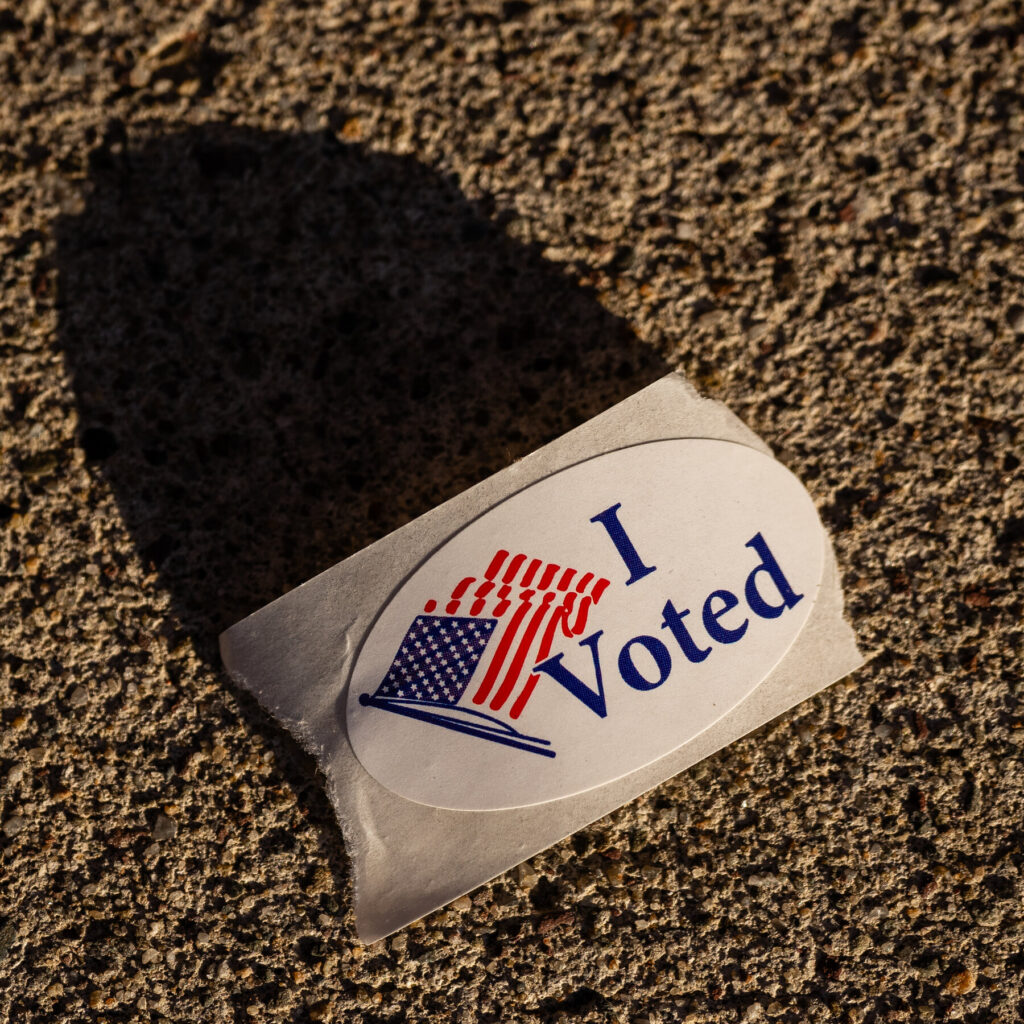
In the lead-up to the upcoming midterm elections, a notable and concerning trend has emerged in the United States: the increasing presence of election deniers in critical local election positions. These individuals, who openly question or reject the legitimacy of past election outcomes without substantive evidence, are gaining footholds in roles that oversee the administration and certification of elections. This development poses significant challenges to the integrity of electoral processes, voter trust, and democratic stability. Understanding the factors driving this rise, its potential impacts, and the responses it has elicited is essential for voters, policymakers, and stakeholders invested in safeguarding American democracy.
Election deniers are individuals who dispute the validity of election results, often claiming widespread fraud or manipulation despite a lack of credible evidence. This movement gained momentum following the 2020 presidential election, where numerous unfounded allegations questioned the legitimacy of the vote count. The rhetoric propagated by some political leaders and media outlets has fueled skepticism and mistrust among segments of the electorate.
The election denier movement is not monolithic; it encompasses a range of actors from grassroots activists to political candidates who leverage these claims to galvanize support. Their narratives often emphasize alleged irregularities, casting doubt on established electoral systems and processes. This skepticism has translated into political ambitions, with many seeking roles that influence election administration at the local level.
Understanding the motivations behind election denial is crucial. For some, it is rooted in genuine concerns about election security, while for others, it serves as a strategic tool to mobilize a political base. Regardless of intent, the consequences of this movement intersect significantly with the functioning of democratic institutions and public confidence in elections.
Local election officials play a vital role in managing voter registration, ballot counting, and certification of results. In recent election cycles, a rising number of election deniers have been elected or appointed to these key positions, such as county election boards, secretaries of state, and election commissioners. Their influence extends to shaping policies and procedures that govern elections within their jurisdictions.
This surge is partly attributed to targeted campaigns by election deniers, capitalizing on polarized political environments and voter dissatisfaction. By positioning themselves as champions of election integrity, they appeal to voters who harbor doubts about electoral processes. Their presence in local election roles can lead to significant changes in how elections are conducted and audited.
The growing presence of election deniers in these positions is not evenly distributed across the country but tends to concentrate in battleground states and regions with contentious electoral histories. This geographic clustering amplifies concerns about uniformity and fairness in election administration nationwide.
The involvement of election deniers in local election administration poses complex challenges for election integrity. Their skepticism towards established procedures may lead to the implementation of policies that prioritize suspicion over transparency, potentially undermining standardized safeguards designed to prevent fraud and errors.
Voter confidence is a cornerstone of democratic participation. When election officials publicly question the legitimacy of elections, it can erode trust among the electorate, leading to decreased voter turnout and increased polarization. The perception that elections are rigged or manipulated damages the social contract between citizens and their government.
Moreover, the entrenchment of election deniers in local roles can complicate the certification of election results. Disputes and legal challenges may become more frequent, creating delays and confusion that further destabilize electoral processes. This environment fosters uncertainty and may invite external interference or misinformation campaigns.
In response to the rise of election deniers in local election roles, political leaders, advocacy groups, and legal experts have mobilized to protect election integrity. Some states have introduced legislation aimed at strengthening election security and clarifying the responsibilities of election officials to adhere to evidence-based practices.
Legal challenges have also emerged, contesting the eligibility or actions of election deniers in official capacities. Courts are increasingly called upon to adjudicate disputes related to election administration, balancing concerns about democratic participation with the need to uphold procedural fairness.
Additionally, bipartisan efforts to educate voters and promote transparency around election processes seek to counteract misinformation. These initiatives emphasize the importance of accurate information and community engagement to rebuild trust in electoral systems.
Media outlets and social media platforms play a critical role in amplifying or challenging the narratives promoted by election deniers. Certain partisan media sources have provided platforms for election denial claims, which can reinforce skepticism among their audiences. Conversely, fact-checking organizations and independent journalists strive to provide accurate information and debunk falsehoods.
Social media algorithms often prioritize sensational content, which can inadvertently spread election denial rhetoric more widely. This dynamic complicates efforts to maintain an informed electorate and contributes to the polarization surrounding election issues.
Efforts to regulate misinformation on digital platforms continue to evolve, with debates centering on free speech, censorship, and the responsibility of companies to prevent the spread of harmful falsehoods. The media landscape thus remains a battleground influencing public perception of election legitimacy.
The increasing involvement of election deniers in local election roles could have lasting effects on future elections. Changes in election administration policies may alter voting access, ballot verification processes, and recount procedures, potentially affecting election outcomes and public acceptance of results.
Democratic stability depends on the peaceful transfer of power and widespread acceptance of election outcomes. Persistent challenges from election deniers risk normalizing distrust and contestation, which can lead to political unrest and weaken institutional legitimacy.
Long-term, this trend may influence candidate selection, party strategies, and voter engagement, reshaping the political landscape. Addressing these challenges requires coordinated efforts across government, civil society, and the media to reinforce democratic norms and uphold election integrity.
Strengthening election administration amidst the rise of election deniers involves enhancing transparency and accountability. Implementing clear, evidence-based policies and procedures can help reassure voters and reduce opportunities for manipulation or mismanagement.
Investing in nonpartisan training for election officials and promoting collaboration across political lines are essential to maintaining professionalism and impartiality. Civic education campaigns that inform voters about election processes contribute to resilience against misinformation.
Furthermore, technology improvements, such as secure voting systems and robust audit mechanisms, can bolster election security. Encouraging community oversight and engagement fosters trust and legitimacy, countering the divisive effects of election denial rhetoric.
The rising influence of election deniers in key local election roles ahead of the midterms presents a multifaceted challenge to American democracy. While their growing presence reflects deep political divisions and mistrust, it also underscores the urgent need for robust election administration, transparent policies, and informed civic engagement. Protecting the integrity of elections demands vigilance from all sectors of society to ensure that democratic processes remain fair, credible, and trusted by the electorate. As the nation approaches another pivotal election cycle, understanding and addressing this phenomenon is critical to safeguarding the foundational principles of democratic governance.
Originally reported by nytimes.com. Adapted for our readers with AI assistance.
Keep reading
Politics
In August 2025, Zespri, the world’s largest marketer of kiwifruit, announced that the European Commission had approved what it described as the first health…
News
By Engr. Tamunofiniarisa BrownReading Time: 6 Minutes The conflict between Russia and Ukraine is often framed in the media as a simple battle between…
Politics
Twenty-five years after the September 11 attacks, the family of Marine Travis Fuller reflects on his death in the Iraq War, grappling with the…
TAMFIS NIG LTD
Electrical and instrumentation engineering, bid preparation and consulting, IT and software.