News
Beyond the Rhetoric: A Neutral Analysis of the Russia-Ukraine Conflict
By Engr. Tamunofiniarisa BrownReading Time: 6 Minutes The conflict between Russia and Ukraine is often framed in the media as a simple battle between…
TAMFIS NIG LTDRC 8067447CAC ACTIVEFinima, Bonny Island, Rivers State

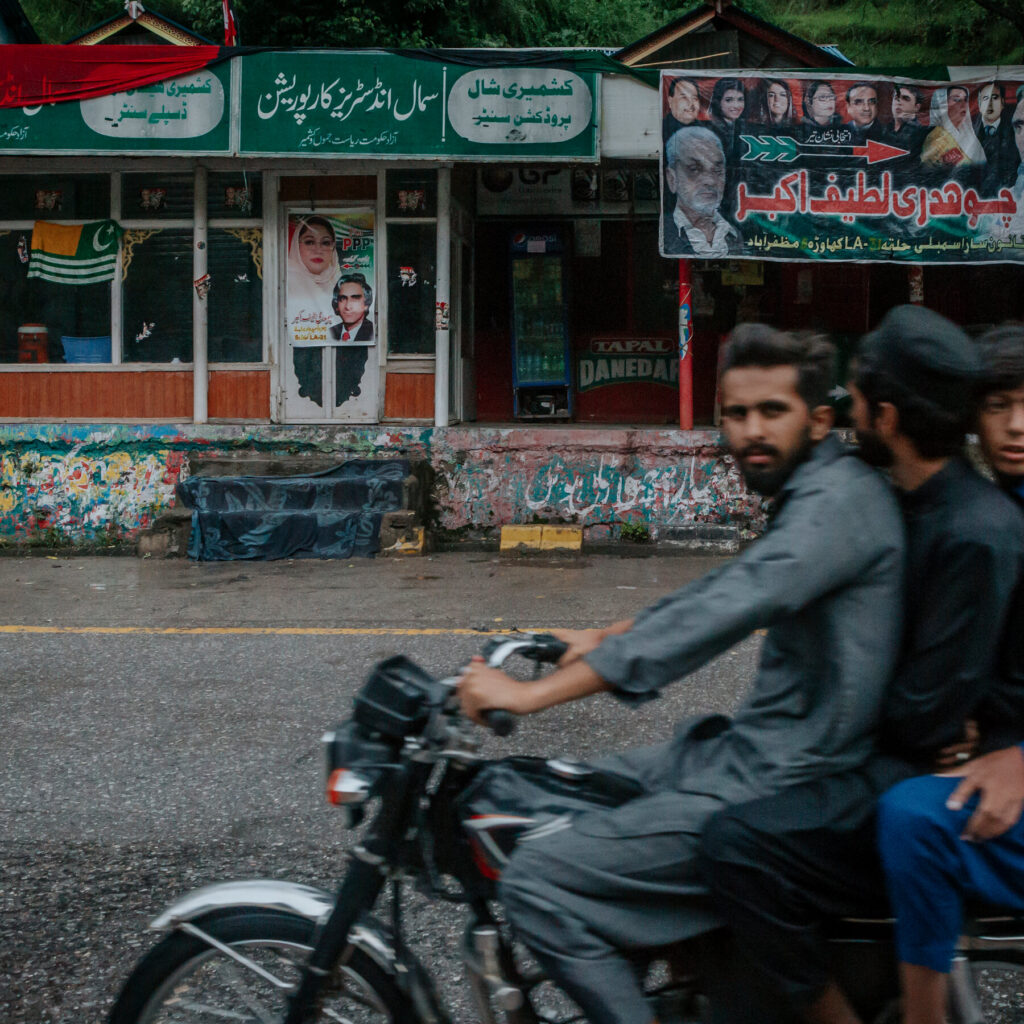
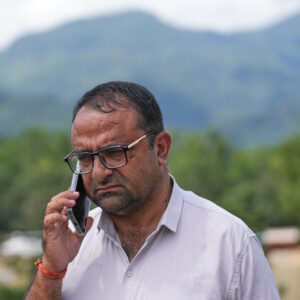
The Kashmir region has long been a flashpoint of geopolitical tension, and recent escalations have drawn global attention to the complex dynamics at play. Amid this unrest, Pakistan’s government has significantly intensified its crackdown on journalists, silencing dissenting voices and restricting media freedom. This article delves into the nature of this crackdown, its impact on journalists and civil society, and the broader consequences for press freedom and democratic values in Pakistan.
The Kashmir dispute between India and Pakistan has been a protracted conflict marked by frequent violence and political instability. In recent years, heightened military activity and civil unrest in Kashmir have intensified regional tensions, prompting strong reactions from both nations. Pakistan, which claims Kashmir as part of its territory, has witnessed significant domestic repercussions, particularly in its handling of media coverage related to the conflict.
Pakistan’s media landscape is vibrant yet highly regulated, with journalists often navigating a challenging environment marked by political pressures and security concerns. The government’s sensitivity towards Kashmir-related reporting has been evident, especially as media narratives influence public opinion and international perceptions of the conflict.
Amid the Kashmir unrest, Pakistan’s authorities have increasingly targeted journalists perceived as critical or unsupportive of official narratives. This crackdown not only undermines press freedom but also restricts the flow of accurate information, complicating efforts to understand the ground realities in Kashmir.
Pakistan’s crackdown on journalists employs a mix of legal and extralegal methods, ranging from restrictive laws to intimidation and harassment. Authorities have used broad anti-terrorism and cybercrime laws to arrest and detain journalists on charges related to national security, often without transparent legal processes.
In addition to legal action, journalists face threats, physical attacks, and surveillance. Media offices have been raided, equipment confiscated, and reporters intimidated to discourage critical reporting on Kashmir. These tactics foster a climate of fear, compelling many journalists to self-censor or avoid sensitive topics altogether.
The use of technology to monitor and suppress dissenting voices has also increased. Internet shutdowns and social media restrictions during periods of unrest limit journalists’ ability to report in real-time and communicate with audiences. This digital repression further isolates the media and stifles independent journalism.
The escalating crackdown has severely impacted journalists’ ability to operate freely in Pakistan. Many reporters covering Kashmir-related issues face harassment, arbitrary detention, and legal battles, which not only threaten their personal safety but also undermine their professional integrity.
Media organizations are increasingly pressured to conform to government narratives, leading to a homogenization of news coverage. This erosion of editorial independence diminishes the diversity of perspectives available to the public and weakens the media’s role as a watchdog.
The psychological toll on journalists is significant, with many experiencing stress, fear, and uncertainty. This toxic environment discourages investigative journalism and critical reporting, vital components of a healthy democratic society, especially in conflict situations like Kashmir.
The international community has expressed growing concern over Pakistan’s crackdown on journalists amid the Kashmir unrest. Human rights organizations and press freedom advocates have condemned the suppression of free expression and called for the protection of journalists.
Global watchdogs highlight that Pakistan’s actions contravene international human rights standards, including the right to freedom of speech and access to information. These violations exacerbate the country’s reputation and complicate its diplomatic relations.
International pressure has sometimes led to the release of detained journalists or the easing of restrictions, but sustained advocacy is required to ensure lasting reforms. The global community’s role remains crucial in holding Pakistan accountable for upholding press freedom and protecting journalists.
Social media has become a critical tool for journalists reporting on Kashmir, offering alternative channels to bypass traditional media restrictions. However, Pakistan’s government has increasingly targeted digital platforms through censorship, internet blackouts, and online harassment campaigns.
Digital repression limits the ability of journalists and activists to share real-time updates and counter misinformation. Social media users face account suspensions and content removals, further shrinking the space for open dialogue on Kashmir issues.
Despite these challenges, digital platforms also empower citizen journalism and grassroots reporting, which play a vital role in documenting events on the ground. The ongoing battle over digital freedom reflects broader struggles over information control in Pakistan.
Pakistan’s legal framework includes provisions that ostensibly protect freedom of the press but are often undermined by vague national security laws and broad interpretations that restrict journalistic activity. Laws such as the Prevention of Electronic Crimes Act (PECA) have been criticized for their potential misuse against journalists.
The lack of judicial independence and transparency in many cases involving journalists exacerbates the problem. Courts frequently uphold government actions restricting media, leaving journalists vulnerable to arbitrary detentions and prosecutions.
Advocates call for legal reforms to align Pakistan’s laws with international standards on press freedom and to ensure accountability for abuses against journalists. Strengthening legal protections is essential for fostering a free and independent media environment.
Civil society organizations and journalist unions in Pakistan have actively protested the crackdown, organizing campaigns, legal aid, and solidarity events to support affected media professionals. Their efforts aim to raise awareness and challenge government overreach.
Many journalists have adopted innovative strategies to continue reporting, including anonymous contributions, encrypted communications, and collaborations with international media outlets. These tactics help circumvent censorship and protect sources.
However, the risks remain high, and the resilience of Pakistan’s journalistic community is continually tested. Continued support from domestic and international allies is crucial to sustain independent reporting and advocate for press freedom.
The trajectory of Pakistan’s crackdown on journalists amid Kashmir unrest poses significant challenges for media freedom and democratic governance. Without meaningful reforms, the environment for independent journalism is likely to deteriorate further.
Nonetheless, growing awareness and advocacy offer opportunities for change. Increased international scrutiny and internal demands for transparency could pressure Pakistan to reconsider its approach and uphold fundamental rights.
Technology and civil society activism will continue to play pivotal roles in resisting censorship and promoting free expression. The future of press freedom in Pakistan depends on a complex interplay of political will, legal reforms, and sustained advocacy.
Pakistan’s escalating crackdown on journalists amid the Kashmir unrest represents a critical challenge to press freedom and democratic principles. By employing a combination of restrictive laws, intimidation, and digital censorship, the government has created a hostile environment that stifles independent journalism and silences dissenting voices. This suppression not only harms journalists but also deprives the public of accurate information essential for informed discourse. Addressing these issues requires concerted efforts from domestic actors, civil society, and the international community to safeguard media freedoms, promote transparency, and ensure that Pakistan upholds its commitments to human rights and democratic governance. The resilience of journalists and advocates remains vital as they navigate these turbulent times, striving to preserve the fundamental right to free expression in one of the region’s most contentious conflicts.
Originally reported by nytimes.com. Adapted for our readers with AI assistance.
Keep reading
News
By Engr. Tamunofiniarisa BrownReading Time: 6 Minutes The conflict between Russia and Ukraine is often framed in the media as a simple battle between…
World News
Following a tragic crash on the A66 near Middlesbrough that killed two police officers and five young men, Cleveland Police have arrested three more…
World News
When floodwaters surged toward a school in Nepal, Principal Rajendra Dawadi had mere minutes to act. His rapid response and evacuation plan ensured the…
TAMFIS NIG LTD
Electrical and instrumentation engineering, bid preparation and consulting, IT and software.