
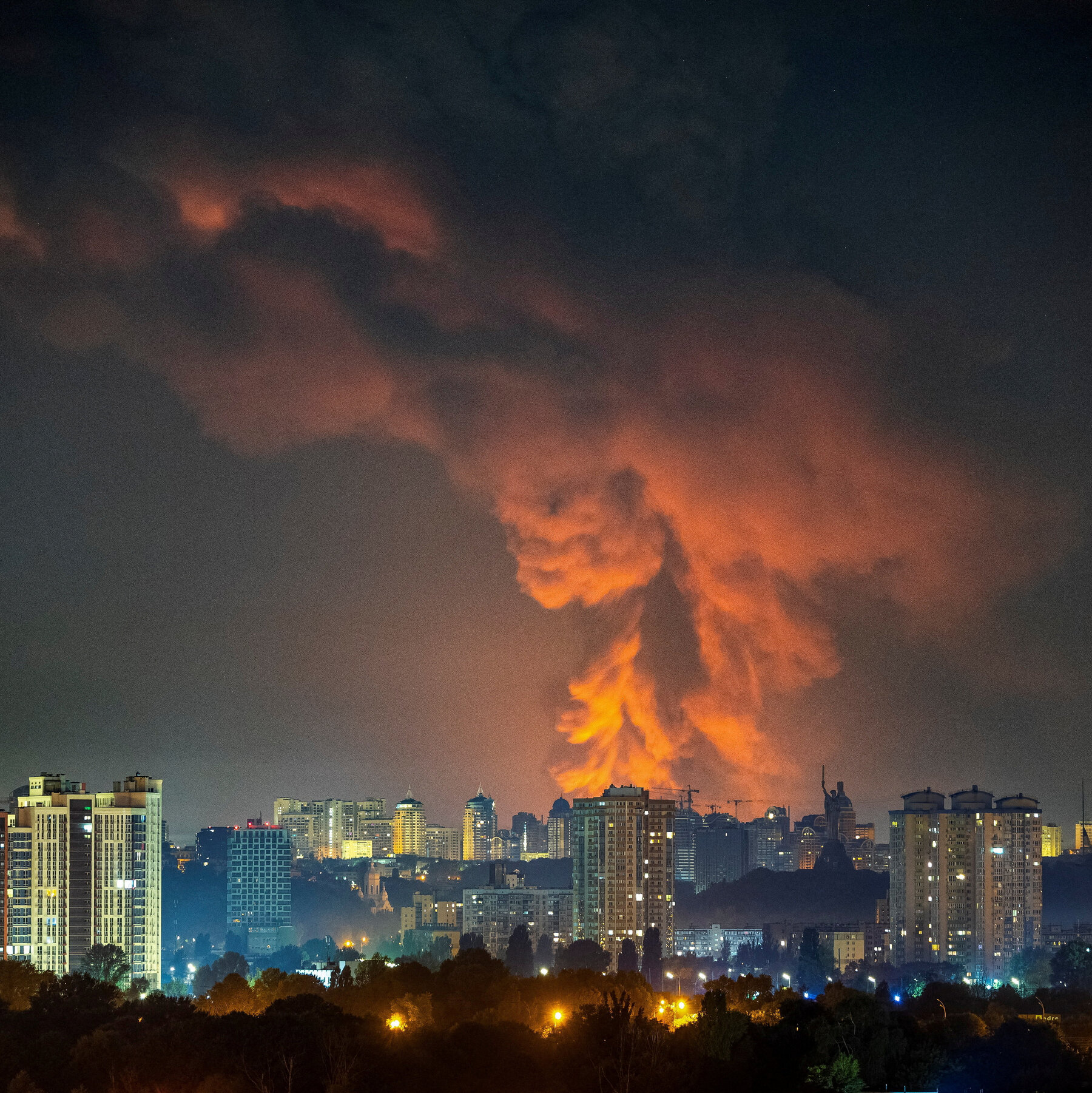
On August 5, 2026, Kyiv suffered a devastating missile attack that claimed at least 17 lives, according to Ukrainian officials. This assault has starkly revealed the severe depletion of Ukraine’s air defense capabilities, particularly its dwindling supply of interceptor missiles. As Russia continues its relentless bombardment campaign, Ukraine’s ability to protect its cities and civilians is increasingly compromised. This article examines the implications of the attack, the challenges facing Ukraine’s air defenses, and the broader strategic context of the conflict.
The Deadly Impact of the Missile Strike on Kyiv
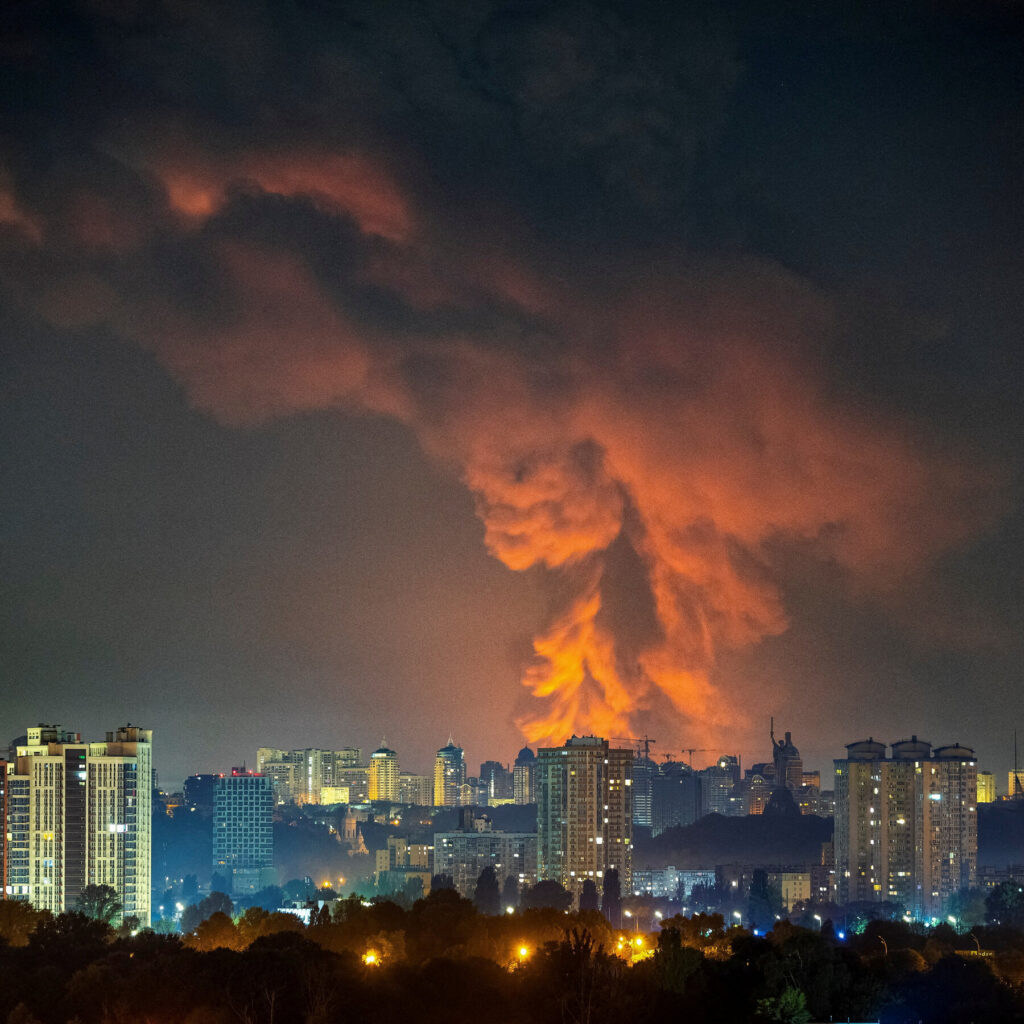
The missile attack on Kyiv resulted in a tragic loss of life and significant damage to infrastructure. Officials confirmed at least 17 fatalities, with many others wounded. The strike targeted both civilian areas and strategic locations, intensifying the humanitarian crisis in the capital city. This assault is part of a broader pattern of intensified Russian missile attacks aimed at undermining Ukrainian morale and disrupting daily life.
The human toll of these attacks is profound. Families have been devastated by loss, and essential services such as power and water have been disrupted, compounding the hardships faced by residents amid ongoing conflict. Beyond the physical damage, the psychological impact of repeated missile strikes fosters an environment of fear and uncertainty, deeply affecting the mental well-being of Kyiv’s population. The disruption of daily routines and constant threat of attack have created a pervasive sense of vulnerability among civilians.
Ukraine’s Air Defense Systems Under Strain
Ukraine’s air defense infrastructure has been a cornerstone of its resistance against Russian aggression. However, the recent missile barrage has exposed critical vulnerabilities. The country is running dangerously low on interceptor missiles, which are essential for neutralizing incoming threats before they can cause damage. This shortage severely limits Ukraine’s capacity to effectively defend its airspace, leaving major cities like Kyiv increasingly exposed to attacks.
Interceptor missiles are sophisticated and costly weapons designed to detect, track, and destroy incoming projectiles mid-flight. Ukraine’s stockpile has been depleted due to the sustained intensity of Russian attacks and the high expenditure of defensive resources throughout the conflict. This depletion has forced Ukrainian forces to prioritize which threats to engage and to conserve remaining interceptors, sometimes at the expense of comprehensive coverage and civilian safety.
The scarcity of interceptor missiles also complicates operational decisions, as commanders must balance the risk of allowing some missiles through against preserving limited resources for future attacks. This situation underscores the fragility of Ukraine’s air defense network and highlights the urgent need for replenishment to maintain effective protection.
The Strategic Importance of Air Defense in the Ukraine Conflict
Air defense systems play a pivotal role in modern warfare, especially in conflicts involving missile and drone attacks. For Ukraine, maintaining robust air defenses is crucial not only for protecting civilian populations but also for preserving critical military infrastructure, command centers, and supply lines.
Russia’s missile campaign aims to degrade Ukraine’s defensive capabilities and erode public confidence. By overwhelming air defenses, Russia seeks to create openings for further military advances or to pressure Ukraine into political concessions. The depletion of interceptor missiles directly undermines Ukraine’s ability to counter these tactics effectively, increasing the risk of successful strikes.
Moreover, the effectiveness of air defense influences the broader geopolitical dynamics of the conflict. Successful defense against missile attacks bolsters Ukraine’s negotiating position and demonstrates resilience to international observers and allies, reinforcing global support for Ukraine’s sovereignty. Conversely, failures in air defense could weaken morale domestically and internationally, potentially affecting the flow of military and humanitarian aid.
International Support and the Challenge of Sustaining Air Defenses
Ukraine’s air defense challenges highlight the critical importance of sustained international assistance. Western allies have provided various forms of military aid, including air defense systems and interceptor missiles. However, the scale and intensity of the conflict have strained these supplies, creating urgent demands for replenishment.
Replenishing interceptor missile stockpiles requires not only the delivery of hardware but also technical support and training to ensure effective deployment. The complexity of these systems means rapid replacement is difficult, and logistical hurdles—such as transportation, storage, and integration with existing systems—can delay resupply efforts.
The international community faces a balancing act between meeting Ukraine’s urgent defense needs and managing their own inventory constraints. Continued diplomatic engagement, increased production, and resource allocation will be essential to help Ukraine maintain its air defense capabilities over the long term and to prevent further erosion of its defensive posture. The challenge extends beyond hardware; sustained training and maintenance support are vital for operational readiness.
Looking Ahead: Implications for Kyiv and Ukraine’s Defense Strategy
The recent missile attack on Kyiv serves as a stark reminder of the ongoing risks faced by Ukraine’s capital and other urban centers. Without adequate air defense resources, the country remains vulnerable to further deadly strikes that threaten civilian lives and critical infrastructure.
To adapt, Ukraine may need to explore alternative defense measures, including enhanced early warning systems, improved civil defense protocols, and the integration of emerging technologies such as drone countermeasures and electronic warfare capabilities. Diversifying defense strategies could help mitigate the impact of missile shortages and improve overall resilience.
Ultimately, the resilience of Ukraine’s air defenses will depend on a combination of domestic innovation, international support, and strategic prioritization. Protecting civilian lives and infrastructure remains paramount as the conflict continues to evolve, underscoring the urgent need for coordinated efforts to strengthen Ukraine’s defensive capabilities. The coming months will be critical in determining whether Ukraine can sustain its air defense effectiveness amid prolonged military pressure.
What this means
The deadly missile strike on Kyiv underscores the urgent challenges facing Ukraine’s air defense capabilities amid ongoing Russian aggression. As interceptor missile supplies dwindle, the country’s ability to shield its population and infrastructure is increasingly compromised. Addressing this vulnerability requires a concerted effort involving enhanced international support, strategic adaptation, and innovation in defense tactics. Protecting Ukraine’s skies is not only crucial for the immediate safety of its citizens but also for sustaining the broader resistance against continued military pressure.
Source: Russia’s Deadly Missile Attack on Kyiv Exploits Ukraine’s Depleted Air Defenses via www.nytimes.com.
This article was curated with AI assistance and reviewed according to Tamfis editorial settings.