
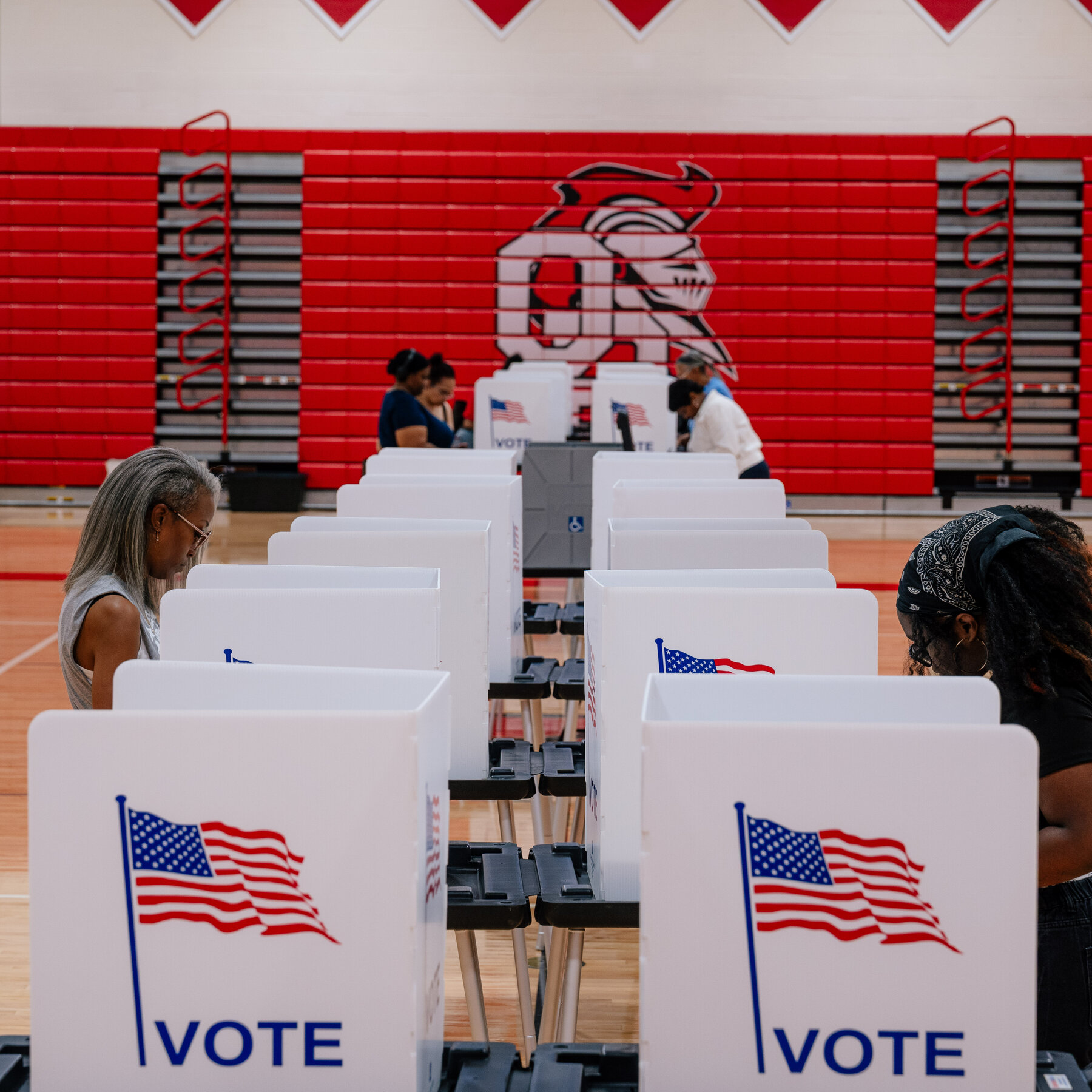
The recent Democratic Senate primary in Michigan illuminated a broad spectrum of voter concerns that extend well beyond traditional campaign issues. While economic challenges remain a dominant theme, Michiganders also voiced significant apprehensions about health care accessibility, the rapid expansion of data centers, and the escalating geopolitical tensions involving Israel and Iran. These diverse priorities reflect the multifaceted nature of the electorate’s mindset as they confront both local economic realities and the complexities of global affairs. Understanding these concerns provides crucial insight into the evolving political landscape in Michigan and the factors shaping voter decisions.
Economic Concerns Dominate Voter Priorities
Economic issues emerged as the foremost concern among Michigan voters participating in the Democratic Senate primary. Many voters highlighted worries about job security amid a changing economy, inflationary pressures affecting daily expenses, and uncertainty about the state's economic future. Michigan’s historical reliance on manufacturing and its ongoing economic transformation continue to influence voter sentiment, with many seeking candidates who can articulate clear strategies for economic stability and growth.
The influence of national economic policies, particularly those associated with former President Donald Trump, also factored into voter evaluations. Although the primary was a contest among Democrats, the legacy of Trump-era economic decisions shaped how voters assessed candidates’ platforms. Some voters expressed a desire for policies that would counteract perceived economic setbacks, while others focused on fostering resilience and innovation to adapt to new economic realities. This interplay between local economic concerns and national policy debates underscores the complexity of voter priorities in the state.
Additionally, voters expressed interest in how candidates plan to support emerging industries and technological innovation, which are seen as vital for Michigan’s economic future. There is a growing recognition that diversifying the economy beyond traditional sectors is essential to creating sustainable job opportunities and maintaining competitiveness in a rapidly evolving global market.
Health Care Remains a Critical Issue
Health care accessibility and affordability stood out as critical issues for many voters. Rising medical costs, challenges in securing comprehensive insurance coverage, and concerns about the overall quality of care were frequently cited. These concerns reflect broader national conversations but carry particular weight in Michigan, where health disparities and access issues persist in both urban and rural communities.
The lingering impact of the COVID-19 pandemic has heightened public awareness of the importance of a robust health care system. Voters expressed strong support for candidates who prioritize expanding access to health services, protecting and strengthening existing programs like Medicaid, and addressing systemic inequities in health care delivery. This emphasis on health care signals voters’ demand for legislative action that ensures both immediate relief and long-term improvements in the state’s health infrastructure.
Moreover, mental health services and support for vulnerable populations were also highlighted by voters as areas needing urgent attention. The pandemic underscored gaps in mental health care availability, prompting calls for integrated approaches that address both physical and mental well-being. Candidates who propose comprehensive health policies that encompass these dimensions are resonating with a broad segment of the electorate.
Data Centers Spark Local Debate
The expansion of data centers across Michigan emerged as a notable and somewhat contentious issue during the primary. These facilities, which support cloud computing and digital services, promise economic benefits such as job creation and increased technological investment. However, voters voiced mixed opinions about their broader impact.
Concerns centered on the significant energy consumption of data centers, their effects on local land use, and the strain they place on community infrastructure. Some voters worry that rapid development without adequate oversight could lead to environmental degradation and disrupt local ecosystems. This debate highlights the challenge of balancing economic development with sustainable community planning, a tension that candidates must navigate carefully to address voter concerns effectively.
Supporters argue that data centers can serve as catalysts for economic growth, attracting related industries and fostering innovation hubs. However, the environmental footprint, particularly in terms of electricity demand often sourced from fossil fuels, raises questions about long-term sustainability. Voters are increasingly attentive to how candidates propose to regulate these developments to ensure that economic gains do not come at the expense of environmental health and community well-being.
Foreign Policy and the War with Iran Influence Voter Sentiment
International affairs, particularly the conflict involving Israel and Iran, have become significant considerations for many Michigan voters. These global issues are increasingly influencing local electoral decisions, illustrating how domestic politics and foreign policy are deeply interconnected.
Voters expressed a range of perspectives on the United States’ role in these conflicts. Some advocated for diplomatic and peaceful solutions to reduce tensions and prevent further escalation, emphasizing the human and economic costs of war. Others underscored the importance of national security and the need for a strong stance against perceived threats. Candidates’ positions on these issues are gaining prominence as voters seek leaders who can adeptly manage complex international challenges while considering their implications for local communities and the nation at large.
This heightened attention to foreign policy reflects Michigan’s diverse population, including communities with strong connections to the Middle East. Voters are concerned about the potential impacts of international conflicts on regional stability, economic conditions, and the safety of American citizens abroad. As such, candidates who demonstrate nuanced understanding and balanced approaches to foreign policy are increasingly valued in the primary race.
What this means
The Michigan Democratic Senate primary underscored a complex and multifaceted voter landscape where economic concerns, health care, technological development, and foreign policy intersect. Voters are not only focused on immediate local issues but also deeply engaged with global events that impact their lives. For candidates seeking success in this environment, addressing this wide array of priorities with thoughtful, informed policies will be essential. As Michigan continues to navigate its economic transformation and the uncertainties of international relations, understanding and responding to these diverse voter concerns will be critical for political leaders aiming to effectively represent the state’s interests.
Source: What Was on the Minds of Michigan Voters? Many Cited the Economy and Trump. via www.nytimes.com.
This article was curated with AI assistance and reviewed according to Tamfis editorial settings.