
As temperatures rise, many reach for sandals to keep their feet cool and comfortable. Flip-flops, in particular, have long been a go-to choice for hot weather due to their ease of wear and breathability. However, concerns about the potential harm these minimalist shoes may cause to foot health have sparked debate. Are summer sandals really bad for your feet, or is the issue more nuanced? This article explores expert insights on the relationship between popular summer footwear and foot well-being, offering practical advice on selecting shoes that balance style with support.
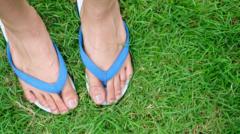
The Flip-Flop Phenomenon: Style Meets Controversy
Flip-flops have remained a perennial summer favorite, prized for their simplicity and ability to keep feet cool. Recently, fashion trends have refreshed this classic with variations such as kitten heels, which add a subtle lift while maintaining the easy slip-on design. Fashion expert Angela Baidoo highlights that these updated flip-flops offer a stylish yet practical option for warm weather. "It's not a high heel and it's really kind of easy to just slip in and slip out of," she notes.
Despite their popularity, flip-flops have attracted criticism for offering minimal arch and joint support. The thin, flat soles typical of many flip-flops provide little cushioning or stability, raising concerns about potential foot strain or injury. However, the blanket statement that flip-flops are inherently harmful is overly simplistic and does not consider variations in design and individual usage patterns.
Understanding the Foot Health Perspective
Podiatrist Dr. Helen Branthwaite, chief clinical adviser at the Royal College of Podiatry, clarifies that flip-flops themselves are not categorically bad for feet. The problem arises when individuals switch abruptly from well-structured shoes to wearing flip-flops extensively. This sudden change can place additional strain on the foot, increasing the risk of discomfort or injury.
Over time, wearing unsupported footwear may cause the foot to change shape, often leading to a splayed appearance. Dr. Branthwaite compares this to removing a corset after prolonged use — the foot muscles and ligaments may need time to adjust to the reduced support. "The foot does start to change shape and tends to splay a little bit over time," she explains.
Therefore, the key to foot health lies not in avoiding flip-flops entirely but in managing transitions between different types of footwear and choosing sandals that offer adequate support. This nuanced understanding helps dispel the myth that flip-flops are universally harmful and highlights the importance of gradual adaptation and proper shoe selection.
Supportive Sandal Alternatives for Summer Comfort
For those seeking both style and foot health, several sandal options provide improved support without sacrificing comfort. Baidoo recommends sturdier flip-flops like FitFlop, which feature contoured soles designed to support the arch and reduce strain. These are a world away from the flat and thin flip-flops often made from a single sheet of foam.
Beyond flip-flops, sliders and orthopedically designed shoes such as Crocs and Birkenstocks have gained popularity, especially among younger generations. While Crocs might be considered "anti-fashion shoes," they are "really comfy" and designed with orthopedic principles in mind, offering supportive footbeds that promote foot health.
Interestingly, wooden clogs are experiencing a resurgence. Known for their durability and support, clogs have long been favored by professionals who spend hours on their feet, such as doctors and chefs. Similarly, Scholl slider mules, originally designed as orthopedic footwear, offer another comfortable alternative. Baidoo reminisces about owning a pair in pink suede, underscoring their enduring appeal.
Wedges also present a viable option, particularly for those seeking a fashionable yet supportive shoe. Wedges provide consistent support along the sole and offer a flattering silhouette, especially appreciated by individuals in the plus-size category. "You've got the support all the way through the shoe," Baidoo explains, noting that wedges provide both comfort and style.
For a more classic and less casual look, fisherman-style sandals offer a stylish alternative to flip-flops. These sandals, reminiscent of 1970s fashion, can be paired with socks for a retro aesthetic and serve as a substitute for loafers in certain settings. Baidoo suggests men can wear them as an alternative to loafers, and women can adopt the style for a cool, versatile look.
The Minimalist Shoe Trend: Proceed with Caution
Minimalist or barefoot-style shoes have gained traction among some footwear enthusiasts who appreciate their lightweight design and natural foot movement. However, Dr. Branthwaite advises caution when adopting these shoes, emphasizing the importance of gradually increasing wear time.
Jumping into minimalist shoes without an adjustment period can lead to foot strain or injury, especially during activities like long hikes. "It's all about easing into them," she says. Easing into these shoes allows the foot muscles and tendons to strengthen and adapt, reducing the risk of problems. This approach helps prevent overloading the foot with sudden changes in support and encourages healthier foot mechanics over time.
Expert Tips for Maintaining Healthy Feet in Summer
Dr. Branthwaite offers practical advice to help individuals care for their feet during warmer months:
1. Examine the sole material of your footwear, as it influences foot movement and walking mechanics. Shoes that bend too easily may not provide sufficient support. "If you can bend your flip-flops in two, then ask yourself if you're strong enough to take on the extra load your normal shoe would support," she advises.
2. Assess whether your feet can handle the reduced support of certain sandals, especially if transitioning from structured shoes.
3. Monitor your feet’s condition regularly. Open footwear can cause skin to dry out quickly, leading to hardened heels and fragile toenails. You might not notice these changes until the damage is more advanced.
4. Use moisturizing creams containing urea daily to maintain skin hydration and prevent dryness. Emollients help retain water in the skin, keeping feet soft and healthy.
5. Recognize that foot size and shape can change over time. Regularly measuring your feet ensures you wear the correct shoe size, which is vital for comfort and health. "Just because you start out being a size 6, doesn't mean you'll remain a size 6," Dr. Branthwaite reminds us.
These tips highlight the importance of attentive foot care, especially when wearing open or minimalist footwear during the summer months.
What this means
Summer sandals offer a convenient and stylish way to keep feet cool, but not all options are created equal when it comes to foot health. Rather than dismissing flip-flops outright, it is important to understand how different footwear choices impact foot structure and comfort. By selecting sandals that provide adequate support and gradually adjusting to less structured shoes, individuals can enjoy the benefits of summer footwear without compromising their foot well-being. Coupled with attentive foot care, these strategies help ensure that your feet stay healthy and comfortable throughout the warmer months.
Source: Are summer sandals killing your feet? via www.bbc.co.uk.
This article was curated with AI assistance and reviewed according to Tamfis editorial settings.