
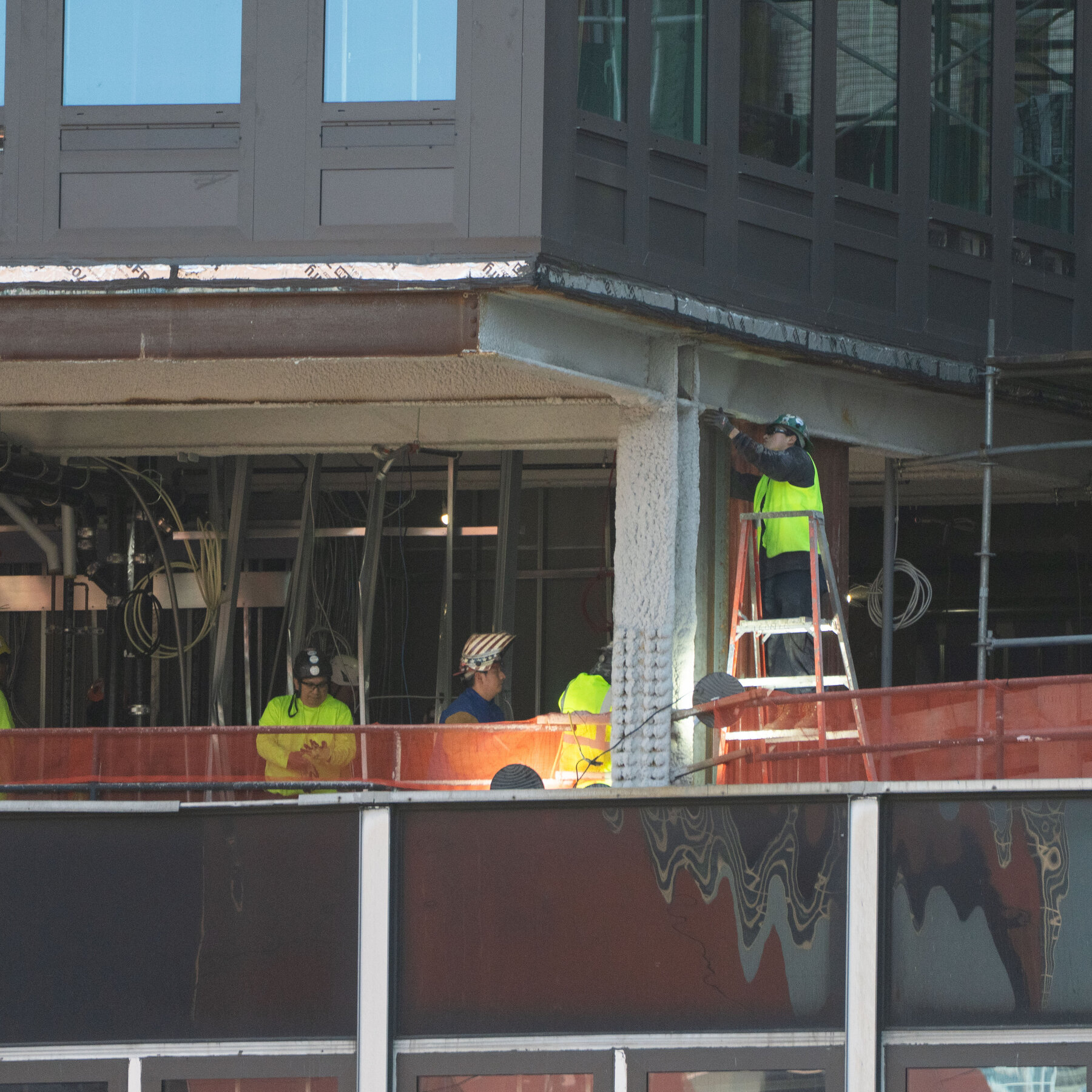
In the wake of a structural incident at a prominent Midtown Manhattan high-rise where two steel beams buckled, New York City authorities launched a comprehensive inspection campaign targeting construction sites throughout the city. These inspections uncovered a significant number of violations, though officials emphasized that none of the issues identified presented an immediate risk to public safety. This development sheds light on the complexities of urban construction oversight and raises important questions about regulatory enforcement and building safety standards in one of the nation’s most densely built environments.
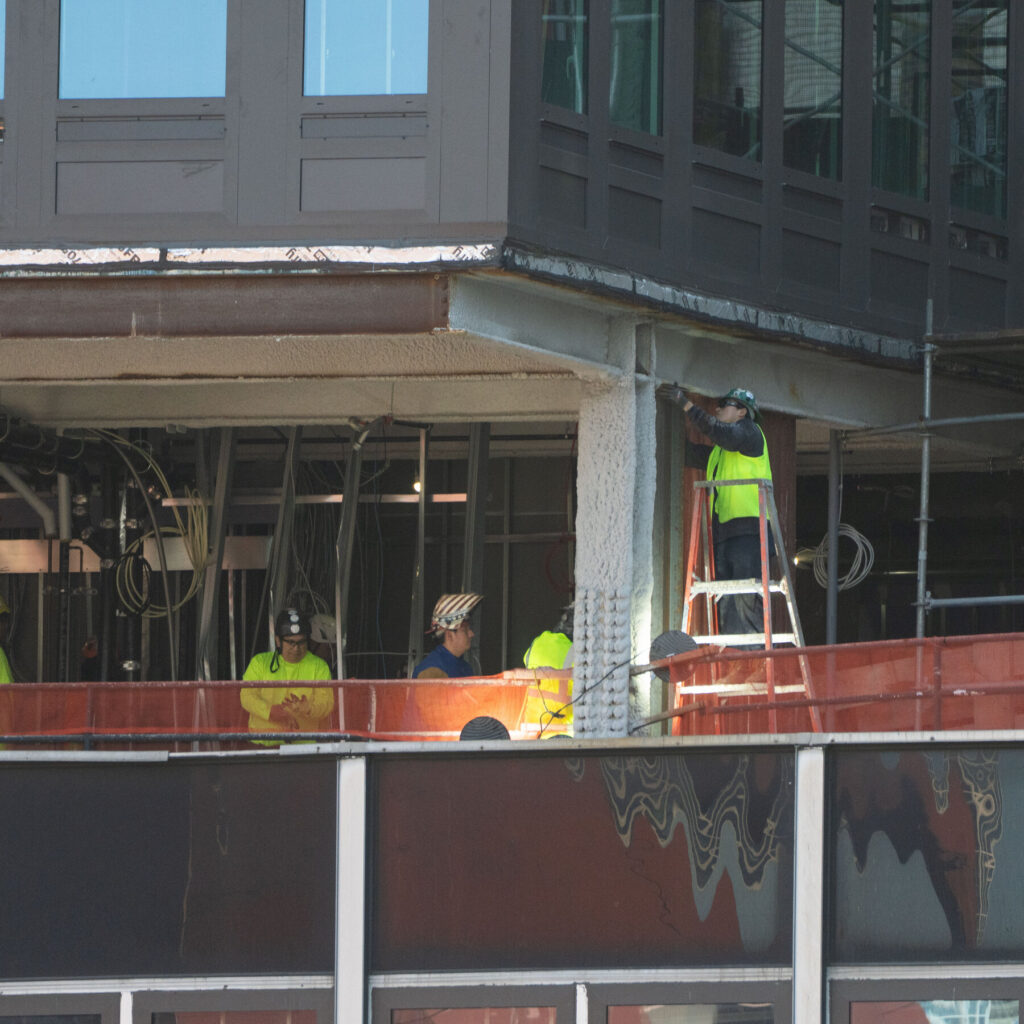
The Midtown Incident That Sparked Citywide Inspections
Last month, a high-rise building in Midtown Manhattan experienced a structural failure when two steel beams unexpectedly buckled. This alarming event immediately raised concerns among city officials, construction professionals, and the public, given the potential severity of such failures in densely populated urban areas where structural integrity is paramount to safety.
In response to this incident, the New York City Department of Buildings (DOB) swiftly initiated a series of inspections at dozens of construction sites across the city. The primary objective was to determine whether similar structural vulnerabilities existed elsewhere and to verify that all ongoing projects complied with established safety regulations. This proactive approach aimed to prevent any recurrence of such incidents and to reassure the public about the safety of the city’s built environment.
Scope and Findings of the Inspections
The inspection campaign covered a wide variety of construction projects, including residential conversions, new high-rise developments, and structural renovations. This broad scope was designed to provide a comprehensive assessment of the city's construction safety landscape and to identify any systemic issues that might exist across different types of projects.
During these evaluations, numerous violations were identified. However, city officials were quick to clarify that none of these infractions posed an immediate danger to the public. The violations ranged from minor procedural lapses, such as incomplete documentation and delayed filings, to issues involving adherence to building codes and permit requirements.
Importantly, the DOB emphasized that the majority of these problems were administrative or technical rather than structural threats. This distinction is crucial in reassuring residents and stakeholders that, despite regulatory breaches, the city’s infrastructure remains fundamentally safe. The findings highlight that while compliance issues are prevalent, they do not necessarily translate into immediate physical hazards.
Understanding Building Violations in a Complex Urban Environment
Building violations are not uncommon in a metropolis as large and complex as New York City, where construction and renovation projects are continually underway. These violations can arise from a variety of factors, including miscommunication among contractors, delays in paperwork processing, or misunderstandings of evolving building code requirements.
While many violations are procedural, some have the potential to escalate if left unaddressed, potentially compromising structural integrity or safety. Therefore, timely inspections and enforcement actions are essential components of effective urban construction management. The city’s ongoing challenge is to identify which violations require immediate remediation and which can be addressed through administrative processes.
The recent inspections underscore the importance of continuous oversight and highlight the challenges regulatory bodies face in balancing the demands of rapid urban development with the imperative of safety compliance. Given the scale and pace of construction in New York City, maintaining up-to-date knowledge and swift response capabilities is critical for regulators.
Implications for Construction Oversight and Public Safety
The discovery of widespread violations following the Midtown steel beam incident has reignited discussions about the adequacy of construction oversight in New York City. City officials, construction companies, and residents alike are closely monitoring how the DOB manages enforcement and remediation efforts moving forward.
Although the city’s assurance that no immediate public danger exists is reassuring, the prevalence of violations underscores the necessity for ongoing vigilance. It also prompts critical evaluation of whether current inspection protocols and enforcement mechanisms are sufficient to prevent similar incidents before they occur.
Experts in the field suggest that enhanced transparency, improved communication between regulatory agencies and contractors, and increased frequency of inspections could collectively strengthen safety outcomes and reduce the risk of future structural failures. Such measures may include adopting advanced monitoring technologies and more rigorous training for inspectors to better identify potential risks early.
Balancing Development and Safety in New York City
New York City’s rapid growth and the escalating demand for new housing and commercial spaces exert significant pressure on construction timelines and regulatory compliance. Developers and contractors frequently operate under tight schedules and budget constraints, which can inadvertently lead to oversights or procedural shortcuts.
City regulators face the complex challenge of facilitating this development while ensuring that stringent safety standards are rigorously upheld. The recent inspections serve as a timely reminder that even minor violations require prompt attention to prevent escalation into more serious safety concerns.
Moreover, public awareness and engagement play a vital role in holding all parties accountable and fostering a culture of safety within the urban construction sector. Encouraging community involvement and transparent reporting can help maintain high standards and protect residents and workers alike. Collaborative efforts between government agencies, industry stakeholders, and community groups are essential to achieving this balance.
What this means
The recent steel beam failure in Midtown Manhattan and the subsequent citywide inspections have brought to light the ongoing challenges of ensuring building safety in a rapidly developing urban environment. While the violations uncovered do not currently endanger the public, they emphasize the need for vigilant oversight and proactive enforcement. As New York City continues to grow and evolve, maintaining a robust regulatory framework that supports both development and safety will be essential. Stakeholders—including city officials, construction professionals, and the public—must collaborate to address violations promptly and foster a culture of compliance that protects residents and workers alike.
Source: After Midtown Building Buckles, Violations Are Found at Many Other Sites via www.nytimes.com.
This article was curated with AI assistance and reviewed according to Tamfis editorial settings.