
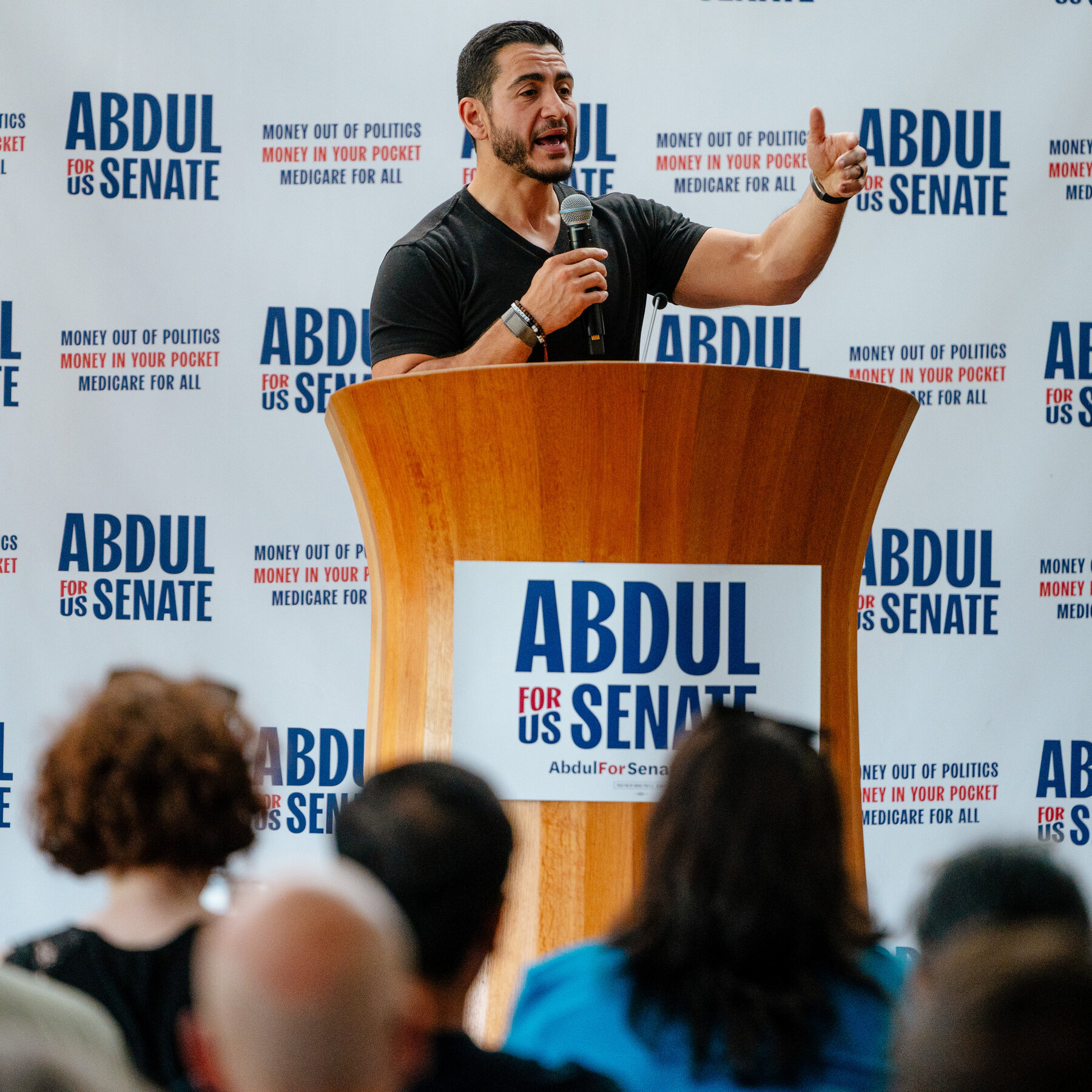
The progressive left in America has seen notable electoral successes, predominantly in urban centers characterized by high education levels and strong Democratic support. This concentration raises questions about the movement’s ability to impact broader national politics. However, pivotal races in Michigan and Wisconsin suggest the progressive agenda might be gaining traction in more diverse and politically competitive regions. Understanding these developments is key to grasping the future trajectory of progressive politics and its potential to reshape political dynamics beyond urban strongholds.
Urban Dominance: The Progressive Left’s Current Stronghold
The progressive left’s victories have largely been confined to metropolitan areas with younger, more educated, and reliably Democratic voters. Cities like New York, San Francisco, and Boston serve as strongholds for candidates advocating expanded healthcare, environmental reforms, and social justice initiatives.
This urban concentration reflects demographic realities: higher education correlates with support for progressive policies, and urban environments foster diverse coalitions aligned with left-leaning ideals. These cities provide fertile ground for progressive ideas, supported by populations open to change and reform.
However, this pattern reveals a limitation. Outside urban hubs, progressives struggle to gain comparable support, especially in suburban and rural areas where political attitudes vary and often lean conservative. This geographic confinement restricts the movement’s influence on statewide and national outcomes, emphasizing the need to expand beyond urban centers.
Challenges in Expanding Beyond Urban Areas
Broadening appeal beyond cities presents structural and cultural challenges. Suburban and rural voters often prioritize issues like economic stability, gun rights, and local governance, which may not align with progressive platforms focused on systemic change.
Progressive messaging that resonates in urban contexts can alienate voters in less populated regions. For instance, stances on environmental regulations or social policies might seem disconnected from the economic realities and cultural values of non-urban communities.
Additionally, swing states remain politically competitive, with moderate Democrats and Republicans vying for influence. Progressive candidates face resistance not only from opponents but also from within their party, where centrists may be favored to appeal to a broader electorate. This intra-party tension complicates efforts to build a cohesive progressive coalition capable of winning in diverse regions.
Michigan and Wisconsin: Potential Turning Points
Two races in Michigan and Wisconsin are drawing national attention as potential breakthroughs for the progressive left beyond urban strongholds. Both states have histories of political volatility and closely contested elections, making them critical battlegrounds.
In Michigan, progressives are gaining ground by focusing on economic issues that resonate with working-class voters, such as job creation, labor rights, and infrastructure investment. Linking these concerns with broader themes like healthcare access and climate action helps bridge divides between urban and non-urban constituencies.
Similarly, Wisconsin is witnessing a gradual embrace of progressive ideas, especially in suburban districts becoming more diverse and politically fluid. Success here depends on addressing local priorities while maintaining a coherent vision for systemic change. These races demonstrate how tailoring progressive messages to local contexts can expand the movement’s reach beyond its urban base.
The significance of these contests extends beyond immediate outcomes; they could redefine the geographic and demographic boundaries of progressive influence. Success here may serve as a model for similar strategies in other swing states and regions traditionally resistant to progressive platforms.
Implications for National Politics
Victories in Michigan and Wisconsin could mark a pivotal shift in American politics by enabling progressives to influence state legislatures and congressional delegations in key swing states, shaping national policy debates and legislative agendas.
Such expansion might pressure the Democratic Party to integrate more progressive policies into their platforms, potentially altering the party’s ideological balance and strategic priorities. This could lead to a more unified and energized base capable of mobilizing diverse constituencies across urban, suburban, and rural areas.
However, rapid expansion carries risks. Without careful coalition-building and attention to local concerns, progressives may be seen as disconnected from non-urban voters, risking electoral setbacks. Balancing ambitious goals with pragmatic outreach is critical to sustaining gains and avoiding alienation.
Therefore, outcomes in Michigan and Wisconsin will be closely watched as indicators of the progressive left’s ability to adapt within a complex and polarized political environment. Their success or failure could influence strategic decisions nationwide and shape the broader debate on American progressivism’s future direction.
Strategies for Broader Progressive Success
To expand beyond urban successes, progressive leaders must refine messaging to resonate with a wider, more diverse electorate. Emphasizing economic security, healthcare affordability, and education access—issues cutting across geographic and demographic lines—can bridge divides and appeal to suburban and rural voters.
Cultivating local leadership and engaging community organizations enhances credibility and responsiveness, showing commitment to local needs rather than imposing a one-size-fits-all agenda.
Tailoring policies to reflect unique local circumstances is critical. Addressing infrastructure needs in post-industrial towns or supporting small businesses in suburban areas complements broader progressive goals while respecting local priorities.
Fostering alliances with moderate Democrats and other progressive groups can create a unified front capable of overcoming electoral challenges. Inclusive coalitions accommodating varying perspectives strengthen appeal and effectiveness in competitive districts.
These strategies highlight the importance of adaptability and collaboration in expanding the progressive left’s reach beyond traditional urban bases.
What this means
The progressive left’s current urban stronghold reflects demographic realities and political strategy. Yet, emerging contests in Michigan and Wisconsin offer a glimpse of how progressive politics might transcend these boundaries and gain traction in more diverse, competitive environments. Achieving broader influence requires nuanced approaches addressing local concerns and building inclusive coalitions. As these races unfold, they will provide valuable insights into the evolving nature of progressive politics and its potential to shape America’s political future. Success in these battleground states could herald a new phase of engagement where progressive ideas resonate beyond urban enclaves, contributing to a more dynamic and representative political landscape.
Source: How Well Is the Progressive Left Actually Doing? via www.nytimes.com.
This article was curated with AI assistance and reviewed according to Tamfis editorial settings.